
Cracking the Code: How to Price Your San Francisco Property
In San Francisco's competitive real estate market, pricing your property accurately is crucial for a successful sale. A well-priced property attracts more interest, generates faster offers, and ultimately helps you achieve your desired selling price. In this blog post, we'll explore the importance of effectively pricing your San Francisco property and provide valuable tips to guide you through the process.
Before setting a price, it's essential to have a thorough understanding of the local real estate market. Research recent sales of comparable properties in your neighborhood to gauge current market trends. Consider factors like:
Overpricing: Setting a price too high can deter potential buyers and lead to a longer selling time. It may also force you to negotiate significant price reductions later on.
Underpricing: While underpricing can attract more interest initially, it may result in selling your property for less than its true value. It's important to strike a balance between attracting buyers and maximizing your profit.
Competitive Pricing: The goal is to price your property competitively within the market. This means setting a price that is in line with similar properties in your neighborhood, while also considering any unique features or advantages your home may have.
A local real estate agent can provide invaluable assistance in pricing your property, especially in a market as dynamic as the Bay area. Here’s why:
Real estate agents possess an in-depth understanding of the local market, including recent sales, trends, and buyer preferences. This expertise enables them to accurately assess your property's value and identify potential buyers. They can conduct a thorough analysis of comparable properties in your neighborhood to determine a competitive asking price. This data-driven approach ensures that your property is priced appropriately for the market.
The role of real estate agents is to represent your best interests throughout the selling process. They have experience negotiating with buyers, agents, and other parties involved in the transaction. Therefore, they can help you develop effective negotiation strategies, anticipate buyer behavior, and identify potential deal-breakers. Their expertise can help you secure the best possible price for your property.
In today’s market, a good real estate agent must know how to effectively promote a property with the help of a wide range of marketing tools and resources. These may include professional photography, online listings, social media marketing, and open houses. By utilizing efficient marketing strategies, an agent can attract qualified buyers and generate interest in your property. This can lead to a faster sale and a higher selling price.
Real estate agents provide valuable guidance and support throughout the selling process. They can answer your questions, address your concerns, and help you navigate the complexities of real estate transactions, alleviating the stress and uncertainty associated with selling a property. They can handle many of the administrative tasks, allowing you to focus on other important matters.
Pricing your San Francisco property effectively is a strategic decision that can significantly impact your selling success. By understanding the local market, considering relevant factors, and working with a qualified real estate agent, you can set a price that attracts buyers, generates interest, and helps you achieve your desired selling price. Remember, a well-priced property is more likely to sell quickly and for a higher price.
Stay up to date on the latest real estate trends.
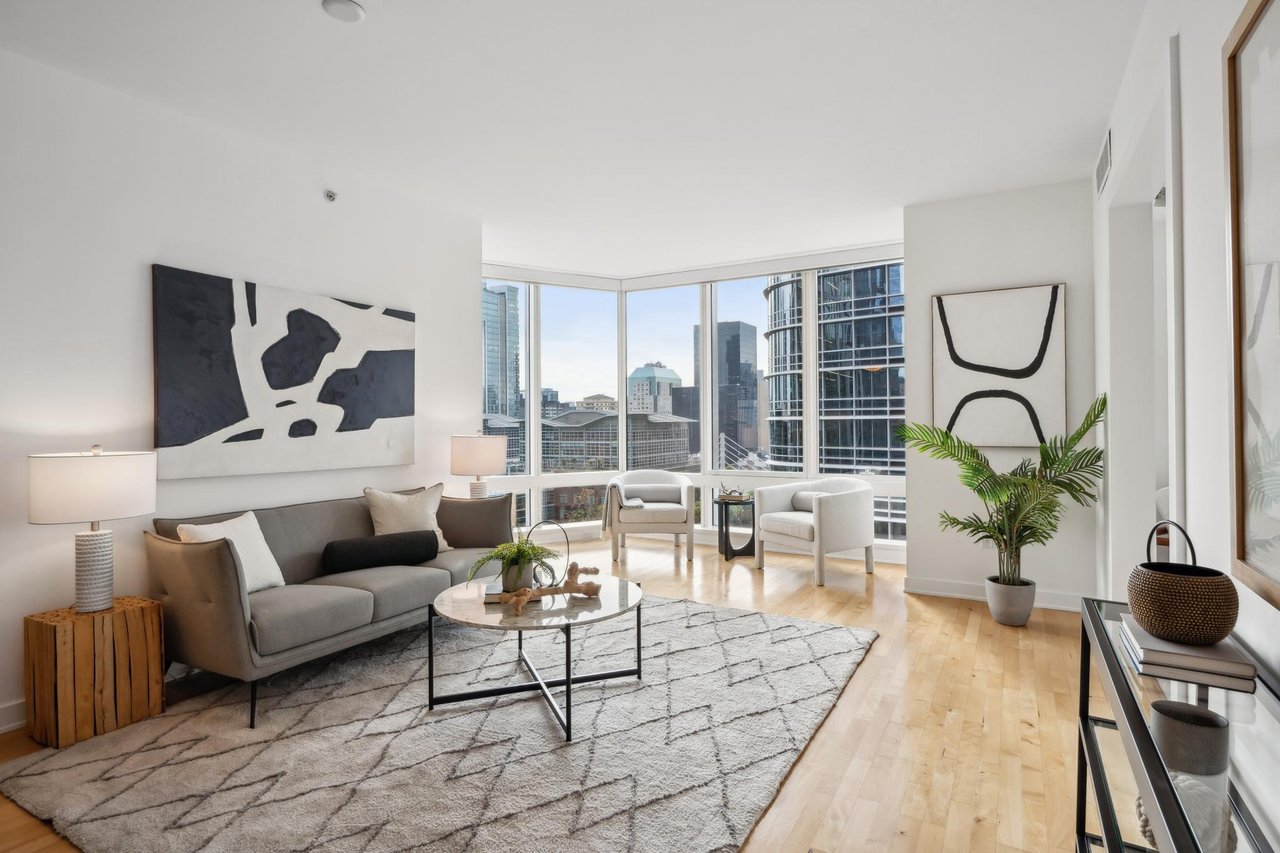
The asking price was never the value. It was the strategy.
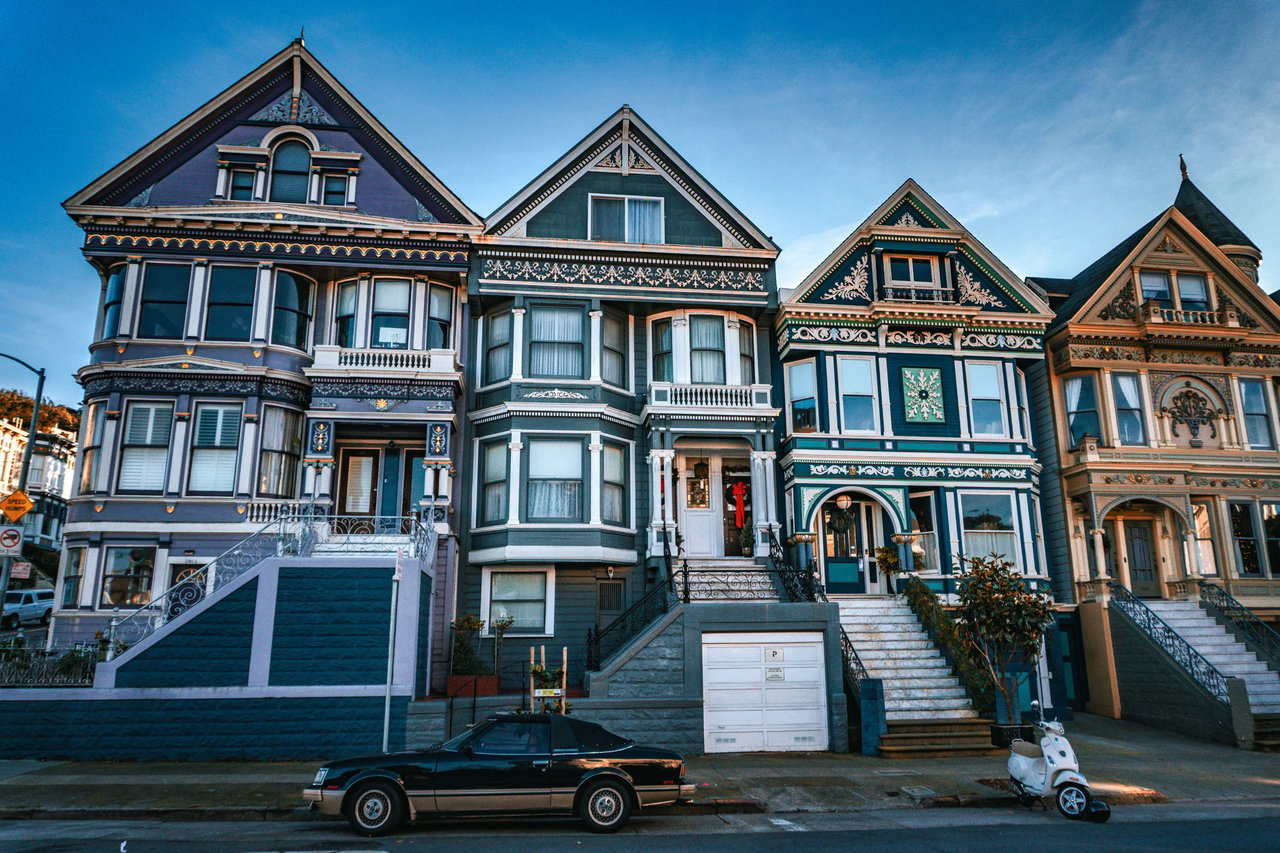
The smartest due diligence in San Francisco real estate starts a century before the listing.

Two extraordinary homes, the same money, and no obvious answer. The question I ask buyers is not which one they prefer. It is which one they will never get another sho… Read more
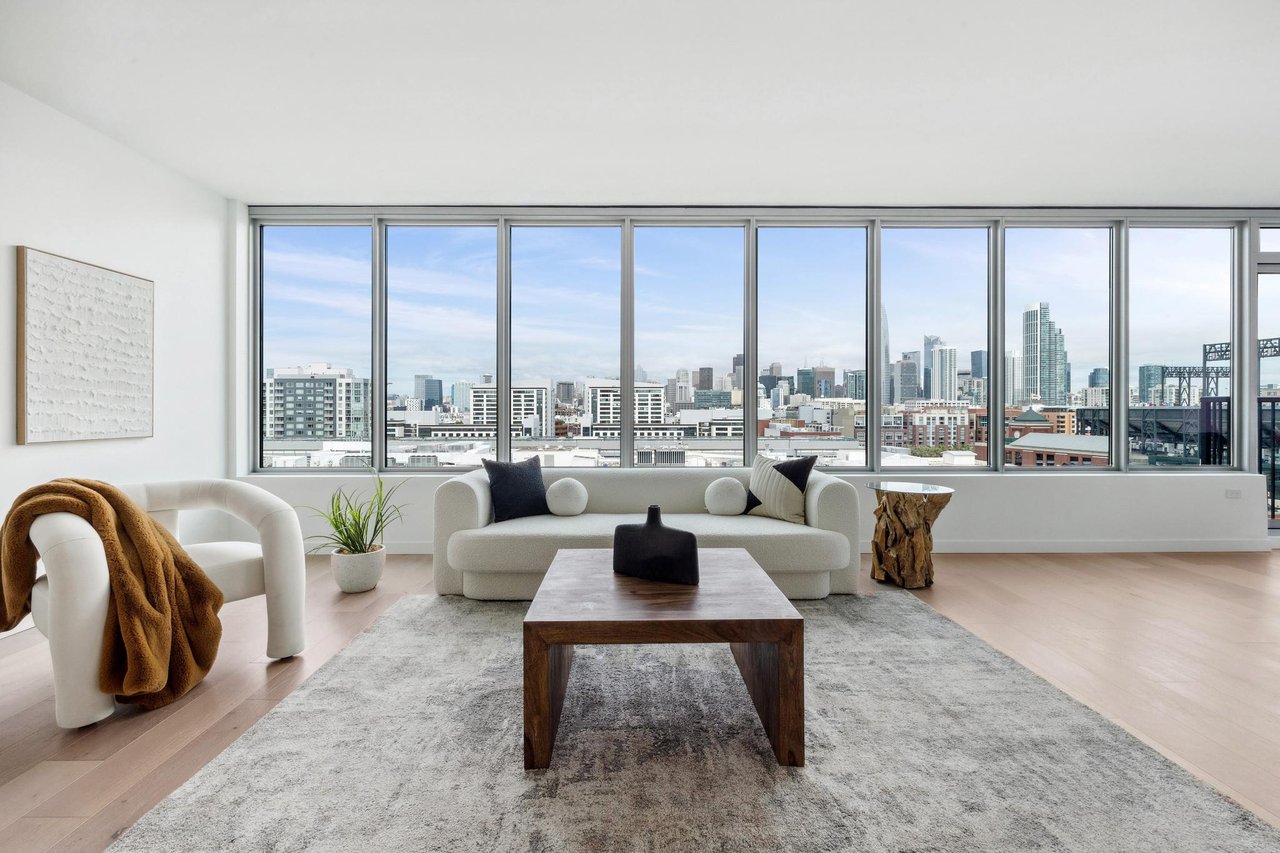
Price per square foot is the number most sellers glance at and almost no one reads correctly. It measures your address, not your house.

A renovation can change almost everything about a house. It can change nothing about what sits outside the front door. How to read permanence across San Francisco.

San Francisco is still building. That is not what makes the finest homes scarce. The scarcity is happening in how fast the existing ones are absorbed.
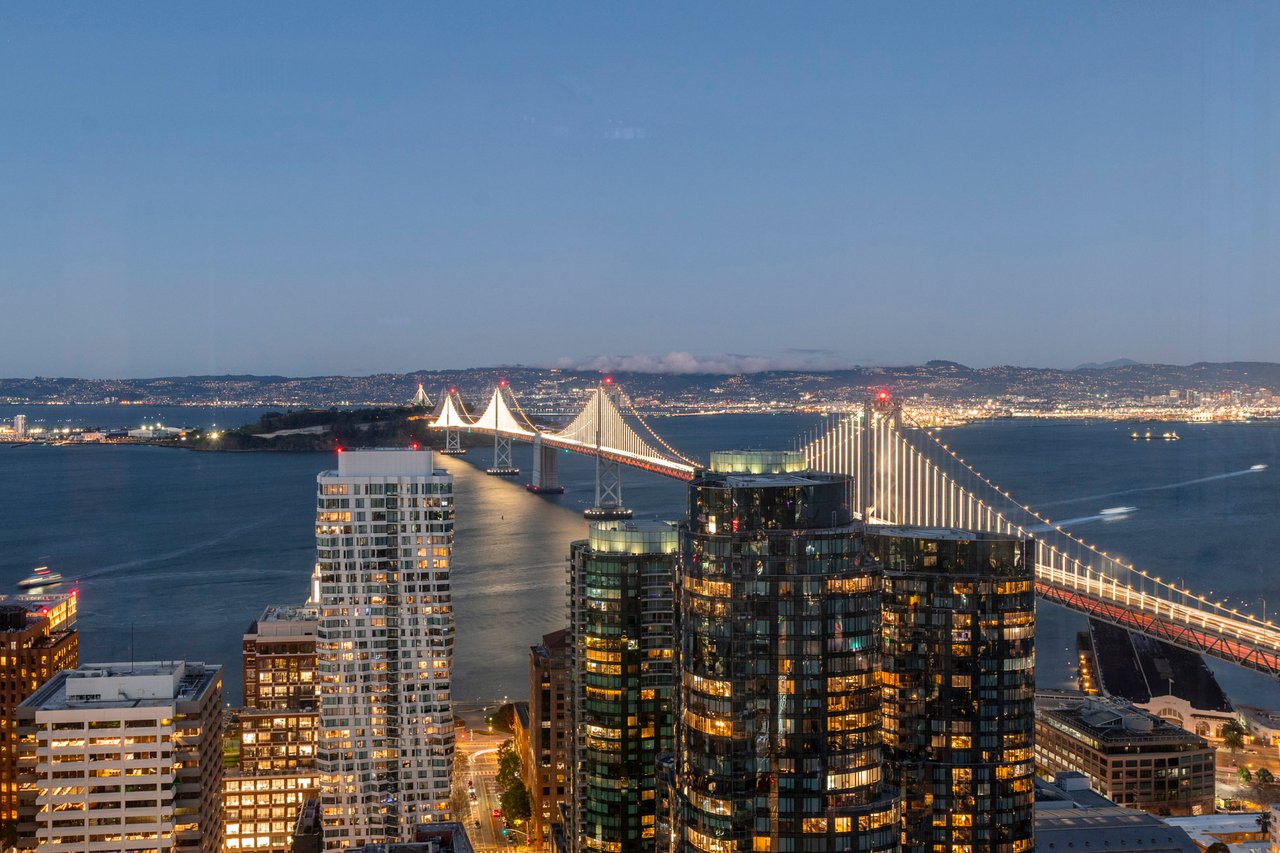
Two homes, the same price, one with the view of a lifetime, one with the room to live. Here’s the framework I use to help a buyer choose, and what people actually regr… Read more

In a market this fast, days on market tells you more about your leverage than the asking price ever will, if you know how to read it.
The signals that tell you where a neighborhood is headed are the ones a listing never shows. Here’s how to read them.
Maximize Your Real Estate Potential
