Leave a Message

Thank you for your message. We will be in touch with you shortly.

Investing in Short-Term Rentals vs Long-Term Leases in San Francisco

San Francisco’s real estate market offers unique opportunities for investors, but one of the most critical decisions is whether to pursue short-term rentals or long-term leases. Each path comes with its own advantages and challenges, and factors like neighborhood dynamics, regulations, and personal goals play a big role in determining the right fit.

Short-Term Rentals

Short-term rentals - commonly listed on platforms like Airbnb or Vrbo - cater to tourists and business travelers. With San Francisco’s reputation as a world-class destination, the potential upside can be significant.

Pros:

  • Higher Income Potential: Properties in high-demand areas such as SoMa, South Beach, and Fisherman’s Wharf often command premium nightly rates that can surpass the monthly returns of traditional leases when occupancy is strong.
  • Flexibility in Pricing: Unlike long-term leases, short-term rentals allow owners to adjust nightly rates based on seasonality, local demand, and special events. Major conferences, festivals, or Giants baseball games can significantly boost revenue during peak periods.
  • Personal Use: Owners can block out certain dates for their own stays, enjoying the property as a vacation home. This creates a hybrid benefit of both personal enjoyment and income generation.

Cons:

  • Management Intensive: Operating a short-term rental requires frequent guest communication, cleaning, and property upkeep. Without hiring a management company, this can become time-intensive and stressful for owners.
  • Regulatory Challenges: San Francisco enforces strict rules for short-term rentals, including registration requirements, annual limits, and local taxes. Compliance is mandatory, and violations can lead to fines or loss of rental privileges.
  • Income Fluctuations: Unlike long-term leases that provide steady cash flow, short-term rental income is inconsistent. Earnings fluctuate with market competition, seasonal shifts, and broader economic conditions that affect travel.

Long-Term Leases

Long-term leases involve renting to tenants for extended periods (typically 12 months or more). This strategy provides predictability and suits investors seeking lower management intensity.

Pros:

  • Stable Income: Leasing to long-term tenants in residential neighborhoods such as Noe Valley, Bernal Heights, the Sunset District, and the Richmond District provides reliable monthly income. This consistency appeals to investors who prioritize financial stability.
  • Lower Management Needs: With tenants in place for a year or longer, the need for constant turnover, marketing, or guest coordination is minimal. Owners can focus primarily on routine maintenance and occasional communication.
  • Shared Responsibility: Long-term tenants usually take on utility payments and minor upkeep, reducing the landlord’s ongoing obligations. This arrangement lowers both costs and time commitments for the owner.

Cons:

  • Lower Income Potential: Fixed monthly rent from a long-term lease is often less than what a short-term rental could earn during busy seasons. This limits upside potential, particularly in high-demand neighborhoods.
  • Reduced Flexibility: Owners are bound by lease agreements and cannot easily reclaim the property for personal use or quickly sell it without navigating tenant protections. This limits adaptability.
  • Tenant Risks: Even with screening, issues like late payments, disputes, or property damage can occur. Resolving these problems can be time-consuming and may require legal action.

Key Considerations

When deciding which approach fits best, keep these factors in mind:

  • Neighborhood and Location: Short-term rentals thrive in business and tourist hubs like SoMa, and South Beach, and Fisherman’s Wharf while long-term leases perform best in family-friendly residential districts like Noe Valley, Bernal Heights, and the Sunset.
  • Regulatory Compliance: San Francisco enforces detailed regulations on both rental types. Ensuring compliance is essential to avoid penalties and legal complications.
  • Management Capacity: Short-term rentals demand hands-on involvement or professional managers. Long-term leases require less active oversight but still come with landlord responsibilities.
  • Financial Goals: Short-term rentals may maximize returns but with greater uncertainty, while long-term leases prioritize steady, predictable cash flow. Choose the model that best matches your investment objectives.

Hybrid Approach

Some investors adopt a hybrid strategy, combining both models. For example, a condo in the East Cut might be leased to long-term tenants during slower months and converted to a short-term rental during peak tourism or convention seasons. While this approach balances income potential with stability, it requires careful planning, strict attention to regulations, and strong management capacity.


Choosing between short-term rentals and long-term leases in San Francisco comes down to your goals, risk tolerance, and ability to manage the property. Both strategies can be profitable when aligned with the city’s unique market dynamics and regulatory framework.


Recent Blog Posts

Stay up to date on the latest real estate trends.

Colorful Victorian houses with ornate trim and steep gabled roofs on a San Francisco street.
What a Neighborhood's Past Tells You About Its Price

The smartest due diligence in San Francisco real estate starts a century before the listing.

High-rise living room with a red sectional sofa and floor-to-ceiling city views.
Choosing Between Two Homes: SF Luxury Buyer Guide

Two extraordinary homes, the same money, and no obvious answer. The question I ask buyers is not which one they prefer. It is which one they will never get another sho… Read more
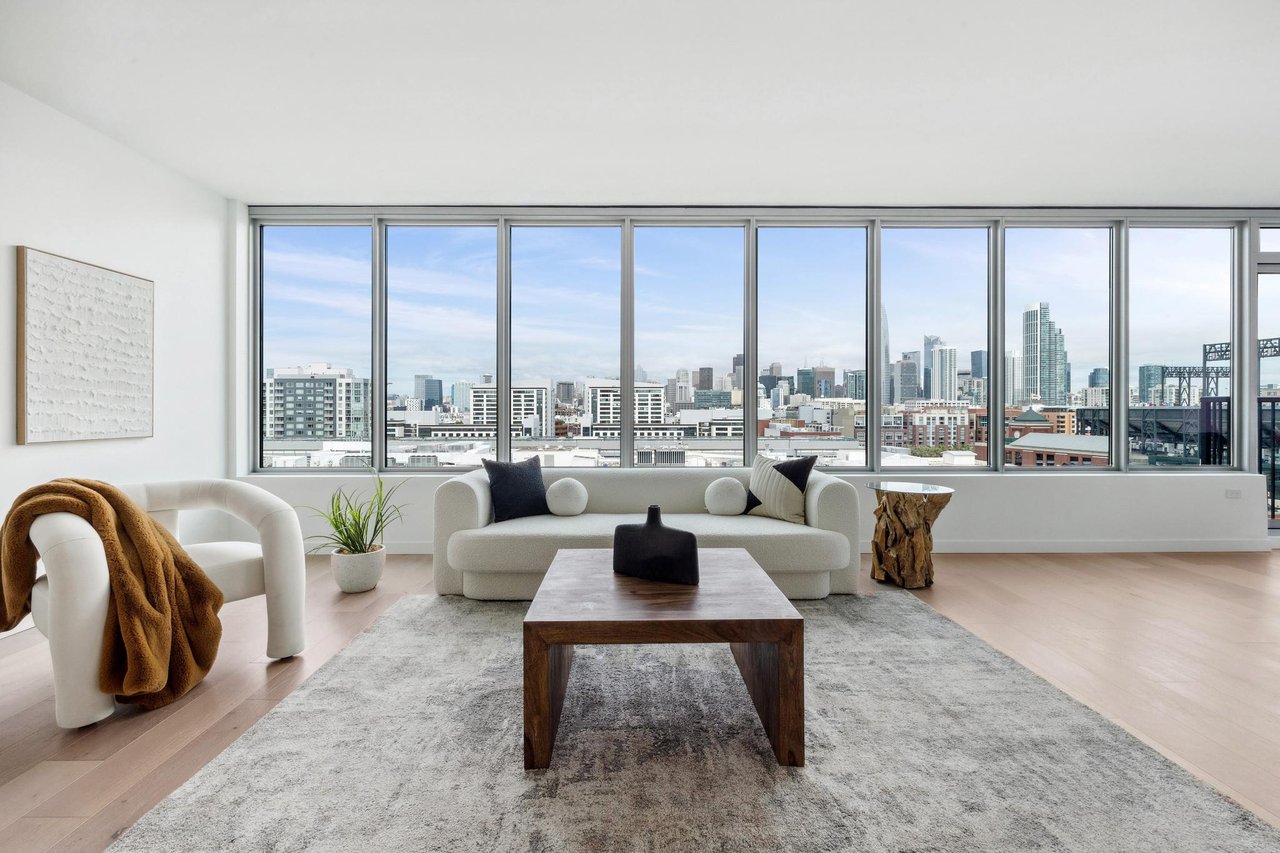
Modern living room with floor-to-ceiling windows overlooking a city skyline and bridge.
San Francisco Price Per Square Foot: A Seller's Guide

Price per square foot is the number most sellers glance at and almost no one reads correctly. It measures your address, not your house.

Golden Gate Bridge rising through fog behind a green field and red-roofed building
Location vs Renovation: Buying Luxury Homes in SF

A renovation can change almost everything about a house. It can change nothing about what sits outside the front door. How to read permanence across San Francisco.

San Francisco skyline with a rounded glass tower rising above downtown.
Why San Francisco Luxury Homes Are Getting Rarer

San Francisco is still building. That is not what makes the finest homes scarce. The scarcity is happening in how fast the existing ones are absorbed.

San Francisco skyline and illuminated Bay Bridge at dusk, viewed across the bay.
The View or the Square Footage: How to Choose When You Can’t Have Both

Two homes, the same price, one with the view of a lifetime, one with the room to live. Here’s the framework I use to help a buyer choose, and what people actually regr… Read more

Bright condo living room with a large sectional and floor-to-ceiling windows overlooking the Bay Bridge.
The Number Every Seller Should Be Watching (It Isn’t the Price)

In a market this fast, days on market tells you more about your leverage than the asking price ever will, if you know how to read it.
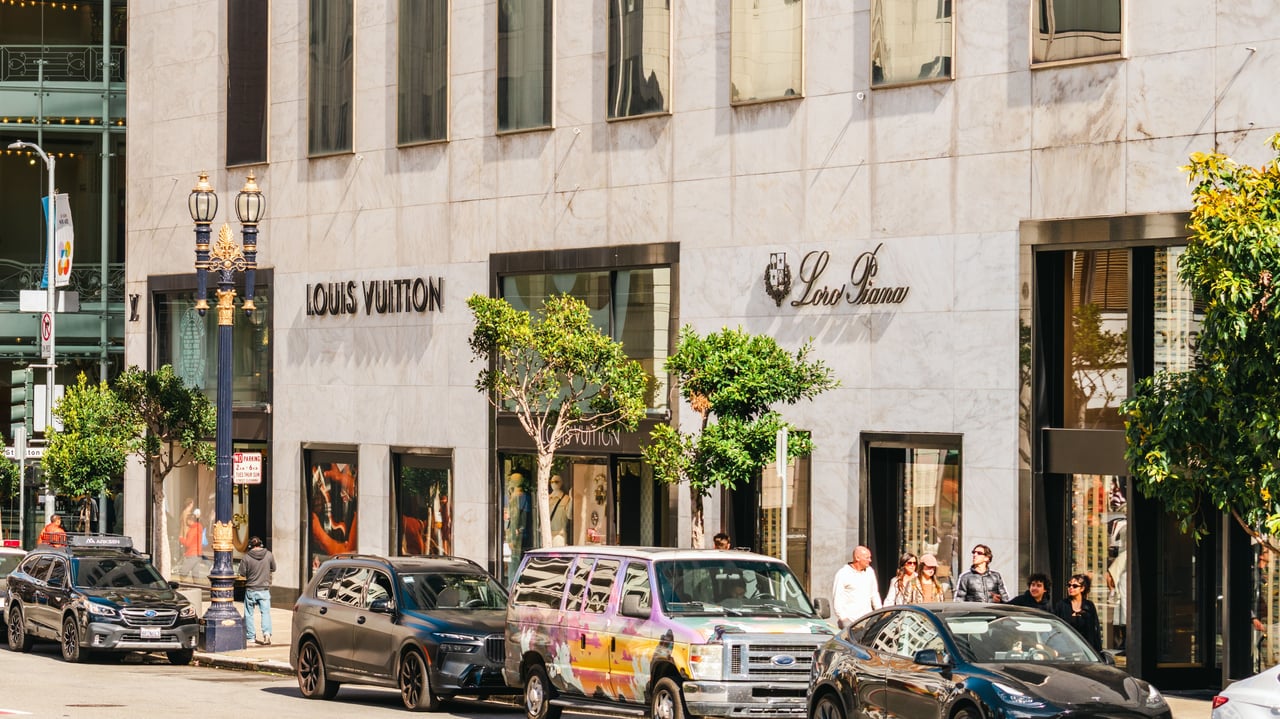
Luxury retail storefronts with Louis Vuitton and Loro Piana signs on a sunny city street.
The Signals a Listing Never Shows: How to Read a San Francisco Neighborhood

The signals that tell you where a neighborhood is headed are the ones a listing never shows. Here’s how to read them.
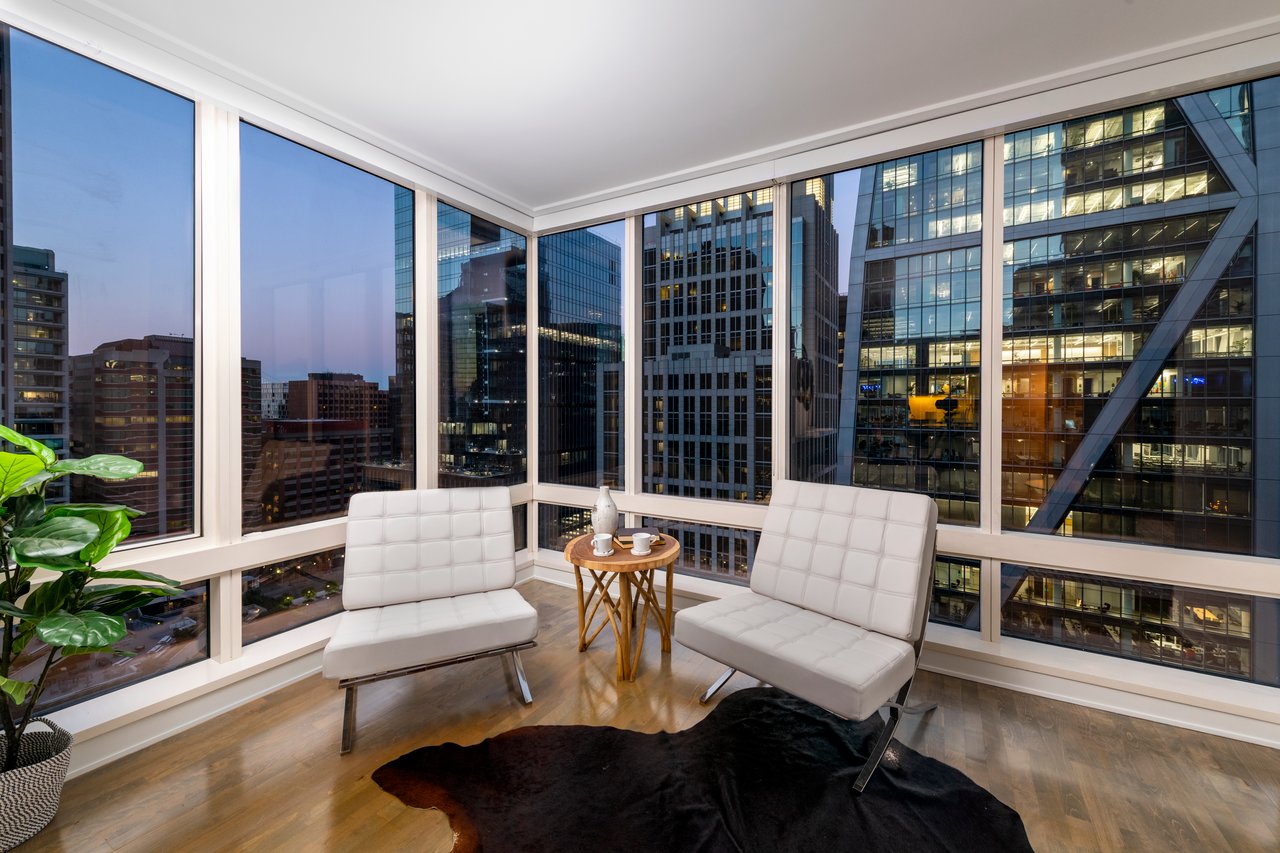
High-rise sitting area with white sofas and floor-to-ceiling windows overlooking a city skyline at dusk.
The List Price Is a Starting Line, Not the Price

In today’s San Francisco market, the number on the listing was never the real number. Here’s how to read what a home will actually take.

Let's Connect

Maximize Your Real Estate Potential