
Off-Market Listings in San Francisco
The most sought-after properties in San Francisco are often never listed publicly. If you don't know how to access them, you may never know they existed.
In any competitive real estate market, the most sophisticated buyers and sellers operate with a significant advantage: access to transactions that never appear on the public market.
Off-market listings are not a secret category. They are not a loophole. They are a natural result of how high-level real estate relationships function — and in San Francisco, where inventory is consistently limited and the buyer pool for luxury properties is deep but narrow, they represent a meaningful portion of activity that most buyers never see.
Understanding how off-market listings work, and why they matter, is essential for anyone participating in San Francisco's luxury real estate market at a serious level.
An off-market listing is a property available for sale that has not been entered into the Multiple Listing Service, or MLS. The MLS is the shared database that feeds most public search platforms — Zillow, Redfin, Realtor.com, and others. When a property bypasses this system, it becomes invisible to anyone who is not connected to the right network.
Off-market transactions happen for a variety of reasons. Some sellers prioritize privacy and do not want their home photographed, publicly marketed, or open for tours before a deal is reached. Others are testing buyer interest before committing to a full public campaign. Some properties are sold between an agent's existing buyer and seller relationships before a listing is ever formally prepared.
In each case, the transaction is real, the prices are real, and the outcomes are often highly favorable — for both sides.
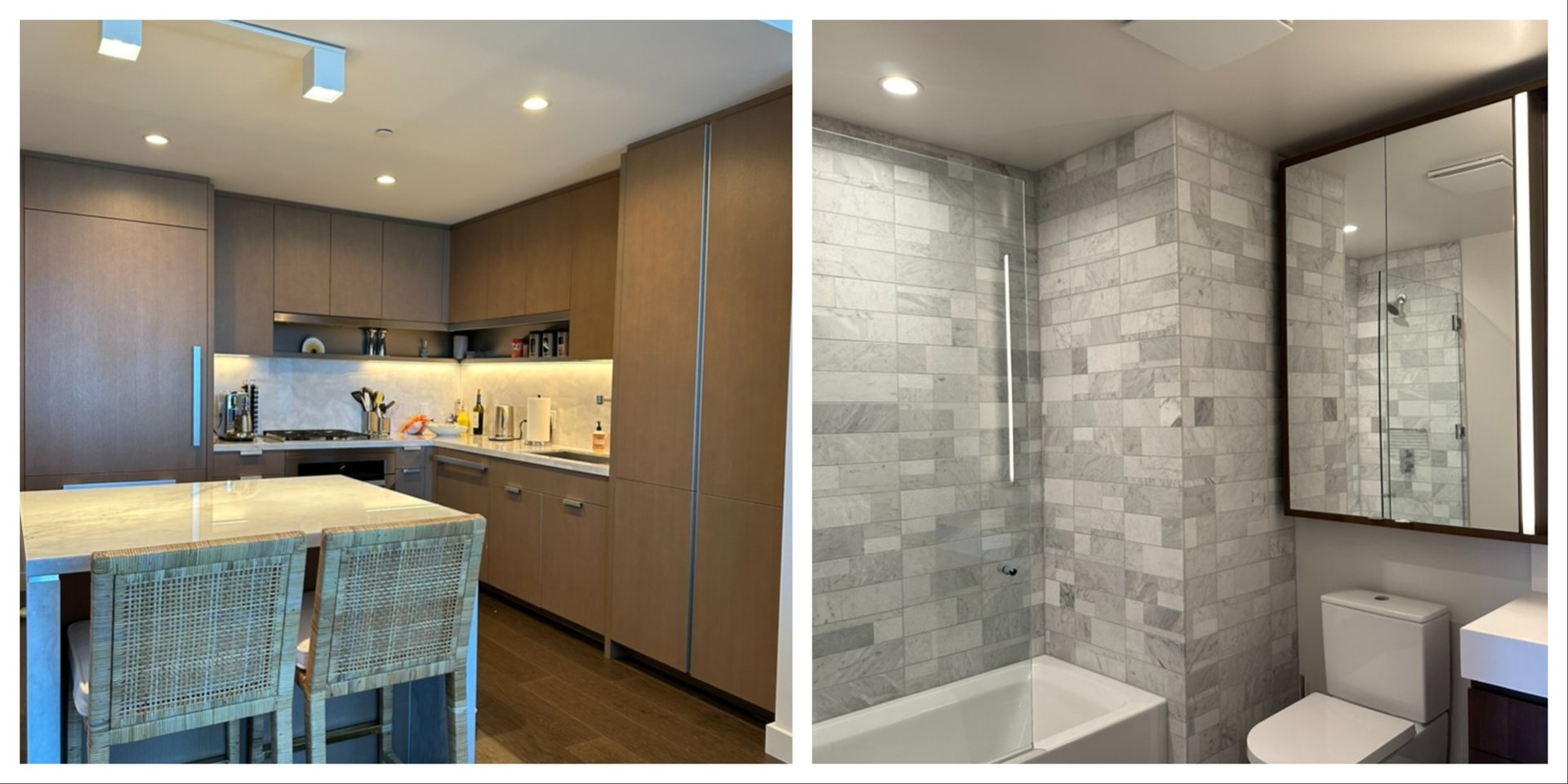
For qualified buyers in the luxury segment, off-market access offers something the public market rarely can: the ability to evaluate and pursue a property before anyone else knows it exists.
In a market where the right property in the right building at the right price may appear only a handful of times per year, early access is not a convenience. It is a competitive necessity.
Buyers who operate exclusively through public listings are, by definition, competing with everyone else who sees those listings. The dynamics are different when a property is surfaced privately — there is no open house, no offer deadline, and no competing offers driving the price upward in real time.
This does not mean off-market properties are priced below market. In many cases they are not. But the conditions of the transaction — the pace, the process, and the level of competition — are fundamentally different, and for many buyers, that difference is exactly what they are looking for.
Sellers who pursue an off-market approach are typically motivated by one or more of the following: privacy, control, or strategic testing.
Privacy is the most straightforward reason. Certain sellers — particularly those in the public eye, or those dealing with estate, divorce, or financial transitions — prefer not to have their home widely advertised, photographed, or discussed. An off-market sale allows them to transact discreetly without the exposure that comes with a traditional listing.
Control is equally important. When a property goes to market publicly, the seller is largely responding to market conditions and buyer behavior. In an off-market transaction, sellers can dictate pace, manage who has access to the property, and negotiate with a single qualified buyer rather than managing a broad process.
Strategic testing allows sellers to gauge genuine buyer interest and understand how the market responds to their property and pricing before committing to a full campaign. If a strong offer emerges, the sale proceeds. If not, the seller has lost nothing in terms of days on market — one of the most telling metrics buyers and agents track.
This is where the conversation becomes practical — and where the quality of your representation matters most.
Off-market listings do not appear on any platform. They are not announced. They circulate through personal networks: conversations between agents, relationships built over years of consistent participation in a market, and trust established through repeated collaboration.
For a buyer, gaining access to these opportunities means working with an agent who is deeply embedded in the local brokerage community — someone who is known, trusted, and actively engaged in the relationships where this kind of information moves. An agent who is simply transactional will not have these conversations. An agent who has invested in long-term relationships will.
The same principle applies to sellers. An agent with strong network connections can quietly surface your property to a curated group of qualified buyers before you ever commit to a public listing. That quiet launch can result in a transaction that bypasses the market entirely — or informs the strategy you use when you do go public.
Within the broader off-market category, there are specific approaches worth understanding.
A pocket listing is a property that an agent markets exclusively within their own network without sharing it on the MLS. For sellers, this can be a powerful tool for generating early interest among serious buyers. For buyers connected to that agent, it is an opportunity to engage before broader competition begins.
A coming soon strategy is slightly different. It involves marketing a property publicly but allowing interest to build before showings begin. This creates anticipation and can accelerate offer timing once the property becomes fully available. While not strictly off-market, it shares the principle of creating strategic early access for the right buyers.
Both approaches require judgment. Used well, they generate energy and position the property favorably. Used without strategy, they can delay the transaction or limit the competitive dynamics that drive price.
It is worth saying clearly: your ability to access off-market opportunities in San Francisco is largely a function of who represents you.
An agent's network is not incidental to their service. It is central to it. In a market where some of the most significant transactions happen privately, representation without network access is representation without the full picture.
For buyers, the question to ask is simple: does my agent have genuine relationships in this market — relationships that extend beyond the MLS and into the conversations where off-market opportunities are discussed?
For sellers, the question is equally direct: does my agent have a buyer network ready to receive a quiet showing before we commit to a public launch?
The answers to those questions will largely determine the range of outcomes available to you.
Yes. Selling a property off-market is entirely legal. The decision to list on the MLS or not is at the seller's discretion. Some markets have specific rules about how long an agent can market a property before it must be entered into the MLS, so it is worth confirming local requirements with your agent.
The most direct path is working with an agent who has established relationships in the local brokerage community. Off-market opportunities are not publicly advertised — they circulate through professional networks. If your agent is deeply embedded in those networks, you will hear about relevant opportunities. If they are not, you likely will not.
It depends on your priorities. If privacy, timing control, or discreet testing of buyer interest is important to you, an off-market or quiet launch strategy may be worth exploring. If maximizing competitive exposure is the primary goal, a full public listing may serve you better. Many sellers benefit from a combination: a private launch followed by a strategic public campaign if needed.
Stay up to date on the latest real estate trends.

A renovation can change almost everything about a house. It can change nothing about what sits outside the front door. How to read permanence across San Francisco.

San Francisco is still building. That is not what makes the finest homes scarce. The scarcity is happening in how fast the existing ones are absorbed.

Two homes, the same price, one with the view of a lifetime, one with the room to live. Here’s the framework I use to help a buyer choose, and what people actually regr… Read more

In a market this fast, days on market tells you more about your leverage than the asking price ever will, if you know how to read it.

The signals that tell you where a neighborhood is headed are the ones a listing never shows. Here’s how to read them.
In today’s San Francisco market, the number on the listing was never the real number. Here’s how to read what a home will actually take.

A strong market won't sell your home for you—positioning it for the right buyer is what wins.

The best homes sell in days, or never go public at all. Winning comes down to readiness and access.

Trying to decide between a condo and a single-family home in San Francisco? The right answer depends on your budget, timeline, and priorities—and the data in 2025 and … Read more
Maximize Your Real Estate Potential