Renovate Before Selling or Sell As-Is: How to Make the Right Decision
Renovating is not about spending more. It is about making decisions that meaningfully impact buyer perception and final price.
Not all improvements create value. Strategic updates outperform broad or unnecessary renovations.
Over-improving a property can reduce return and limit your buyer pool.
In some cases, selling as-is creates stronger demand and a more competitive outcome.
The right approach depends on the property, the market, and the seller’s goals.
"Not every improvement adds value. The right decision depends on understanding what will meaningfully influence buyer perception and final outcome." - Shalini Sadda
One of the most common questions sellers ask is whether to invest in renovations before bringing a home to market. The answer is rarely straightforward. In some cases, targeted improvements can significantly enhance buyer interest and strengthen the final sale. In others, additional work introduces unnecessary cost and complexity without improving the outcome. The key is not whether to renovate, but where thoughtful changes will truly shift how the home is perceived and how buyers choose to engage.
At the same time, sellers are often focused on maximizing return. And in many cases, the right investments can absolutely help achieve that. The nuance is knowing which improvements will actually move the outcome forward, and which will not.
Renovations create value when they align with what buyers are actively responding to in the current market.
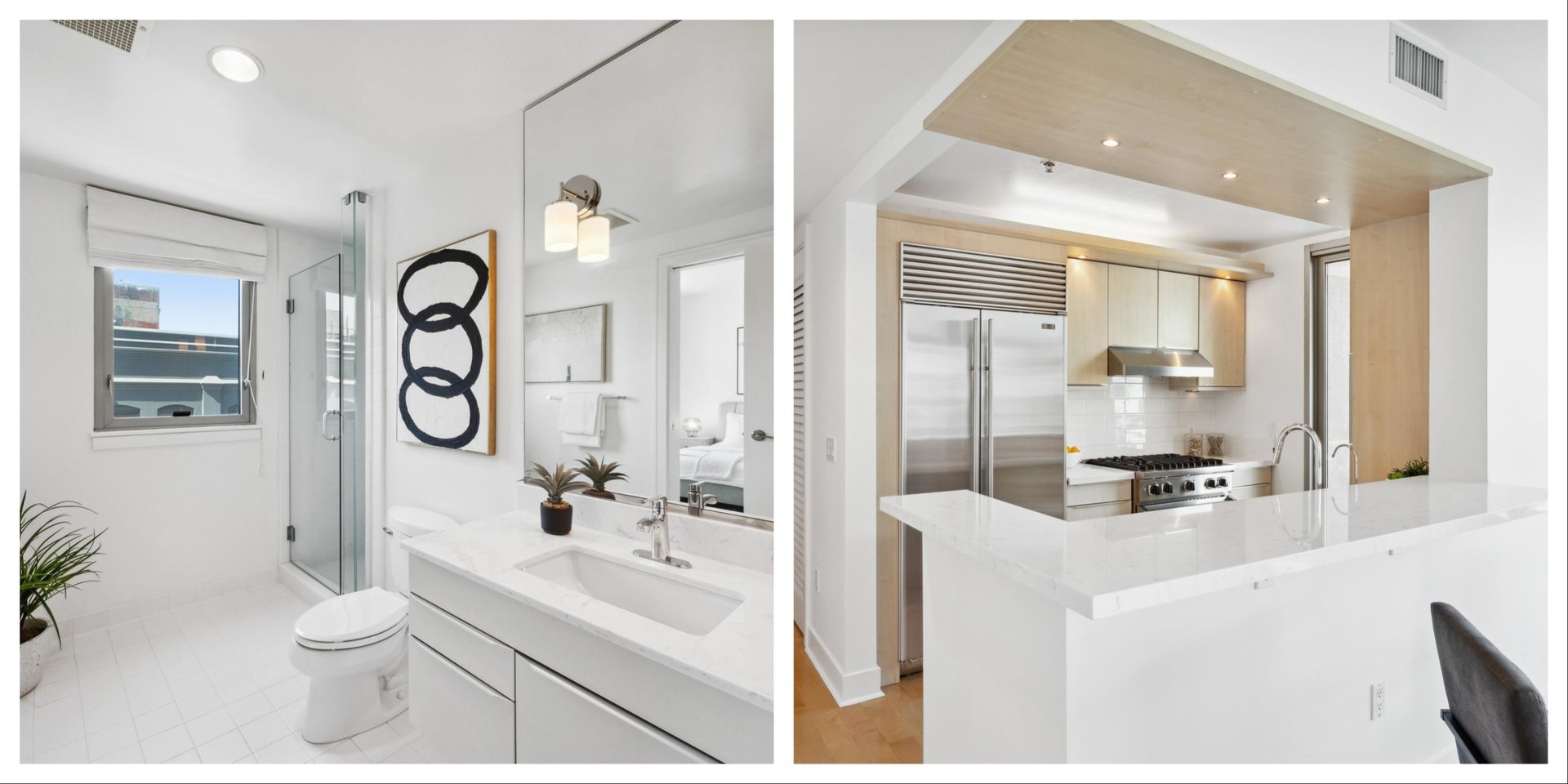
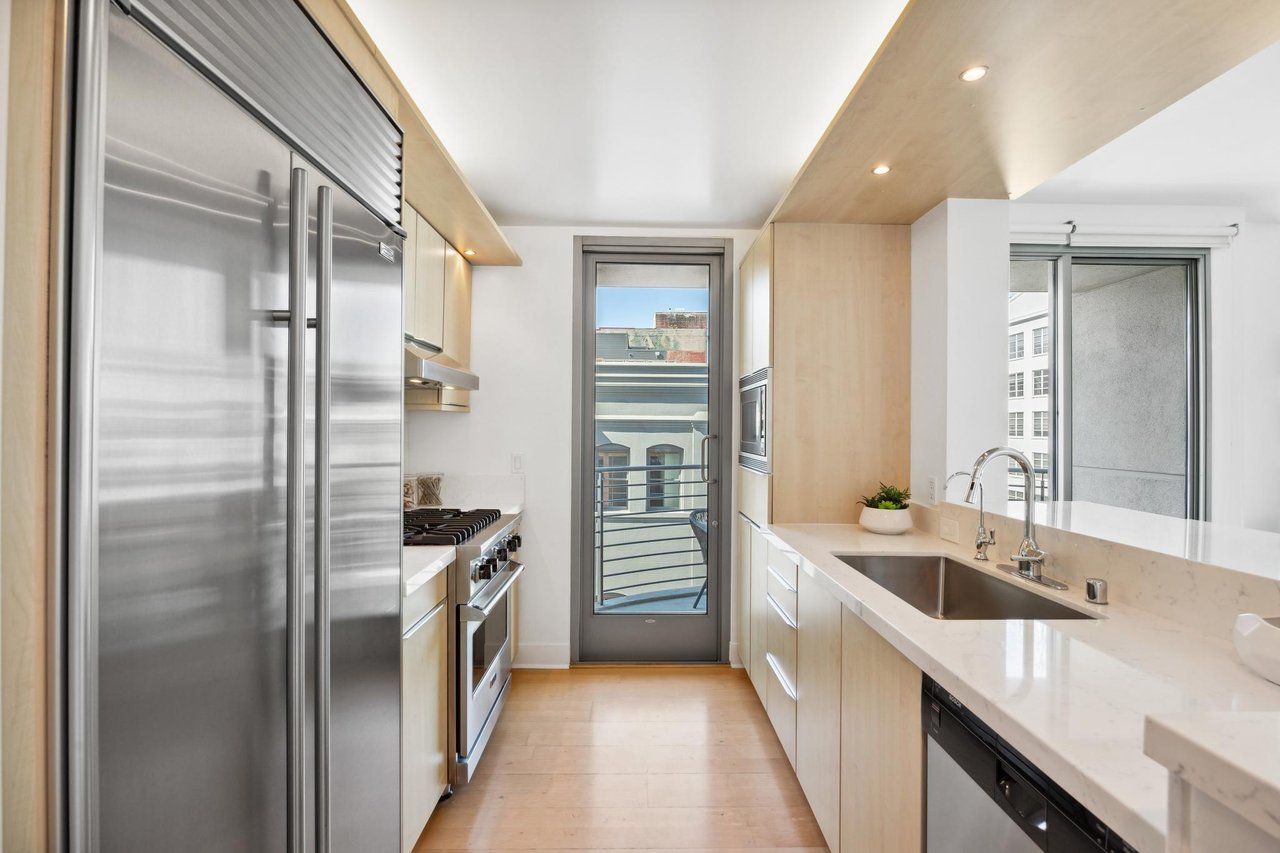
This often means addressing elements that immediately impact how a home feels. Light, flow, layout, and overall cohesion tend to matter more than highly customized or overly specific upgrades. When a home presents as clean, intentional, and move-in ready, buyers are more likely to engage confidently and compete.
In these situations, the right improvements can increase perceived value, reduce buyer hesitation, and ultimately drive stronger offers. This is where renovation becomes a strategic investment rather than an expense.
The goal of any pre-sale improvement is not simply to enhance the home. It is to improve the outcome.
That requires evaluating return on investment with discipline. Not every dollar spent will translate into increased value. In fact, some renovations may only partially return their cost, while others can create a disproportionate impact.
The focus should be on changes that influence buyer behavior. Will this improvement attract more attention? Will it increase perceived quality? Will it reduce objections during the decision-making process?
When the answer is yes, the investment is often justified. When the answer is unclear, restraint is usually the better strategy.
One of the most common mistakes sellers make is over-improving a property.
Highly customized finishes, overly ambitious remodels, or upgrades that exceed the expectations of the neighborhood can limit appeal rather than expand it. Buyers want to see value, but they also want to feel that the home fits within the broader market.
Over-improving can also introduce unnecessary time and cost, delaying entry into the market without a clear benefit. In some cases, it can even narrow the buyer pool, as the home becomes too specific in its design or pricing.
The objective is not to do more. It is to do what matters.
There are situations where selling as-is creates a more favorable outcome.
If the property has strong fundamentals, a desirable location, or clear upside potential, buyers may be willing to take on improvements themselves. In these cases, leaving room for the buyer to add value can actually increase competition.
Selling as-is can also accelerate timing, reduce upfront costs, and simplify the process. For some sellers, this alignment between efficiency and outcome is the right choice.
The key is recognizing when the market will reward potential rather than polish.
Buyer expectations are constantly evolving, especially in a market like San Francisco.
In certain segments, buyers expect a high level of finish and are less willing to take on work. In others, buyers are actively looking for opportunities to personalize or invest.
Understanding these expectations is critical. The decision to renovate or sell as-is should always reflect how buyers in that specific segment are thinking, not a generalized assumption about what “adds value.”
When the strategy aligns with buyer expectations, the entire process becomes more predictable and more effective.
The decision to renovate before selling is not about spending more. It is about understanding what will actually change the outcome.
For some properties, thoughtful improvements can significantly increase return and create a stronger, more competitive sale. For others, restraint preserves flexibility and allows the market to respond more naturally.
The most important factor is clarity. When the decision is grounded in strategy, aligned with the market, and focused on buyer perception, sellers are positioned to achieve the strongest possible result.
It depends on the property and the market. Strategic, targeted improvements can increase buyer interest and final price, but not all renovations create value. The decision should be based on what will meaningfully impact buyer perception.
Improvements that enhance light, layout, and overall presentation tend to deliver the strongest return. Buyers respond most to homes that feel cohesive, move-in ready, and well-positioned within the market.
Yes. In some cases, selling as-is can create stronger demand, especially if the property has desirable fundamentals or upside potential. It can also reduce cost, simplify timing, and allow buyers to envision their own improvements.
Stay up to date on the latest real estate trends.

The asking price was never the value. It was the strategy.

The smartest due diligence in San Francisco real estate starts a century before the listing.

Two extraordinary homes, the same money, and no obvious answer. The question I ask buyers is not which one they prefer. It is which one they will never get another sho… Read more

Price per square foot is the number most sellers glance at and almost no one reads correctly. It measures your address, not your house.

A renovation can change almost everything about a house. It can change nothing about what sits outside the front door. How to read permanence across San Francisco.

San Francisco is still building. That is not what makes the finest homes scarce. The scarcity is happening in how fast the existing ones are absorbed.

Two homes, the same price, one with the view of a lifetime, one with the room to live. Here’s the framework I use to help a buyer choose, and what people actually regr… Read more

In a market this fast, days on market tells you more about your leverage than the asking price ever will, if you know how to read it.

The signals that tell you where a neighborhood is headed are the ones a listing never shows. Here’s how to read them.
Maximize Your Real Estate Potential