
Why Preparation Starts Months Before Listing
Preparation done months in advance creates pricing power and stronger buyer demand.
Strategic sellers outperform reactive sellers in both timing and final outcome.
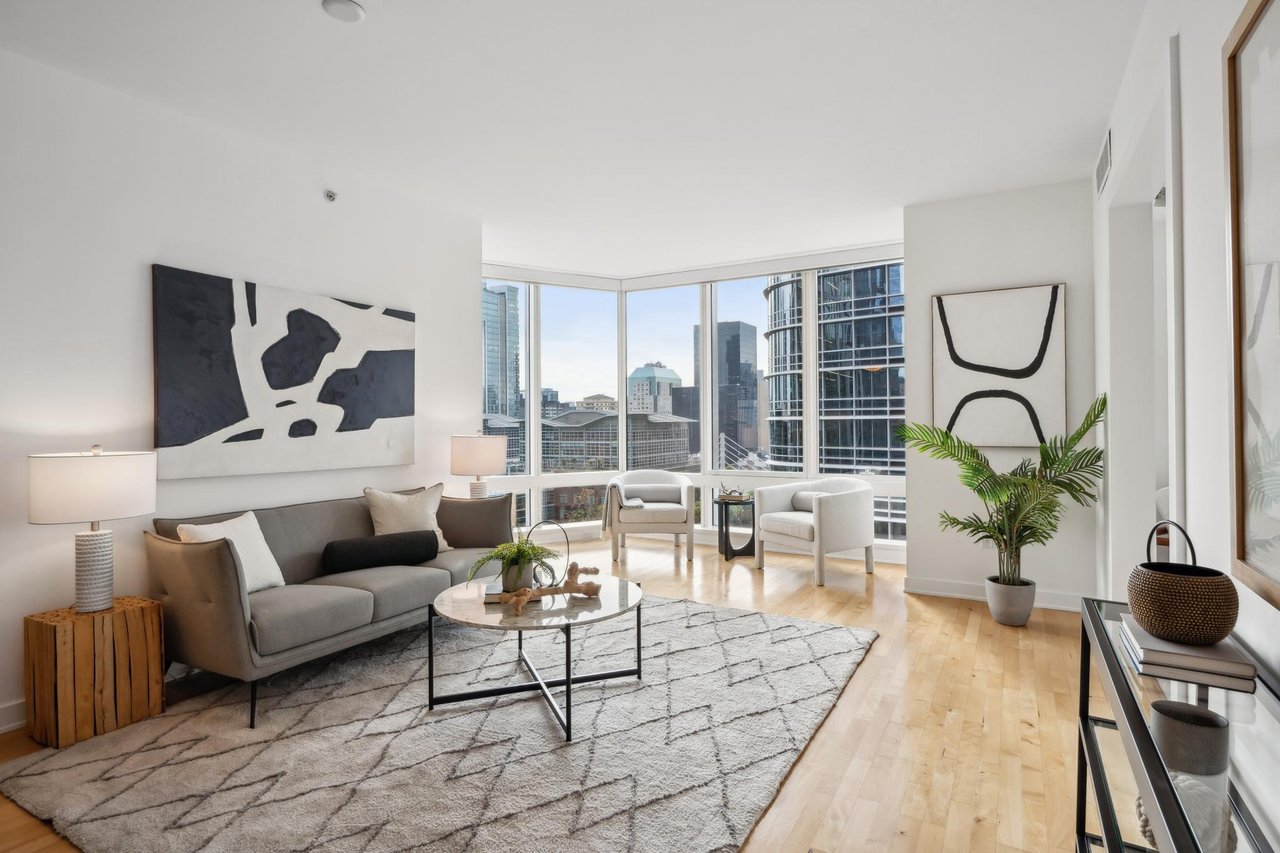
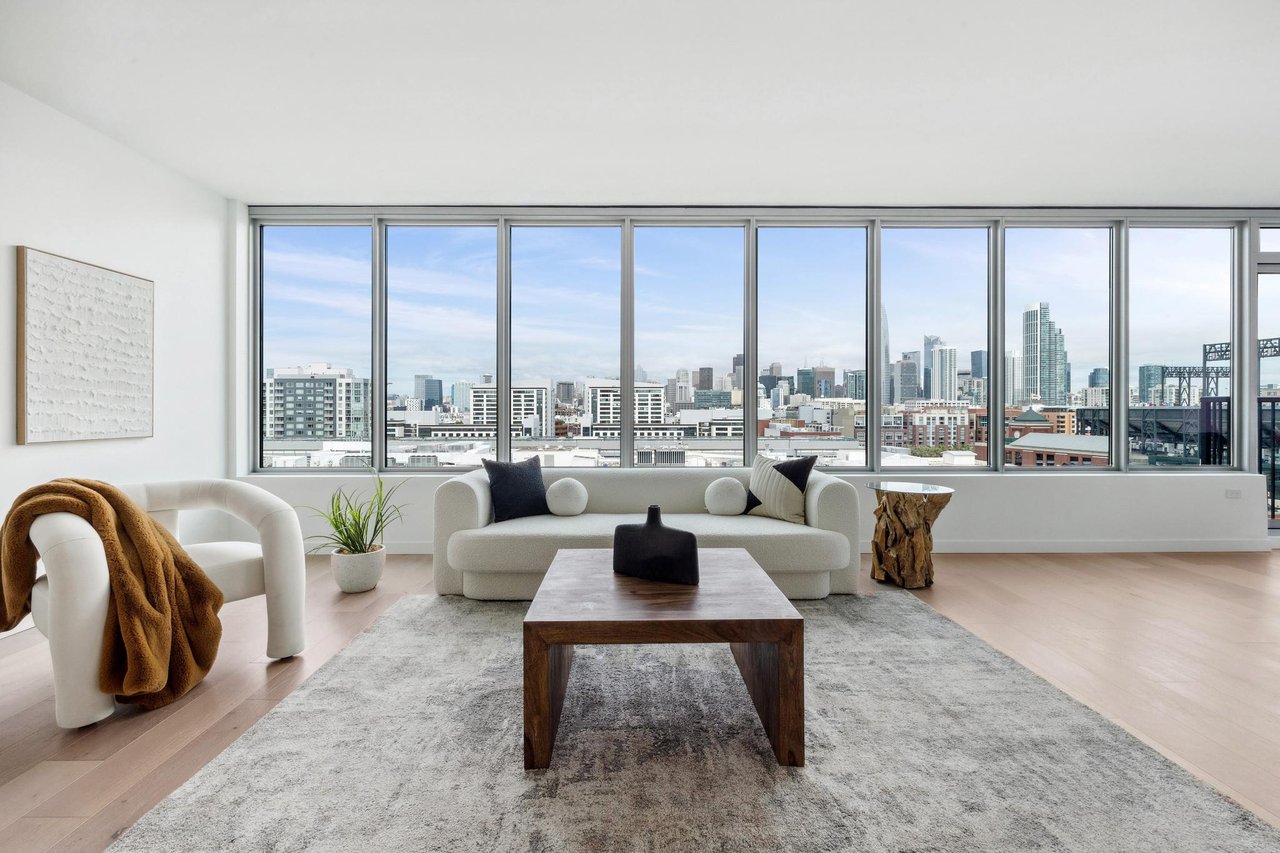
Preparation goes far beyond staging. It includes positioning, design decisions, and market alignment.
Buyer perception is shaped instantly. Early preparation ensures that first impression is controlled.
Timing the market correctly depends on being ready before the opportunity appears.
"The strongest outcomes are built long before a home reaches the market" - Shalini Sadda
In San Francisco, the most successful home sales rarely begin when a property goes live. They begin months earlier, through a deliberate process of preparation that aligns the home, the pricing strategy, and the timing of the market. Sellers who take this approach are not reacting to the market. They are entering it with intention. Over time, I have seen a clear pattern: when preparation is handled thoughtfully and well in advance, the entire process becomes more efficient, more predictable, and ultimately more successful.
Preparation is not about doing more. It is about creating leverage.
When a home is prepared in advance, every decision becomes more controlled. Sellers are not rushing to meet market windows or reacting to feedback once the property is already live. Instead, they are shaping how the home will be perceived before buyers ever walk through the door.
In a competitive market like San Francisco, that distinction matters. Buyers are highly attuned to presentation, pricing, and overall cohesion. Homes that feel intentional attract stronger attention. Homes that feel rushed often require adjustments later, and those adjustments almost always come at a cost.
Early preparation allows sellers to enter the market from a position of strength rather than urgency.
There is a clear difference between sellers who prepare early and those who wait.
Reactive sellers typically begin the process once they decide to list. At that point, timelines are compressed, decisions are rushed, and opportunities to refine the home are limited. Pricing often becomes a negotiation with the market rather than a strategy that leads it.
Strategic sellers begin months earlier. They evaluate the home objectively, make improvements with purpose, and align their timing with market conditions. They are not trying to catch up. They are setting the stage.
The result is not just a better presentation. It is a more controlled process from start to finish.
Preparation is often misunderstood as staging alone. In reality, it is far more comprehensive.
It includes evaluating how the home shows in today’s market, identifying where improvements will create meaningful return, and refining the overall presentation so that it aligns with current buyer expectations.
This may involve layout adjustments, lighting improvements, finish updates, and strategic design choices that enhance how the home is experienced. It also includes developing a pricing strategy based on real market data and understanding how the home will be positioned relative to competing properties.
The goal is not perfection. The goal is alignment.

Buyer perception is formed within moments.
When a home feels cohesive, well-prepared, and thoughtfully presented, buyers respond with confidence. That confidence often translates into stronger offers and more competitive dynamics.
When a home feels inconsistent or unfinished, buyers hesitate. Even small details can introduce doubt, and that doubt can affect both the level of interest and the strength of offers.
Preparation allows sellers to control that first impression. It ensures that buyers are responding to the home’s strengths, rather than being distracted by preventable concerns.
Timing is one of the most underestimated elements of a successful sale.
The strongest opportunities in the market do not wait for sellers to be ready. They reward those who are already prepared. When a home is fully ready to list, sellers have the flexibility to choose the right moment rather than rushing into the next available window.
This flexibility can influence everything from initial interest to final pricing.
In many cases, the difference between a good outcome and a great one comes down to whether the seller had the ability to act at the right time.
The most successful sales are not created at the moment of listing. They are built through a series of thoughtful decisions made well in advance.
Preparation is what allows pricing to be strategic rather than reactive. It is what allows buyers to engage with confidence. And it is what creates the conditions for strong, competitive outcomes.
For sellers in San Francisco, the advantage does not come from entering the market quickly. It comes from entering the market prepared.
Ideally, preparation should begin two to six months before listing. This allows time to make thoughtful improvements, develop a pricing strategy, and align with the right market timing.
The most impactful areas typically include presentation, lighting, layout, and overall cohesion. Strategic updates that improve how the home feels to buyers tend to create the strongest return.
Staging is only one component of preparation. A successful strategy also includes pre-sale improvements, pricing alignment, and positioning the home correctly within the current market.
Stay up to date on the latest real estate trends.
The asking price was never the value. It was the strategy.

The smartest due diligence in San Francisco real estate starts a century before the listing.

Two extraordinary homes, the same money, and no obvious answer. The question I ask buyers is not which one they prefer. It is which one they will never get another sho… Read more
Price per square foot is the number most sellers glance at and almost no one reads correctly. It measures your address, not your house.

A renovation can change almost everything about a house. It can change nothing about what sits outside the front door. How to read permanence across San Francisco.

San Francisco is still building. That is not what makes the finest homes scarce. The scarcity is happening in how fast the existing ones are absorbed.

Two homes, the same price, one with the view of a lifetime, one with the room to live. Here’s the framework I use to help a buyer choose, and what people actually regr… Read more

In a market this fast, days on market tells you more about your leverage than the asking price ever will, if you know how to read it.

The signals that tell you where a neighborhood is headed are the ones a listing never shows. Here’s how to read them.
Maximize Your Real Estate Potential