
The Sellers Strategic Pricing Playbook
The price you choose is not just a number. It is the first story you tell the market — and in San Francisco, that story needs to be right from the start.
When sellers think about pricing, they often think about value. They think about what they paid, what they have put into the home, and what they believe it is worth. All of that matters. But it is not what drives the market.
What drives the market is perception. And perception is shaped within the first moments of exposure. When a home is priced with precision and intention, buyers respond. When it is not, the market moves past it — and in San Francisco, that can happen quickly.
Strategic pricing is not about setting a low number and hoping for the best. It is about understanding exactly how buyers will interpret your listing in the context of everything else they are seeing, and positioning your home in a way that generates energy, urgency, and ultimately, the strongest possible outcome.
There is a principle in real estate that experienced agents understand deeply: a listing is at its most powerful the moment it hits the market.
In those first two weeks, a property receives the highest concentration of attention it will ever see. Buyers who have been waiting for something like this home are notified. Agents with qualified clients are booking showings. The market is paying attention.
What happens in that window is largely determined by price. A well-priced home captures that energy and converts it into offers. A mispriced home burns through it and enters a much harder phase — sitting, waiting, and eventually adjusting.
The adjustment always costs more than the correction would have. Price reductions signal to the market that something is wrong, even when nothing is. And in San Francisco, where buyer confidence is everything, that signal is difficult to reverse.
Sellers often believe that pricing high gives them room to negotiate. The logic seems sound: start high, come down if needed, and land somewhere in the middle.
But that is not how buyers behave.
When a property is priced beyond what the market believes it is worth, buyers do not engage. They do not make low offers. They do not negotiate. They simply move on. And once they move on, they are rarely easy to bring back.
Overpricing does not create negotiating room. It creates silence. And in a market like San Francisco, silence is expensive.
Strategic pricing is built on data, but it requires judgment. It begins with a thorough analysis of comparable properties — what has sold, how quickly, and at what price relative to the original ask. It accounts for market conditions: whether inventory is rising or falling, how buyers are behaving in this specific segment, and where demand is strongest.
From that foundation, a price is selected not to reflect the home's maximum theoretical value, but to position it precisely within the market in a way that drives engagement.
In many cases, this means pricing slightly below where you might expect. Not to give anything away, but to create the conditions where multiple buyers are competing simultaneously. That competition — not the initial price — is what drives the final number higher.
The sellers who achieve the strongest outcomes in San Francisco are often those who priced with discipline and let the market do the work.
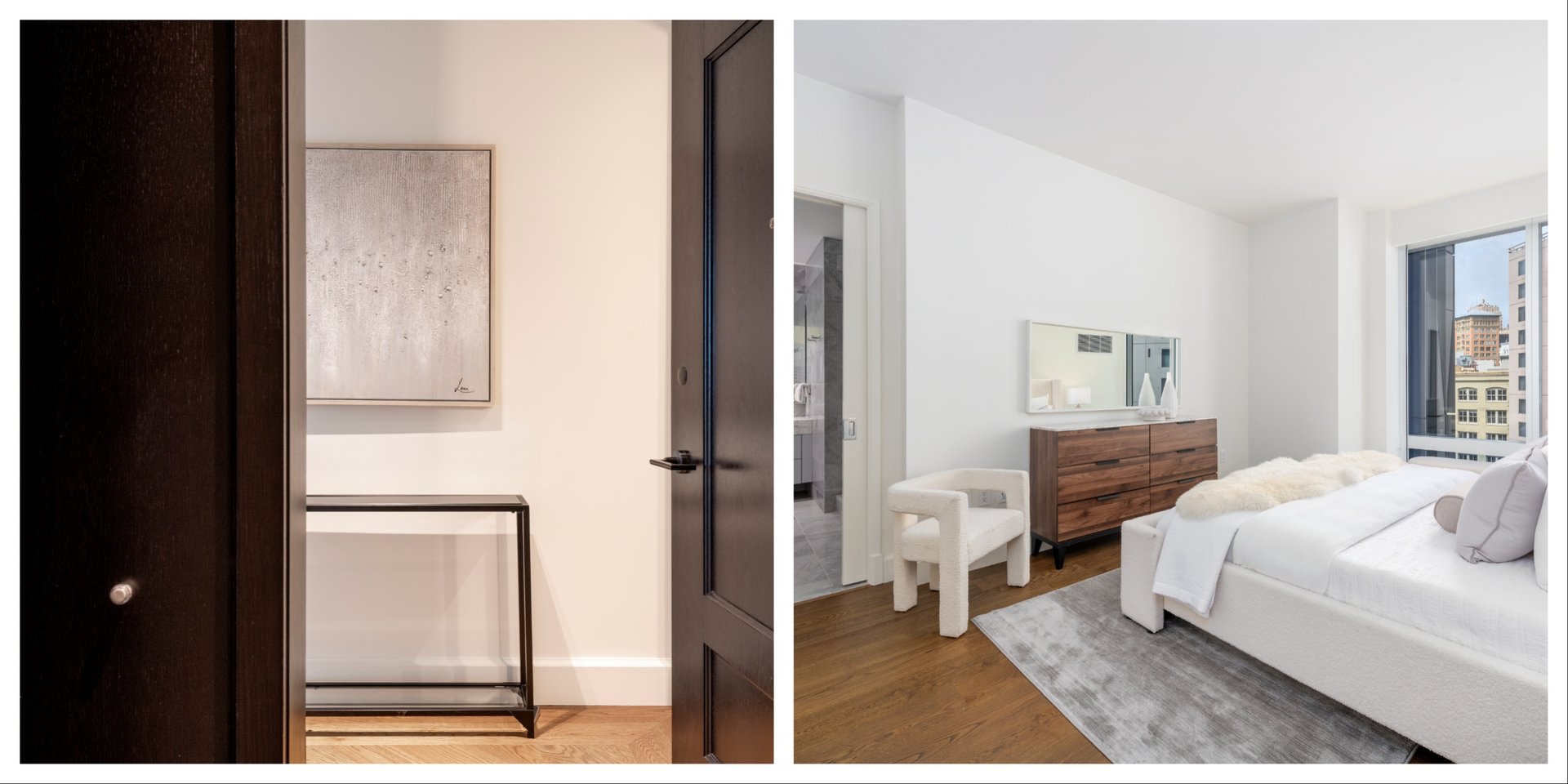
Pricing does not exist in isolation. It works in concert with how a home is presented and when it enters the market.
A beautifully prepared home priced correctly in the right market moment is positioned to perform at its highest level. The same home with a weak price strategy or poor timing may reach the market with all the right qualities and still underperform.
This is why pricing is not the final decision in a sale strategy. It is one of three levers — alongside preparation and timing — that together create the conditions for a strong outcome. When all three are aligned, the sale process becomes more predictable and more competitive.
Every pricing conversation begins with a comparative market analysis, or CMA. This is the process of evaluating recently sold properties that are similar to yours — in size, location, condition, and features — to establish what the market has actually been willing to pay.
A well-executed CMA is not just a list of numbers. It is an interpretation. It requires understanding why certain homes sold above expectations and why others did not. It requires reading the market's behavior, not just recording it.
In San Francisco, where micro-neighborhoods can differ dramatically block by block, a CMA is only as useful as the expertise behind it. The data is the foundation. The judgment applied to that data is what creates a pricing strategy.
Pricing a San Francisco home is one of the most consequential decisions in the selling process. It shapes how buyers engage, how quickly offers arrive, and ultimately what the final outcome looks like.
The sellers who approach pricing with clarity — grounded in market data, guided by strategy, and free from emotional attachment — consistently position themselves to achieve the strongest result.
The goal is not to guess well. It is to price with precision, enter the market at the right moment, and let a well-prepared home do the rest.
A well-priced home typically receives strong showing activity and meaningful offers within the first two weeks. If interest is low or offers are not materializing, the market is providing feedback worth listening to.
Neither. Pricing should be based entirely on what the current market supports. What you paid or what you hope to net may inform your decisions, but they do not influence what buyers are willing to offer. A strong agent will help you separate those conversations.
There are rare circumstances — particularly with truly unique or irreplaceable properties — where pricing above recent comparables can be justified. But in most cases, pricing above market reduces competition rather than creating it. The result is almost always a longer time on market and a final price that falls below what strategic pricing would have achieved.
Stay up to date on the latest real estate trends.
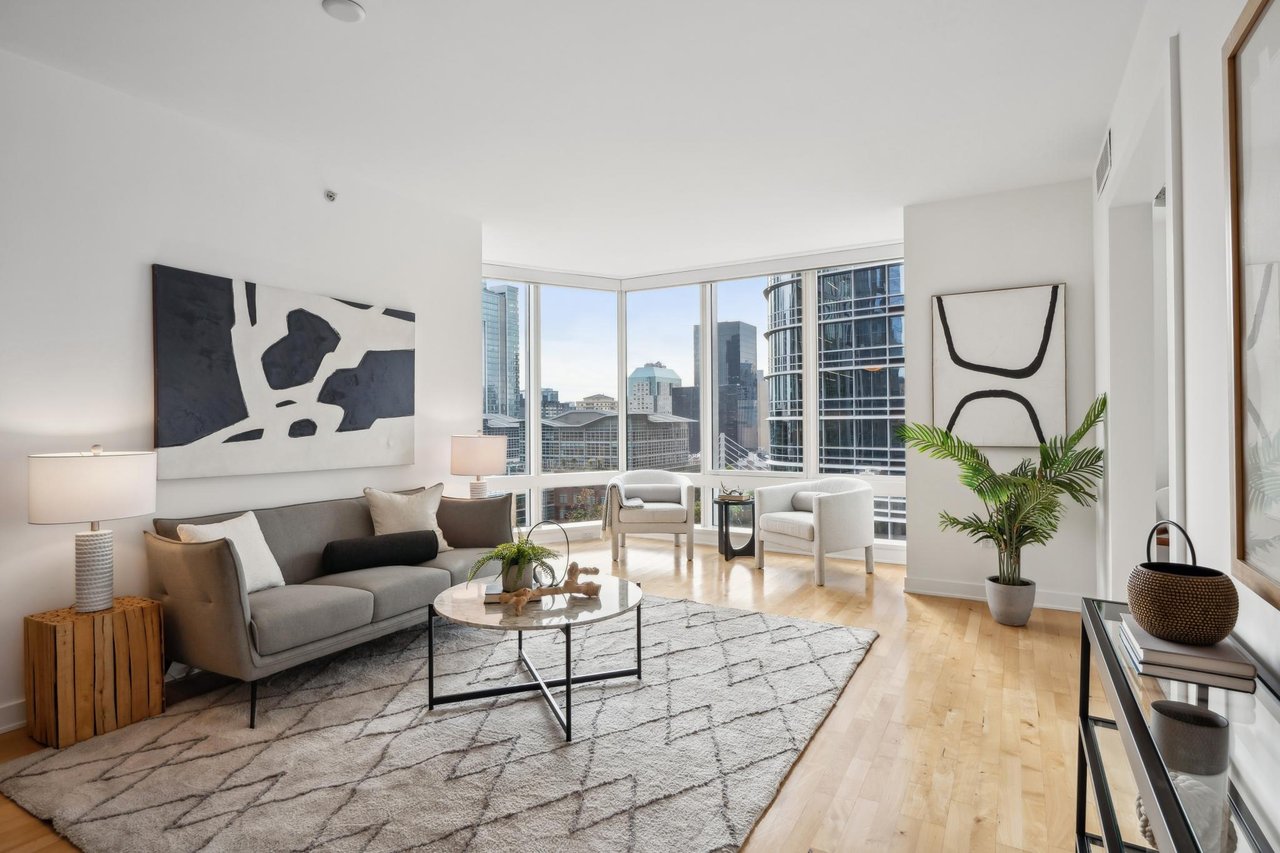
The asking price was never the value. It was the strategy.
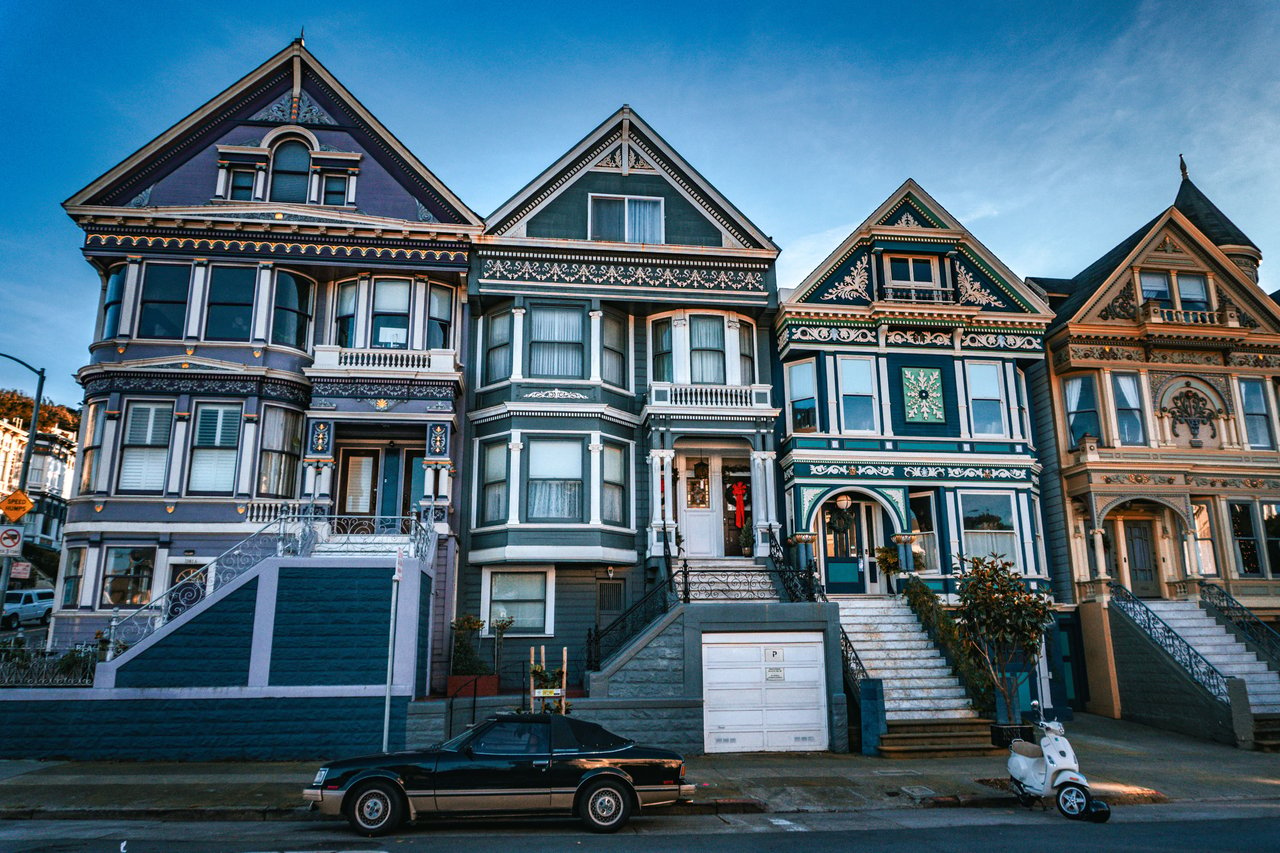
The smartest due diligence in San Francisco real estate starts a century before the listing.
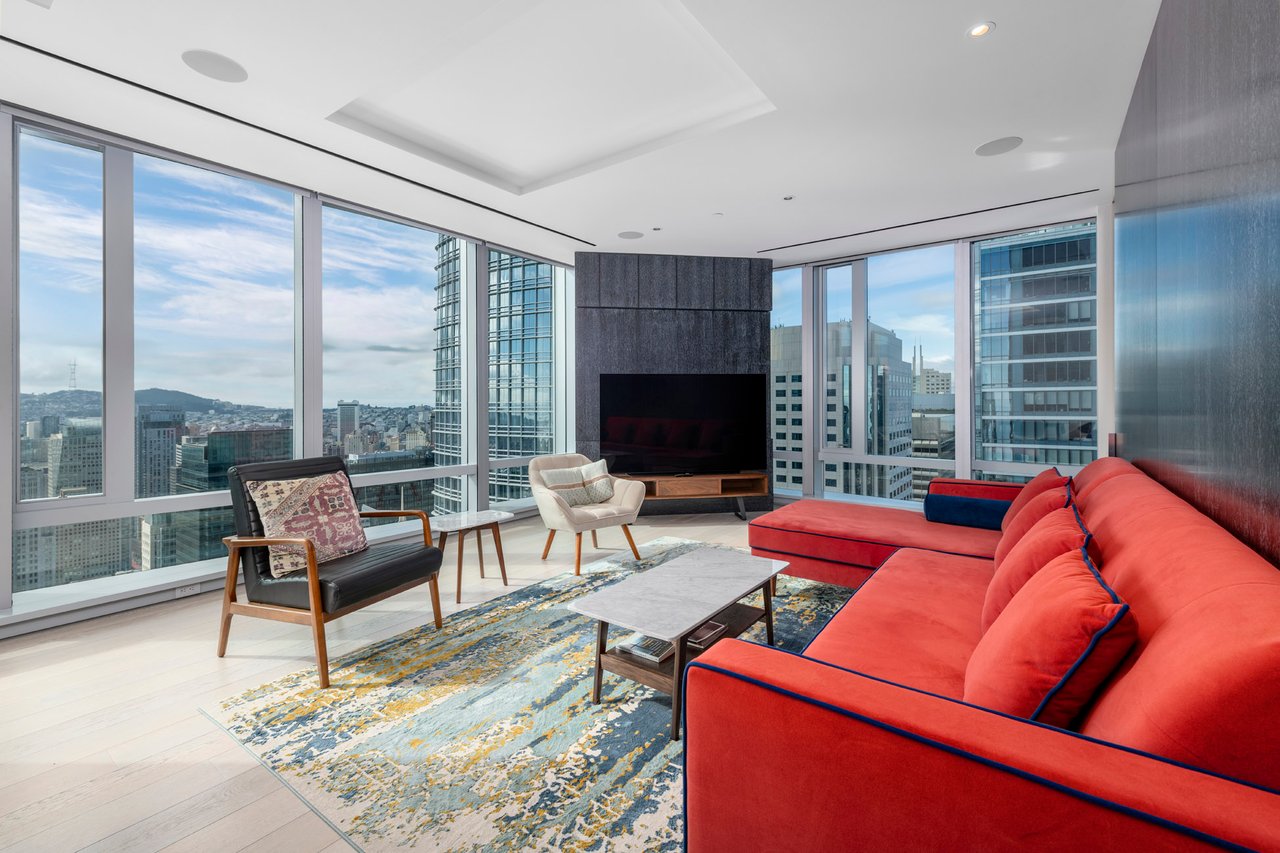
Two extraordinary homes, the same money, and no obvious answer. The question I ask buyers is not which one they prefer. It is which one they will never get another sho… Read more
Price per square foot is the number most sellers glance at and almost no one reads correctly. It measures your address, not your house.

A renovation can change almost everything about a house. It can change nothing about what sits outside the front door. How to read permanence across San Francisco.

San Francisco is still building. That is not what makes the finest homes scarce. The scarcity is happening in how fast the existing ones are absorbed.
Two homes, the same price, one with the view of a lifetime, one with the room to live. Here’s the framework I use to help a buyer choose, and what people actually regr… Read more
In a market this fast, days on market tells you more about your leverage than the asking price ever will, if you know how to read it.

The signals that tell you where a neighborhood is headed are the ones a listing never shows. Here’s how to read them.
Maximize Your Real Estate Potential