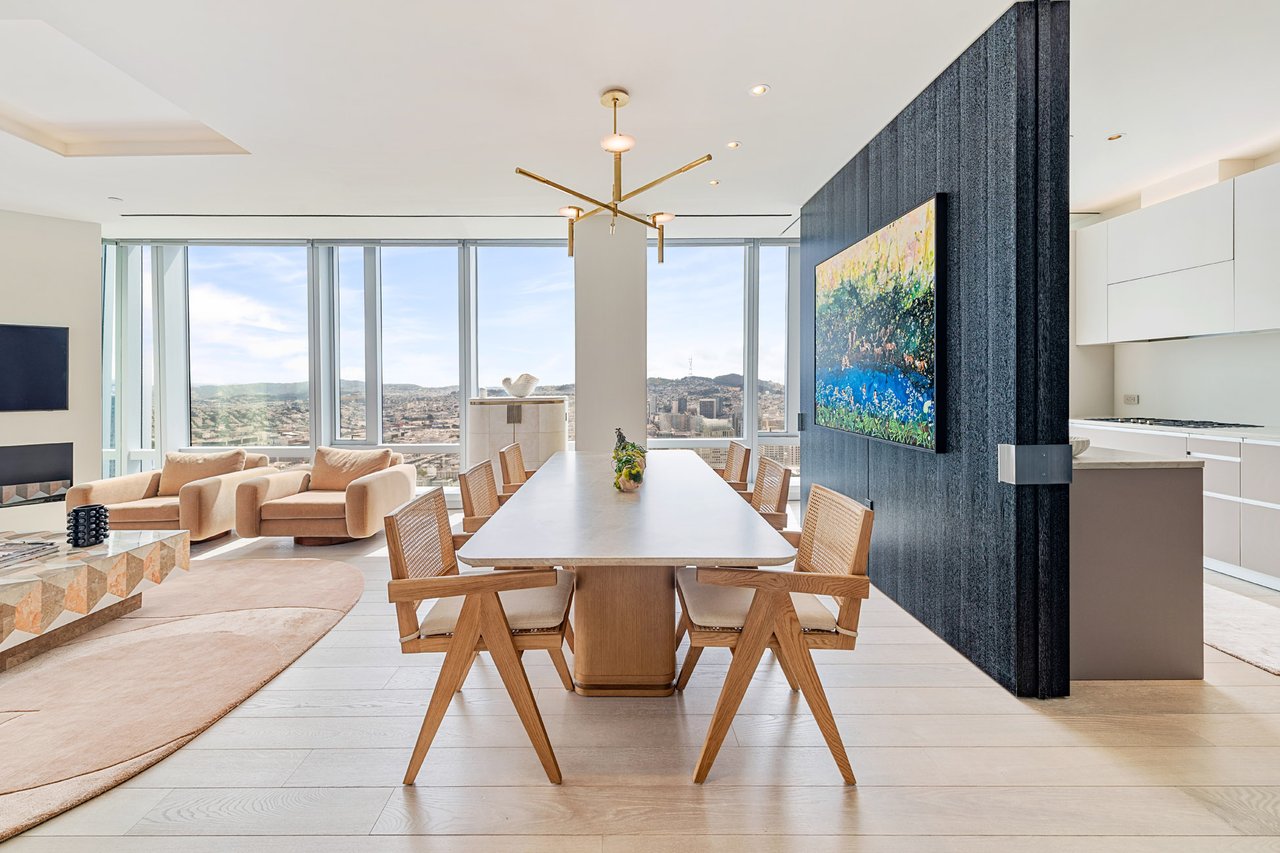
Condo vs. Single-Family Home in San Francisco: How to Choose the Right Strategy
It is one of the most common questions I hear from buyers in San Francisco: should I be looking at condos or single-family homes?
The honest answer is that these are two very different markets operating under very different conditions right now—and the right choice depends less on a general preference and more on a clear understanding of what each segment actually looks like in 2025 and 2026. The data tells a compelling story. And once you understand it, the decision becomes significantly clearer.
San Francisco's single-family home market is operating under conditions of acute scarcity. According to Redfin, SF home prices rose 15% year-over-year as of April 2026—the strongest appreciation the market has seen in years—with the average home selling in just 14 days and closing at approximately 15% above list price.[1]
The supply picture is stark. CoStar's March 2026 San Francisco housing report found that single-family home sales rose 13.5% year-over-year even as inventory remained at historic lows—with well-capitalized buyers, many using cash or stock-based wealth, entering the market with urgency.[2]
The AI economy is a significant driver. Liquidity events from companies like OpenAI, Anthropic, and Waymo have injected a wave of buyers with large, fast-moving capital into a market where supply simply cannot respond. These buyers are not waiting for a better moment. They are competing aggressively—and the homes that meet their criteria are not lasting long enough for cautious buyers to catch up.
The most striking recent example: a Cow Hollow home sold for nearly double its asking price—$15 million against a $7.8 million list—in what the SF Standard described as a reflection of San Francisco's growing mansion shortage.[4]
For buyers pursuing single-family homes: this market demands pre-positioning. That means financing fully underwritten—not just pre-approved—relationships with agents who have access before properties go public, and the decisiveness to act without hesitation when the right home appears.
For much of 2023 and 2024, San Francisco's condo market was the market everyone was trying to avoid. High HOA fees, remote work, and a preference for outdoor space combined to keep prices suppressed and days on market elevated. That era is ending.
The numbers tell the story clearly. According to Redfin, condo prices in San Francisco jumped 24.4% annually into early 2026—the strongest condo price growth since 2018—driven by buyers priced out of the single-family market pivoting decisively toward condos.[3]
That momentum is showing up in days on market too. Redfin data shows the average SF home—across all types—now selling in just 14 days, down from 18 days a year earlier.[1] The window of relative softness that defined the condo market for several years is narrowing. Buildings that were priced at 2018 levels will not stay there.
The condo opportunity is most compelling in specific segments: larger units of 1,500 square feet and above in well-managed buildings with strong financials, particularly in neighborhoods like Pacific Heights, Noe Valley, South Beach, and Mission Bay. These properties are attracting buyers who want the location and lifestyle of San Francisco's most desirable areas without entering a bidding war that could push them $1–2 million over asking.
For buyers considering condos: the critical due diligence factors go beyond the unit itself. Building reserve funds, HOA financial health, rental restrictions, and insurance exposure all determine long-term value in ways that do not apply to single-family homes. Getting this right requires knowing what to look for—and what to avoid.
Budget. The median home in San Francisco County is now $1.7 million, up 14.2% year-over-year, and in competitive neighborhoods the effective price is meaningfully higher once overbidding is factored in. For buyers with budgets under $2 million, the condo market offers significantly more access to quality neighborhoods and finished product.
Timeline. If you need to be in a home within six months, the single-family market requires an aggressive, well-resourced strategy. The condo market offers more flexibility—more inventory, more negotiating room on well-priced units, and fewer all-cash competitors.
Lifestyle. If outdoor space, privacy, and the ability to renovate freely are non-negotiable, single-family is the right target regardless of the competitive environment. If walkability, building amenities, and lower maintenance are the priority, the condo market—particularly in buildings with strong management—delivers a compelling lifestyle at a more accessible price point.
"The question is never condo or house in the abstract. It is which market gives you the best chance of getting the right home at the right price—given who you are and what you are trying to accomplish." — Shalini Sadda
Both markets are moving. The single-family segment rewards preparation and speed. The condo segment rewards precision and due diligence. In either case, the buyers who succeed are the ones who entered the process with clarity—about their priorities, their constraints, and what they were actually willing to pay to get what they wanted.
The right strategy is not the one that sounds best in theory. It is the one that fits your specific situation and is executed with the right support.
Single-family homes offer stronger long-term appreciation, but the entry bar is extremely high—inventory is near record lows and most homes sell well above asking. Condos present the better entry opportunity today, with prices up 24.4% annually and appreciation accelerating into 2026.
Extremely competitive. As of April 2026, the average home sold in just 14 days, prices rose 15% year-over-year, and the typical home closed around 15% above list price, according to Redfin. Buyers need to be fully pre-approved and ready to move immediately.
Beyond the unit itself, focus on building financials: reserve fund health, HOA fee stability, pending special assessments, rental restrictions, and insurance coverage. In San Francisco, building quality is often what separates a condo that appreciates from one that doesn't.
Sources
[1] Redfin — "San Francisco Home Prices Jump Most in 8 Years Amid AI Boom," April 2026.
[2] CoStar / Homes.com — San Francisco Housing Market Report, March 2026.
[3] Redfin via National Mortgage Professional — "AI-Driven Home Price Surge in San Francisco," April 2026.
[4] SF Standard — "A Cow Hollow home sold for nearly double its asking price," May 2026.
Stay up to date on the latest real estate trends.
The asking price was never the value. It was the strategy.
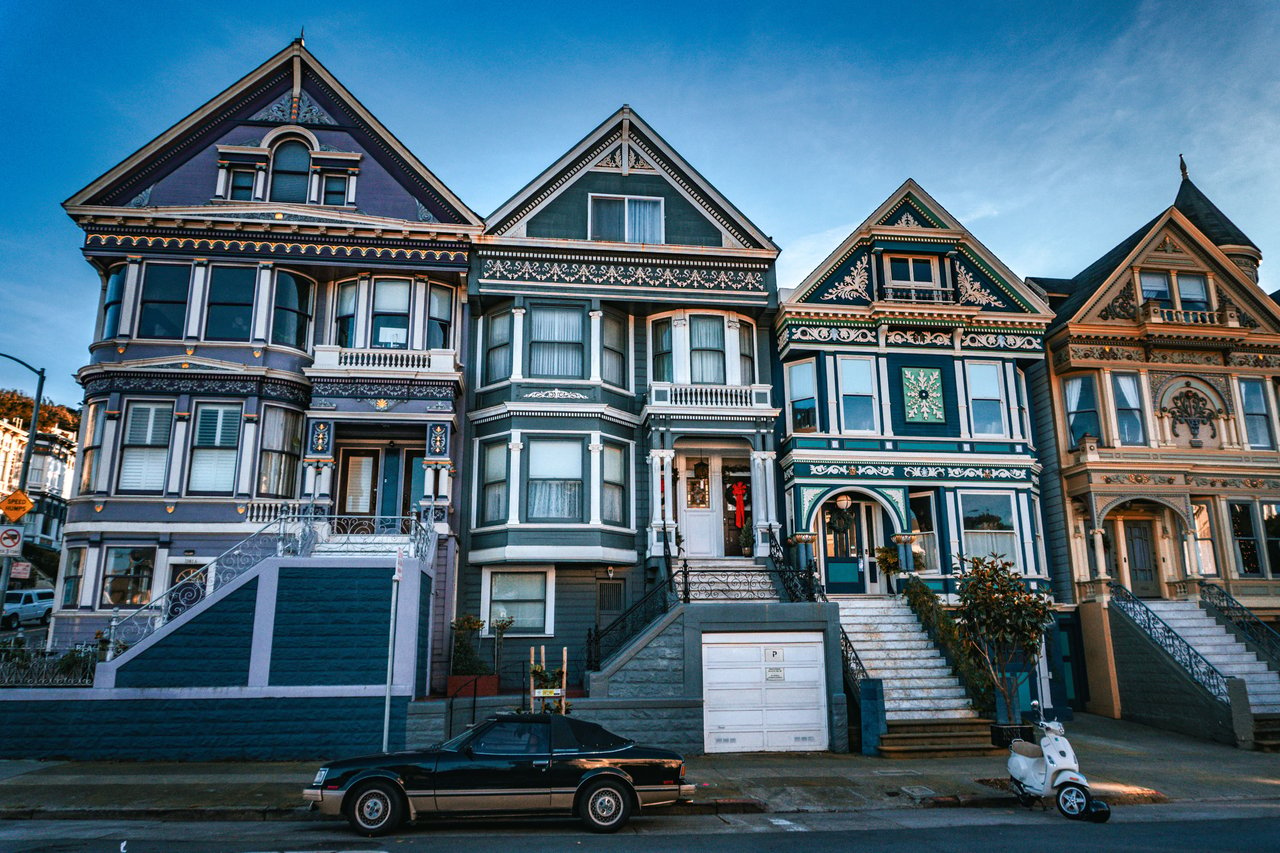
The smartest due diligence in San Francisco real estate starts a century before the listing.
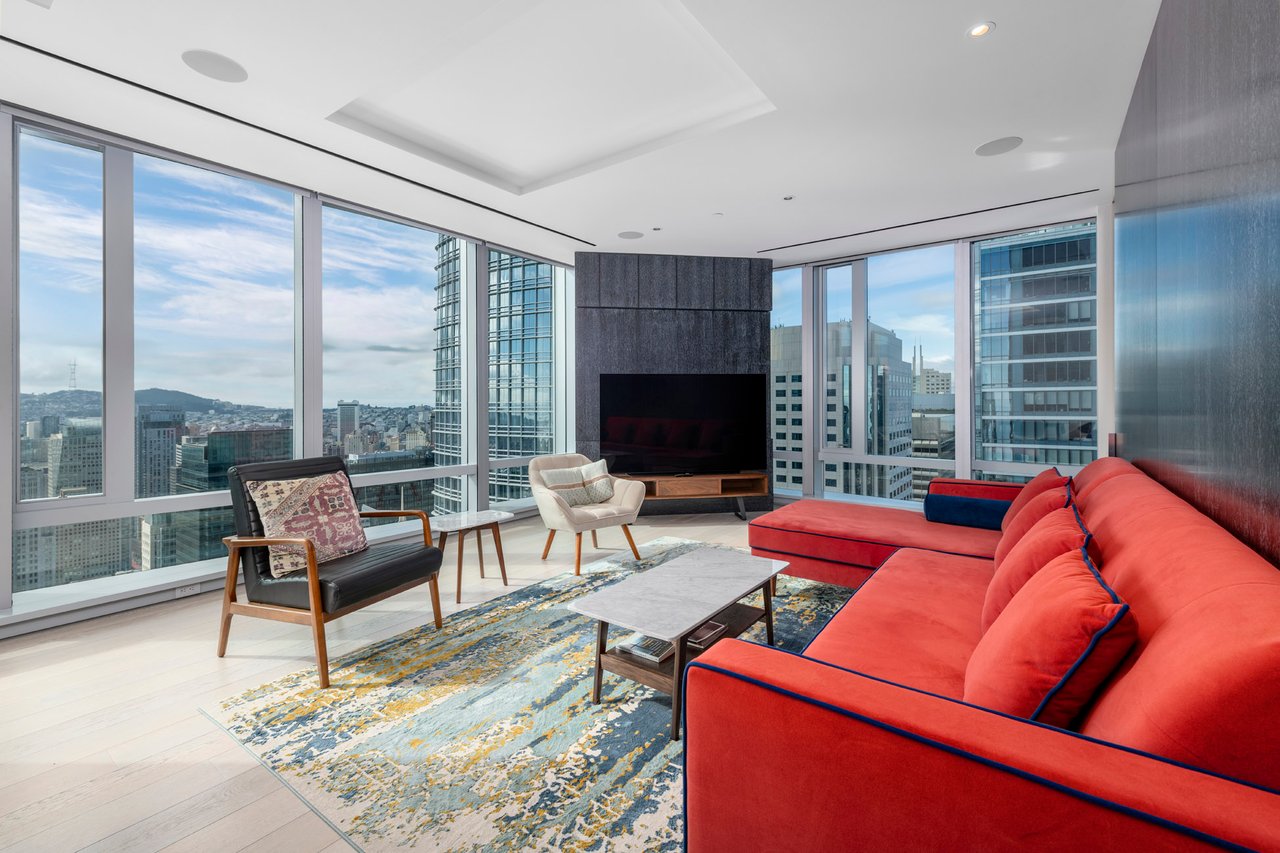
Two extraordinary homes, the same money, and no obvious answer. The question I ask buyers is not which one they prefer. It is which one they will never get another sho… Read more
Price per square foot is the number most sellers glance at and almost no one reads correctly. It measures your address, not your house.

A renovation can change almost everything about a house. It can change nothing about what sits outside the front door. How to read permanence across San Francisco.
San Francisco is still building. That is not what makes the finest homes scarce. The scarcity is happening in how fast the existing ones are absorbed.

Two homes, the same price, one with the view of a lifetime, one with the room to live. Here’s the framework I use to help a buyer choose, and what people actually regr… Read more
In a market this fast, days on market tells you more about your leverage than the asking price ever will, if you know how to read it.
The signals that tell you where a neighborhood is headed are the ones a listing never shows. Here’s how to read them.
Maximize Your Real Estate Potential