The List Price Is a Starting Line, Not the Price
Shalini Sadda
Shalini Sadda
Key Takeaways
In the first half of 2026, 144 San Francisco homes sold for at least $1 million over asking, compared with just eight in the same stretch a year earlier.
At the top of the market, a list price is increasingly a strategic entry point built to attract competition, not a ceiling that predicts the sale.
City home prices are up roughly 22% year over year, and well-prepared homes are trading in a matter of weeks.
The buyers who win read the number behind the number: recent comparable sales, and how much competition a home is engineered to attract.
Being capital-ready before you find the home, not after, is what separates the buyer who acts from the buyer who watches.
For a long time, a list price in San Francisco did roughly what you’d expect it to do. It told you what a home cost, gave you a ceiling to negotiate under, and set the terms of the conversation. If you’re shopping at the top of this market today and you’re still reading the number that way, you’re already a step behind.
Here is what changed. In the first six months of this year, 144 homes in San Francisco sold for at least a million dollars over their asking price.1 That figure stood at eight over the same period last year, and six the year before that. This is not a rounding error or a handful of trophy sales skewing an average. It is a structural shift in how the market discovers what a home is worth, and it has quietly rewritten what a list price means.
The mechanics are simpler than they look. When inventory is scarce and demand is concentrated, the most effective way to establish what a home is worth is not to guess at the ceiling. It is to set an approachable number and let qualified buyers compete their way up to the real one. A well-chosen list price today is designed to draw a crowd. It is a starting line, not a finish line. The homes where this plays out most dramatically are the move-in-ready ones in the pockets where demand pools deepest, and with citywide prices up about 22% over last year,2 that competition has only intensified.
So the instinct to anchor your thinking to the list price, to treat it as the fact and your offer as a discount or a modest premium on top of it, is exactly the instinct that costs disciplined buyers the homes they actually want. The list price is the least reliable number in the entire transaction. It tells you where the conversation begins. It tells you almost nothing about where it ends.
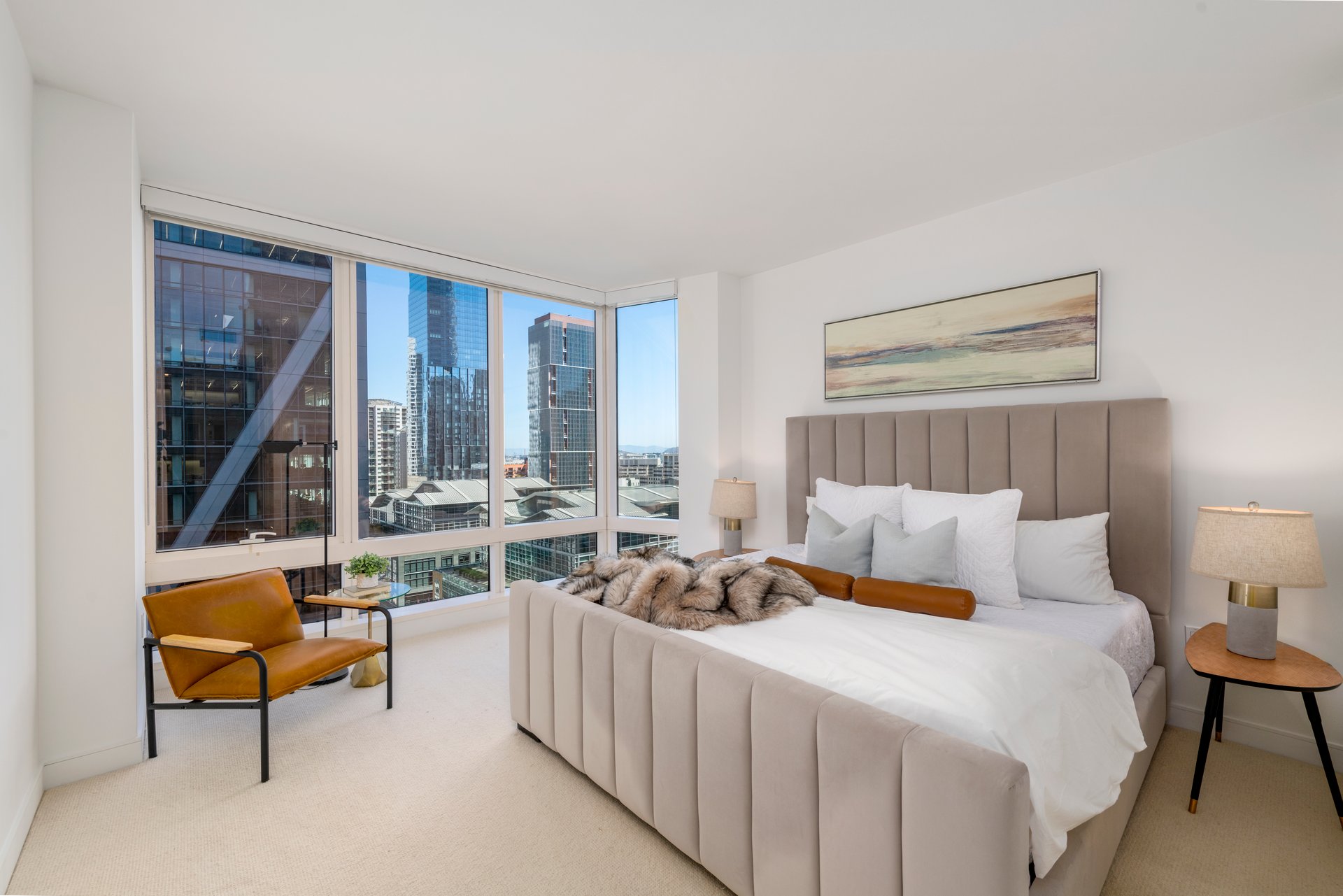
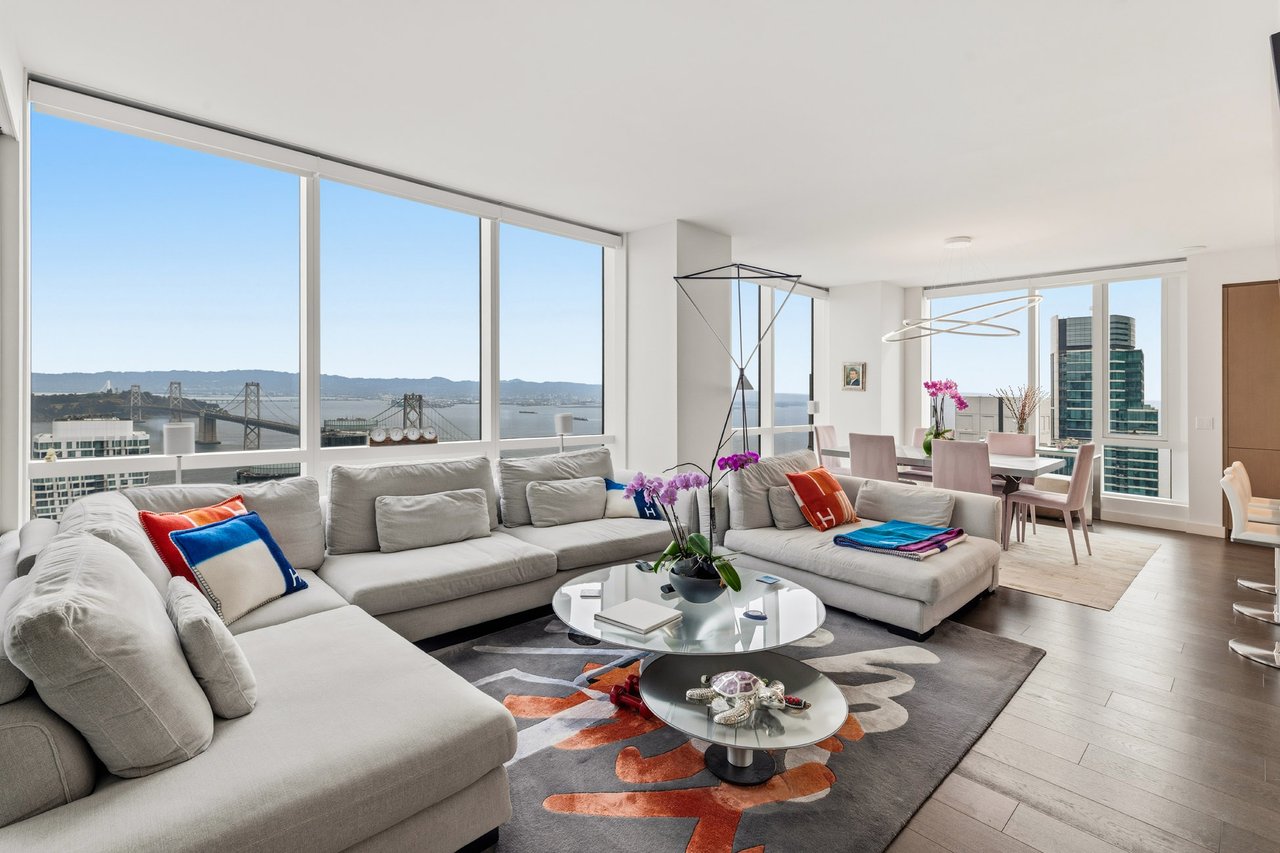
The Primary Bedroom at 301 Mission
What the number behind the number actually is
If the list price isn’t the price, something has to be. That something is a combination of three things you can read before you ever write an offer.
The first is recent comparable sales: not what similar homes listed for, but what they closed at, and how far above their asking those closings landed. In a market moving this fast, comps from even a few months ago can understate today’s reality, so recency matters as much as similarity.
The second is the sale-to-list pattern on the specific kind of home you want. A protected-view property in tight supply behaves differently from a home that needs work. Knowing the typical spread between list and sale for your category tells you far more about your true competition than any single listing does.
The third is the home’s own design. Some listings are priced to sit. Many more are priced to spark a bidding environment. Learning to tell the difference, to see when a number is engineered to attract a room full of buyers, is one of the most valuable skills you can bring to this market, and it is most of what I do for the buyers I represent.
"When the asking price is a starting line, the buyer who wins isn’t the one willing to spend the most. It’s the one who understood the real number before anyone else in the room." - Shalini Sadda
Why preparation beats budget
Here’s the part that surprises people. At this level, the deciding advantage is rarely the size of the check. It’s readiness. When a home surfaces, sometimes before it ever reaches the open market, the offer that lands is the one that is already credible: proof of funds in hand, financing pre-underwritten, a clear decision framework in place before emotion enters the room.
That preparation is what lets you read a list price for what it is and respond with conviction instead of hesitation. The buyer who has done that work sees an approachable number and recognizes the opportunity. The buyer who hasn’t sees the same number, assumes it’s the price, and is stunned when the home closes far above it. Same listing. Two completely different outcomes, decided long before either buyer walked through the door.
The market will keep testing the old assumptions. Prices, pace, and the gap between list and sale can all move faster than the headlines catch up to. The advantage belongs to the buyer who stops reading the list price as a fact and starts reading it as a signal, and who is ready to act the moment the right home appears.
That is the shift. The real question was never what a home is listed for. It is what the room is willing to pay for it, and whether you are prepared to be the one who understood that first.
Frequently Asked Questions
Why do San Francisco homes list below what they sell for?
At the luxury level, many list prices are set as strategic entry points to draw multiple qualified buyers and let competition establish the price. This is why the final number can land far above the list, especially on well-prepared homes in tight-inventory pockets.
How far over asking are SF luxury homes actually selling?
In the first half of 2026, 144 homes sold at least $1 million over asking, versus eight in the same period a year earlier.1 The gap is widest on well-prepared homes where demand concentrates.
How should a buyer decide what to offer?
Anchor to recent comparable sales and the sale-to-list pattern for that type of home, not the list price itself. Then bring capital readiness, proof of funds and financing lined up, so your offer is credible the instant you make it.
Sources
1. The Real Deal, “144 San Francisco homes sell for $1 million over asking,” July 2026.
2. The San Francisco Standard, “San Francisco ‘hyper-bidding’ home sales,” July 2026.
Stay up to date on the latest real estate trends.
Two extraordinary homes, the same money, and no obvious answer. The question I ask buyers is not which one they prefer. It is which one they will never get another sho… Read more
Price per square foot is the number most sellers glance at and almost no one reads correctly. It measures your address, not your house.

A renovation can change almost everything about a house. It can change nothing about what sits outside the front door. How to read permanence across San Francisco.
San Francisco is still building. That is not what makes the finest homes scarce. The scarcity is happening in how fast the existing ones are absorbed.
Two homes, the same price, one with the view of a lifetime, one with the room to live. Here’s the framework I use to help a buyer choose, and what people actually regr… Read more
In a market this fast, days on market tells you more about your leverage than the asking price ever will, if you know how to read it.
The signals that tell you where a neighborhood is headed are the ones a listing never shows. Here’s how to read them.
In today’s San Francisco market, the number on the listing was never the real number. Here’s how to read what a home will actually take.
A strong market won't sell your home for you—positioning it for the right buyer is what wins.
Maximize Your Real Estate Potential