The Signals a Listing Never Shows: How to Read a San Francisco Neighborhood
Shalini Sadda
Shalini Sadda
Key Takeaways
A listing describes a house. It tells you almost nothing about the neighborhood. And in San Francisco, the neighborhood is the part that endures.
The signals that predict where demand holds are the ones you can’t see on a listing: light and microclimate, the texture of daily life on foot, and how long people actually stay.
With citywide inventory scarce and prices up roughly 22% over last year, demand is concentrating in a small set of pockets, which makes reading location the real edge.
Low turnover is a buy signal, not a red flag. When people plant roots for decades, homes rarely come up, and when they do, they move fast.
The question that matters isn’t whether a home is beautiful. It’s whether people will still want to be on that block in ten years.
Every listing is built to sell you on the house. The light in the photos, the finishes, the square footage: all of it points inward, at the four walls. And the four walls matter. But in this city, they aren’t the part that holds up over time. The neighborhood is. You can renovate a kitchen. You can’t move a home into a better pocket of San Francisco.
So when I walk a buyer through a home, I’m usually paying attention to everything the listing left out, because the signals that tell you where a neighborhood is really headed are almost never the ones printed on the page.
Start with something most people never think to check: the light. San Francisco has a microclimate map that shifts block by block. One neighborhood sits under a gray ceiling for weeks while another, minutes away, stays bright. That isn’t a small thing. Sun is one of the quiet reasons certain pockets hold their appeal decade after decade, and it’s exactly the kind of durable advantage a buyer feels the moment they stand there, and that a listing photo can flatten completely.
Then walk it. Not during the open house, but on an ordinary weekday. What’s actually reachable on foot? Is there a real main street where people run into each other, or is it a place you drive out of to do anything? In San Francisco, walkability tracks closely with how well homes hold their footing. It’s less a lifestyle nicety than a durability signal. The texture of daily life is what separates a neighborhood people pass through from one they settle into, and the pockets that hold up are the ones people don’t want to leave.
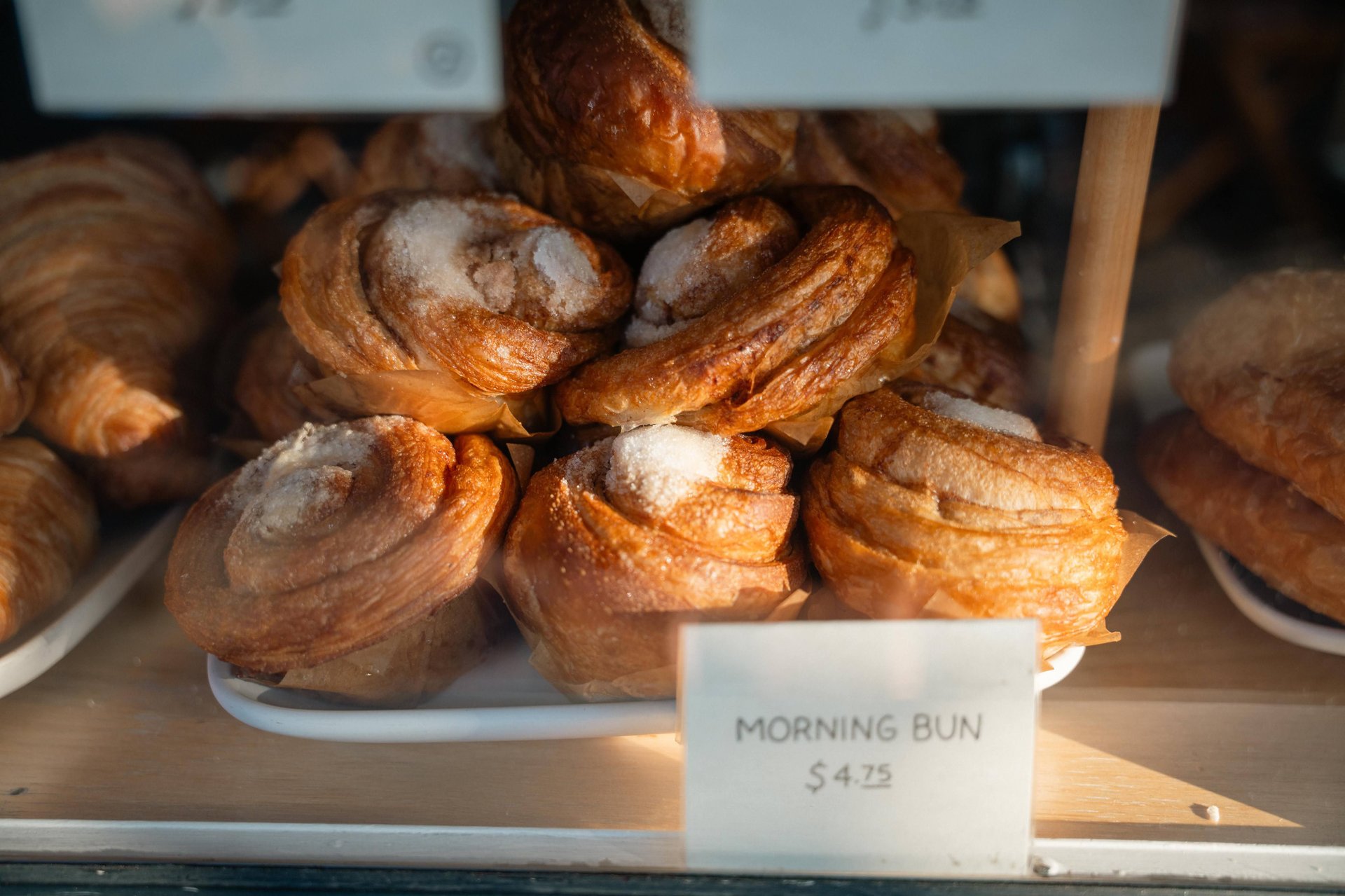
Tartine Bakery Remains a Cornerstone of The Mission Neighborhood
There are smaller tells, too, once you know to look for them. A neighborhood full of long-standing independent shops (the bakery that’s been there twenty years, the corner spot everyone knows by name) is a neighborhood with a stable base of people keeping it alive. Businesses like that don’t survive in places people are cycling through. They’re a sign of a community that’s staying put, and communities that stay put are the ones whose homes stay wanted.
Which brings me to the signal buyers most often misread: turnover. When you’re looking in a neighborhood and almost nothing comes up for sale, that can feel like a problem. It’s the opposite. Low turnover means people plant themselves there for decades, not years. That loyalty is what keeps demand high and supply thin. Homes in those places are scarce because the people who own them don’t want to give them up.
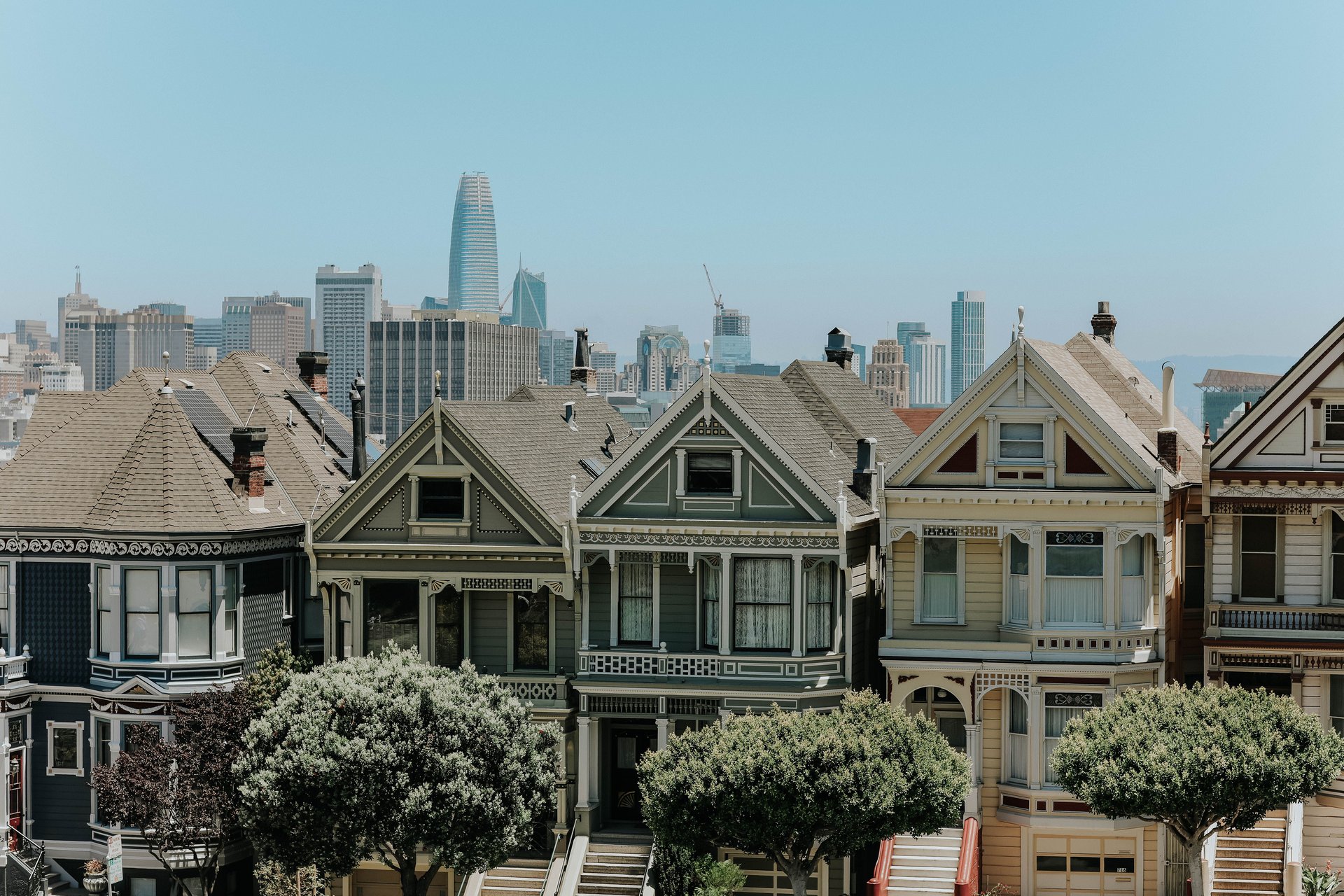
The Iconic Painted Ladies (or Seven Sisters) Overlooking Alamo Square Park
Here’s why that matters more right now than it has in a long time. Inventory across San Francisco is tight, and prices are up roughly 22% over last year, with luxury homes leading the way.1 And demand isn’t spreading evenly across the city. It’s concentrating in a handful of pockets where buyers most want to be.2 When supply is this thin and demand is this focused, the neighborhoods with durable, built-in demand are where competition is fiercest and where a home is most likely to keep its footing through whatever the market does next. Reading location correctly stops being a nicety and becomes the entire edge.
And in those neighborhoods, homes move on a different clock. When something finally comes up, it goes quickly, not because the market is frantic, but because the people who wanted in have usually been watching a long time. In the tightest pockets, the rarest openings never reach the public market at all: homes change hands quietly, before a sign ever goes up. It’s why off-market access matters so much here. The buyers who win are plugged in long before a listing appears. That quiet line of buyers waiting for a rare opening is one of the truest signals there is.
There’s a financial logic to this, not just a lifestyle one. In a market that’s climbing, almost everything rises. The real test of a neighborhood is what happens when the market doesn’t cooperate, and the pockets where people have planted roots are the ones that hold their ground when the tide goes out, precisely because the demand there was never speculative. People weren’t buying to flip. They were buying to stay.
None of this shows up in a listing. You find it by spending time: standing on the corner at eight in the morning and again at six, noticing who’s out, watching how long the few homes that do appear actually last before they’re gone, paying attention to who’s staying rather than just who’s arriving. That’s the work I do before I ever talk to a buyer about an offer, because by the time you’re deciding what to bid, the neighborhood question should already be settled.
"A listing tells you what a home is. The neighborhood tells you whether people will still want to be there in ten years. And that’s the part you can’t renovate your way into." - Shalini Sadda
So when a buyer asks me whether a home is a good buy, I rarely start with the home. I start with the block, the light, the walk, and the question underneath all of them: is this a place people plant themselves, or a place they pass through? Get that right, and the house has a foundation that holds. Get it wrong, and no amount of square footage makes up for it.
The listing will always tell you what a home looks like today. Learning to read the neighborhood is how you know what it will be worth caring about tomorrow.
Frequently Asked Questions
What should I look at in a neighborhood beyond the home itself?
Focus on the durable signals a listing can’t show: light and microclimate, walkable daily life, and how long people actually stay. These predict which pockets hold up far better than any single home does.
Why do some San Francisco neighborhoods hold up better than others?
The ones where people plant roots for decades have low turnover, so demand builds while supply stays scarce. When a home finally comes up there, it moves fast because buyers have been waiting for the opening.
How can I tell if a neighborhood is right for me before buying?
Spend time there at different hours and on foot, not just during a showing. The rhythm of a place on a normal weekday tells you more about living there than an open house ever will.
Sources
1. The San Francisco Standard, “San Francisco ‘hyper-bidding’ home sales,” July 2026.
2. The Real Deal, “144 San Francisco homes sell for $1 million over asking,” July 2026.
Stay up to date on the latest real estate trends.

A renovation can change almost everything about a house. It can change nothing about what sits outside the front door. How to read permanence across San Francisco.
San Francisco is still building. That is not what makes the finest homes scarce. The scarcity is happening in how fast the existing ones are absorbed.
Two homes, the same price, one with the view of a lifetime, one with the room to live. Here’s the framework I use to help a buyer choose, and what people actually regr… Read more
In a market this fast, days on market tells you more about your leverage than the asking price ever will, if you know how to read it.
The signals that tell you where a neighborhood is headed are the ones a listing never shows. Here’s how to read them.
In today’s San Francisco market, the number on the listing was never the real number. Here’s how to read what a home will actually take.
A strong market won't sell your home for you—positioning it for the right buyer is what wins.

The best homes sell in days, or never go public at all. Winning comes down to readiness and access.
Trying to decide between a condo and a single-family home in San Francisco? The right answer depends on your budget, timeline, and priorities—and the data in 2025 and … Read more
Maximize Your Real Estate Potential