Why San Francisco Luxury Homes Are Getting Rarer
Shalini Sadda
Shalini Sadda
Key Takeaways
San Francisco is still adding housing, including new luxury towers. Construction is not the constraint.
The constraint is absorption. Luxury inventory fell 15.2 percent year over year even though new luxury listings rose 15 percent over the same period.
Sellers responded to the market and the market absorbed them anyway. That is what rising rarity actually looks like.
The pattern is local. Nationally the market is in its thirty-second month of supply gains, while San Francisco inventory tightened 16 percent and county active listings fell 42 percent.
Rarity concentrates at the top. Bay Area luxury values rose while the entry tier fell, a divergence that did not exist before 2023.
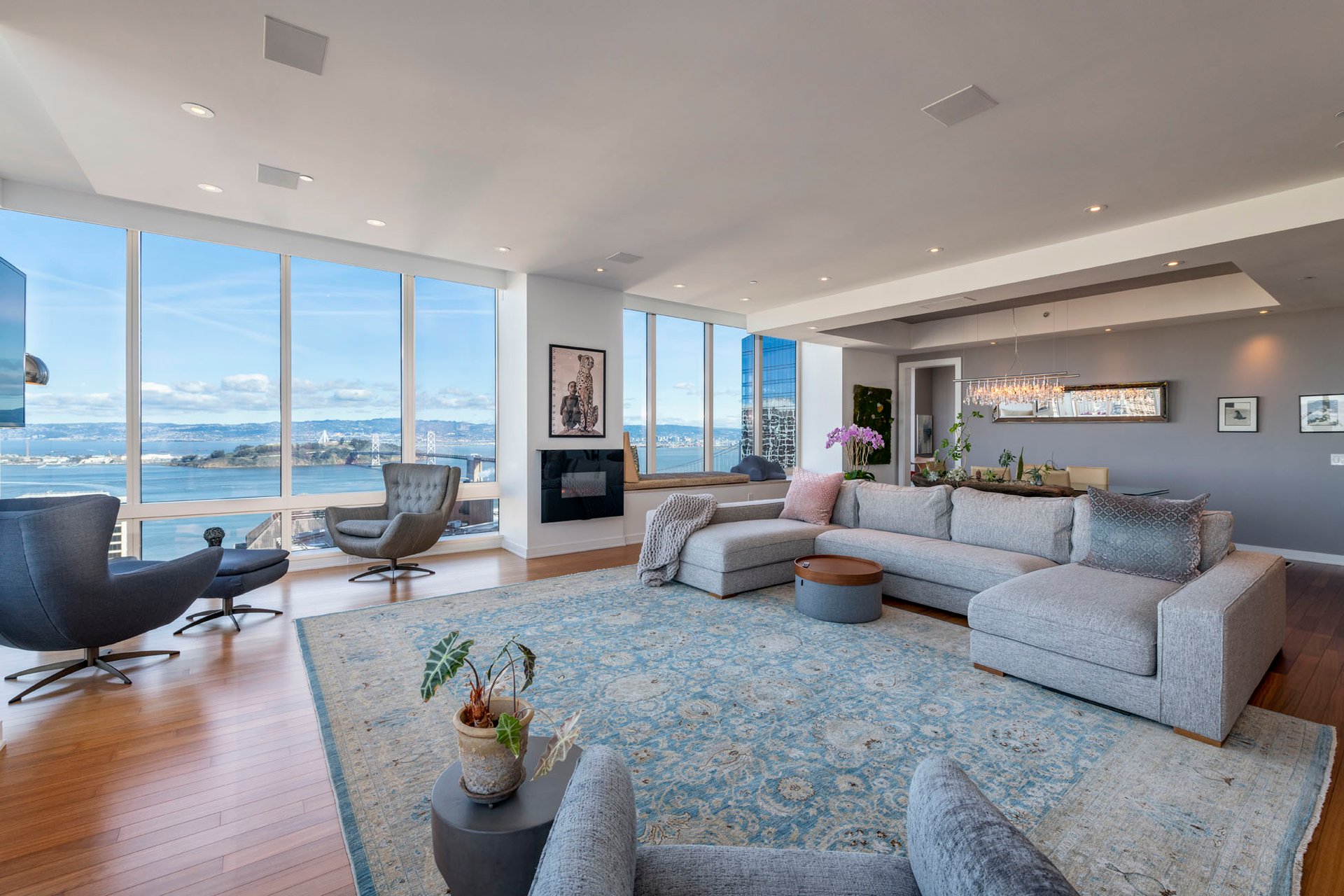
There is a version of the San Francisco scarcity argument that I hear constantly and that I want to push back on, because it is wrong and any serious buyer will know it is wrong. The claim is that this city cannot build. It can, and it does. Towers are going up. New luxury condominiums are being delivered. Anyone who has driven through the eastern neighborhoods in the past two years has watched it happen. If the case for owning here rests on the idea that nothing new gets built, the case falls apart on contact with the skyline.
The real story is more interesting, and it is about speed rather than permission. Homes are being added. They are simply being absorbed faster than they arrive, and the specific category being absorbed fastest is the one that takes decades to create: the established, finished, well-positioned luxury home.
The clearest evidence I have seen for this comes from a pair of numbers that sit right next to each other and are almost always reported apart. Over the past year, new listings of luxury homes in San Francisco rose about 15 percent as high-end owners moved to take advantage of conditions. Over that same period, the total number of luxury homes available for sale fell 15.2 percent, capping two straight years of decline.3 Read those together. More sellers came to market than the year before, and there was still less to buy at the end of it. Supply went up. Availability went down.
That is what rising rarity actually looks like, and it is a very different claim from the one people usually make. Nobody is being prevented from building. The market is simply consuming inventory faster than any pipeline can replace it.
"More sellers came to market this year than last, and there was still less to buy. That is not a construction problem. That is demand outrunning everything we can put in front of it." Shalini Sadda
The pattern is specific to this city, which is what makes it easy to miss if you are reading national coverage. The United States is currently in its thirty-second consecutive month of housing supply gains, with roughly 1.41 million homes for sale as of July. Inventory rose 19 percent in Minneapolis and 17 percent in Seattle. In San Francisco it tightened by 16 percent.1 Within California the contrast is sharper still: in May, San Francisco recorded the steepest inventory decline of all 53 counties the state tracks, with active listings down 42 percent from a year earlier.2
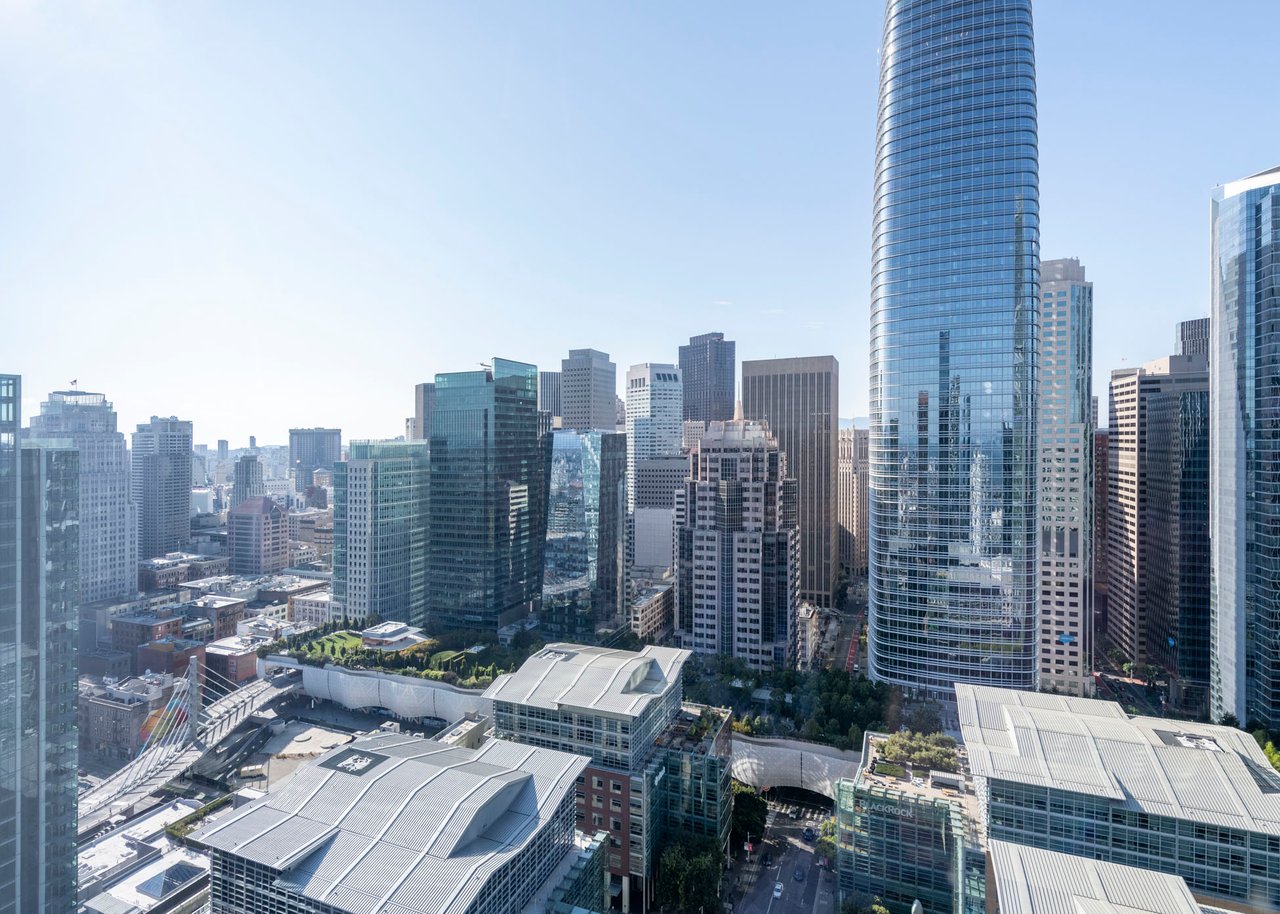
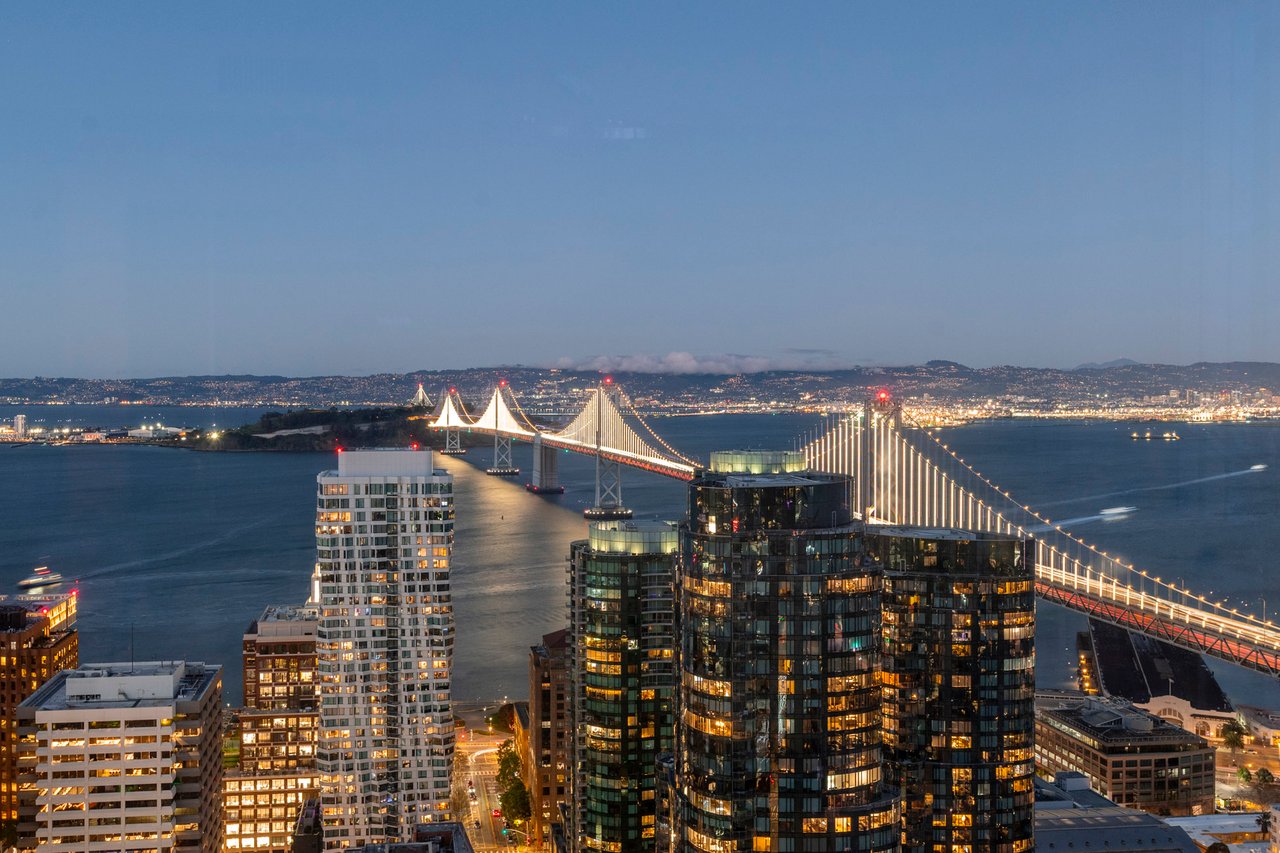
This view from 301 Mission Can Never Be Replaced
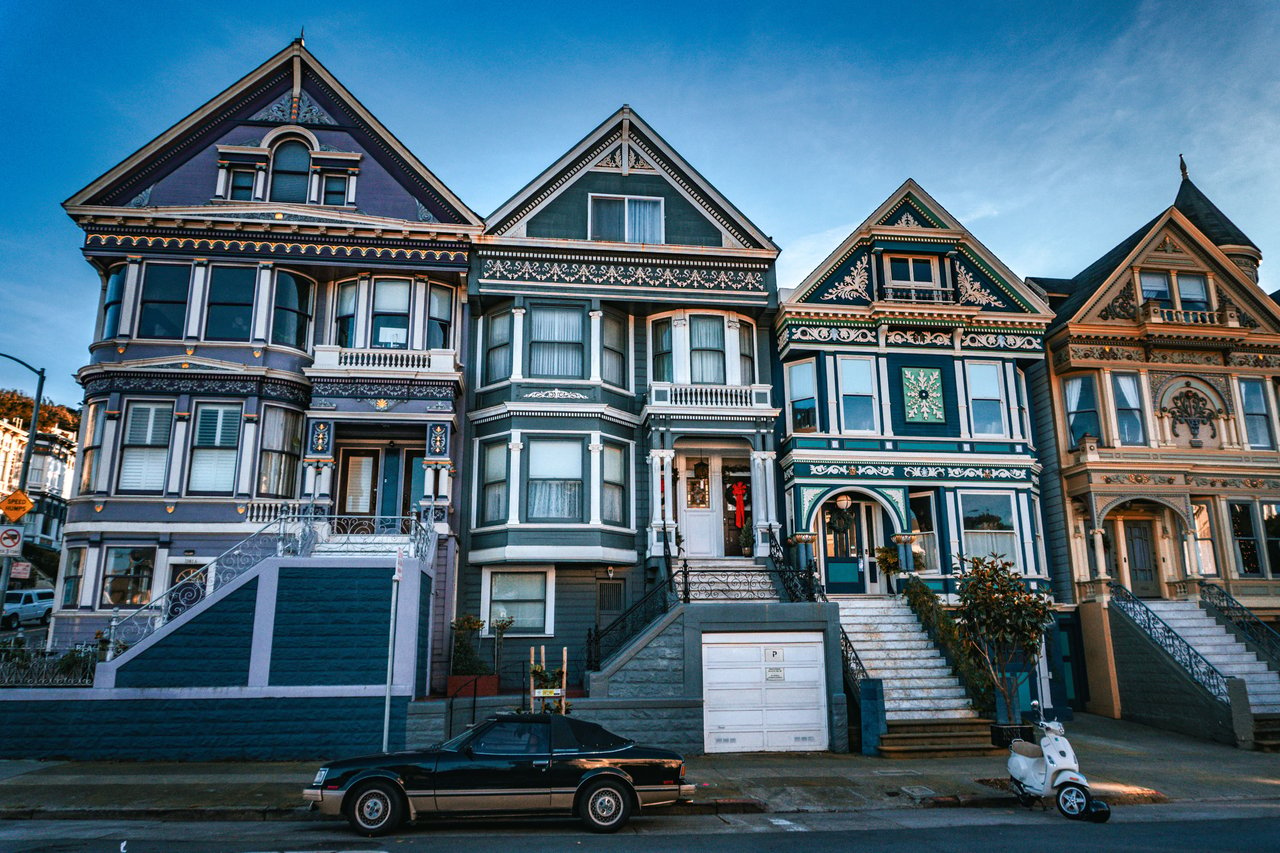
It is also worth being precise about what new construction does and does not replace. A newly delivered tower adds excellent homes, and for many buyers they are exactly right. What it does not add is a hundred-year-old house on an established block with mature trees, protected outlook, and a footprint that current code would not permit anyone to build again. Those two things both appear in the luxury category and they are not substitutes for one another. When people say the finest homes are getting rarer, this is the category they mean, and no amount of vertical construction replenishes it.
You can watch the effect land in price. San Francisco’s median house price reached a record $2.15 million in March, up 18 percent in a single year, with condominium prices climbing 27 percent.4 By May the county median had reached $2.2 million, a 22.2 percent annual gain and the largest of any county in California.2 And the gains are not spread evenly. Between 2020 and 2022, Bay Area price growth ran at roughly 20 percent across every segment, top to bottom.5 Today the market has split, with luxury values climbing while the most affordable tier declines.5 Scarcity is concentrating, and it is concentrating exactly where the irreplaceable homes are.
For an owner, the practical translation is about the comparison set rather than the calendar. You are not competing against the tower going up across town, because the buyer looking at your home was very likely never choosing between the two. You are competing against a small and shrinking number of genuinely comparable properties, and that number has been getting smaller for two consecutive years while more sellers, not fewer, have been coming to market.
That dynamic is also why so much of the top of this market never reaches a public listing at all. When qualified inventory is this thin and qualified demand is this deep, transactions often complete through relationships before an audience is ever required. I have written about what off-market listings mean for buyers and sellers, and rapid absorption is the mechanism underneath it. Scarce assets get transacted quietly.
None of this means a home sells itself, and I would not want an owner to read it that way. Favorable conditions do not price your home, prepare it, or position it. I have watched well-presented homes clear numbers that would have been unthinkable three years ago while overpriced ones sat through the same market. That is why I pay close attention to what the pace of the market is actually telling sellers. The advantage is real, but it has to be claimed.
So when an owner asks whether now is the moment, I try to reframe what they are holding. You do not simply own a house. You own one of a shrinking number of homes in a category that the city is not replacing, in a market that has absorbed everything put in front of it for two years running. Understanding that changes how you price, how you prepare, and how you negotiate. It is the difference between hoping the market treats you well and knowing exactly why it should.
Frequently Asked Questions
Isn’t San Francisco building plenty of new luxury housing?
Yes, and that is the point often missed. New construction continues, but existing luxury inventory still fell 15.2 percent year over year because homes are being absorbed faster than they are added.
If new listings rose, why does inventory keep shrinking?
More high-end sellers came to market over the past year, yet buyers absorbed those homes and more besides. Availability is determined by the balance between arrivals and absorption, not by listing volume alone.
Does new construction compete with an established luxury home?
Rarely in a direct way, because a new tower residence and a period home on an established block attract different buyers. The comparison set for a distinctive older home is usually very small and has been shrinking.
Sources
1. Zillow, Housing Market Trends for Fall and Winter 2026, August 2026.
2. California Association of Realtors, May 2026 Home Sales and Price Report, June 2026.
3. Redfin, San Francisco’s Luxury Home Sales Jump 22% As Median Price Nears $7M, April 2026.
4. Bloomberg, San Francisco House Prices Reach Record $2.15 Million on AI Startup Wealth, April 2026.
5. Fortune, AI Is Quietly Splitting the Housing Market in Two, May 2026.
Stay up to date on the latest real estate trends.
The asking price was never the value. It was the strategy.
The smartest due diligence in San Francisco real estate starts a century before the listing.
Two extraordinary homes, the same money, and no obvious answer. The question I ask buyers is not which one they prefer. It is which one they will never get another sho… Read more
Price per square foot is the number most sellers glance at and almost no one reads correctly. It measures your address, not your house.

A renovation can change almost everything about a house. It can change nothing about what sits outside the front door. How to read permanence across San Francisco.
San Francisco is still building. That is not what makes the finest homes scarce. The scarcity is happening in how fast the existing ones are absorbed.
Two homes, the same price, one with the view of a lifetime, one with the room to live. Here’s the framework I use to help a buyer choose, and what people actually regr… Read more
In a market this fast, days on market tells you more about your leverage than the asking price ever will, if you know how to read it.
The signals that tell you where a neighborhood is headed are the ones a listing never shows. Here’s how to read them.
Maximize Your Real Estate Potential