The Number Every Seller Should Be Watching (It Isn’t the Price)
Shalini Sadda
Shalini Sadda
Most sellers I sit down with want to talk about one number first: the price. It’s the natural place to start, and I understand the instinct. But it’s not the number I look at first. The one I watch is how long homes are actually taking to sell, and right now, that number is telling one of the most striking stories I’ve seen in this market in years.
Here it is. The typical San Francisco luxury home now goes under contract in a median of just 12 days, down from 28 a year ago, and the fastest pace of any major U.S. metro.1 Nearly two out of every three high-end homes that sold recently went under contract within their first two weeks.1 High-end sales are up more than 22% over last year, with luxury prices climbing even as the rest of the market holds flat.1 Competition for the few available homes has intensified into open bidding.2 This isn’t simply a strong market. It’s a market moving at a sprint.
That’s why time, not price, is the number I trust. The price is what you hope to get; time is what the market is actually telling you. When homes are closing in twelve days, buyers have no room to wait, deliberate, or slowly chip away at your position. The clock does the negotiating for you. Think of it simply: in a twelve-day market, a buyer who hesitates loses the home; in a ninety-day market, a buyer who hesitates gets a discount. The clock decides who holds the upper hand. So if you want an honest read on where you stand as a seller, don’t study the asking prices around you. Study how fast comparable homes are actually closing.
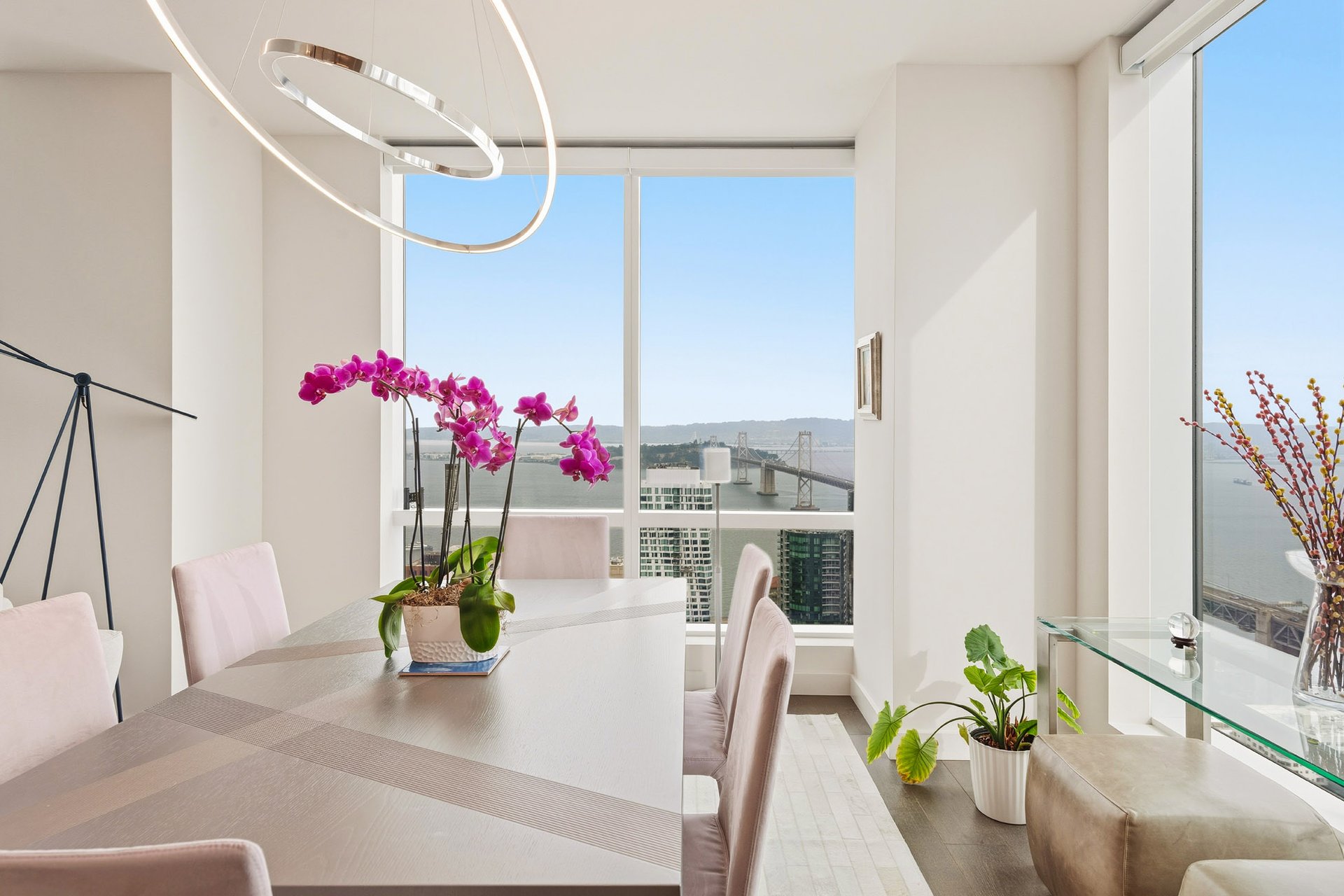
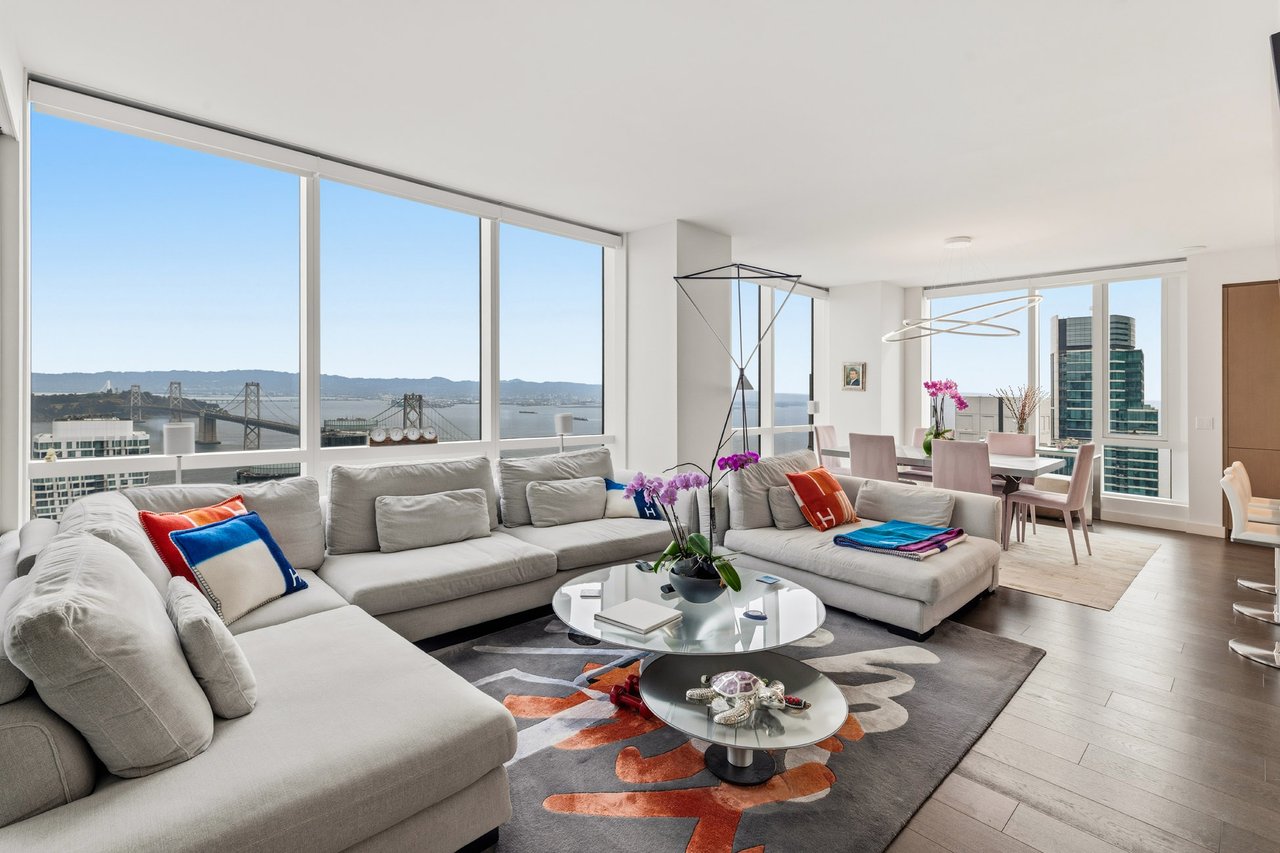
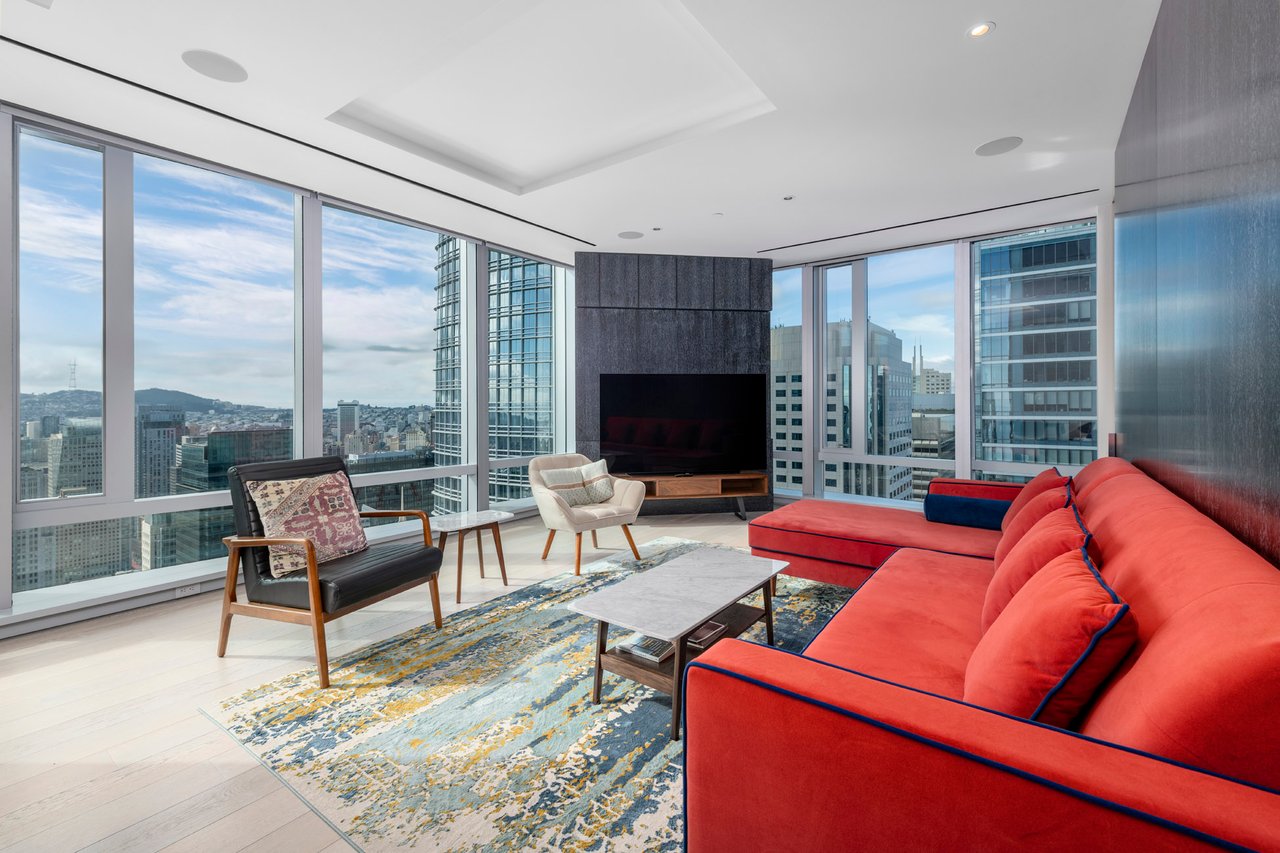
What are you willing pay for this breathtaking view?
But here is the part most sellers miss, and it’s the one that matters most. Speed is an average, not a promise. That twelve-day figure describes the homes that were priced right and truly ready for the market. It is not a guarantee that any home will sell in twelve days. Averages stay quiet about the homes that sat. And in a market moving this fast, sitting is far more expensive than it used to be.
Because buyers read days on market, too. When everything around a listing is going under contract in two weeks and yours is still available on day thirty, buyers don’t think they’ve found a hidden gem. They assume something is wrong. A stale listing in a fast market invites exactly the doubt and the low offers you were trying to avoid, which is why pricing correctly from the very first day matters more now, not less. The same speed that rewards prepared sellers punishes unprepared ones twice as hard.
The most painful version of this is the price reduction. A home launches too high, the first two weeks pass without the offers the seller expected, and now the only lever left is cutting the price, in full view of every buyer watching. A reduction on a listing that has already been sitting doesn’t read as a deal; it reads as confirmation that the doubts were right. You end up chasing the market down instead of letting it lift you up, and the final number is almost always lower than if the home had been priced to move from the start.
So the market is handing sellers a real opportunity, but only to the ones who earn it. Earning it comes down to three things I work through with every seller before a home ever goes live: pricing it to create competition, preparing it so it looks effortless from the very first photograph, and launching it with a plan that concentrates attention in those decisive first two weeks.
And speed and price aren’t a trade-off here. That’s the part sellers often have backwards. In this market, the fastest sales and the strongest prices are usually the same sales. The home that sells in twelve days isn’t the one priced cheaply to move quickly; it’s the one prepared and positioned so well that competition drove both the pace and the final number. Fast is not the opposite of high. Right now, fast is how you get high.
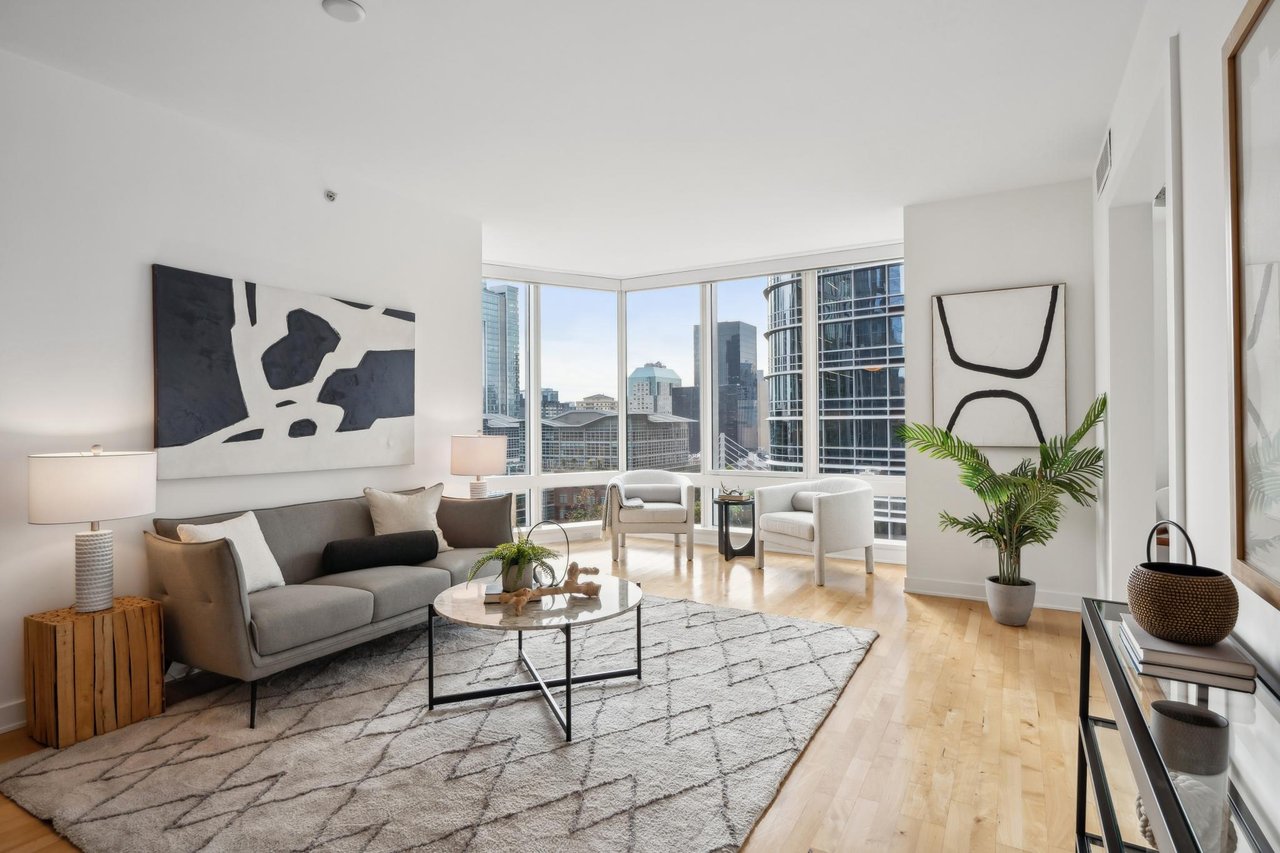
Price and preparation were the strategy at 488 Folsom
On price, the counterintuitive truth of this market is that the right number is rarely the highest one. It’s the one that draws a crowd. A home priced to invite competition routinely closes above a home priced to “leave room,” because a room full of motivated buyers sets a ceiling no single appraiser ever could. Pricing to spark a bidding environment isn’t leaving money on the table; it’s how you find the real number.
On preparation, the homes that sell in twelve days almost always look effortless. And that effortlessness is engineered. Staging, light, photography, and the small repairs that answer a buyer’s objection before they can voice it: these are the details that move a luxury home fast. Buyers in a quick market decide on feel, and feel is built long before the listing goes live.
And on timing, the first two weeks are everything. A listing’s attention is front-loaded: the largest, most motivated pool of buyers sees it in those opening days, and that window doesn’t come back. The plan to capture it has to be ready before you launch, not improvised once the momentum has already slipped away.
"Price is what you hope to get. Time is what the market is actually telling you. And right now, it’s telling prepared sellers the door is wide open." - Shalini Sadda
So when a seller asks me what their home is worth, I start somewhere else entirely: how fast are comparable homes closing, and is yours ready to be one of them? Answer those two questions well, and the price tends to take care of itself. The market is offering sellers a rare edge right now. The ones who win it aren’t the ones who set the boldest asking price. They’re the ones who are ready to meet the moment.
Frequently Asked Questions
What’s the most important number for a seller to watch right now?
Days on market: how fast comparable homes are actually going under contract. In San Francisco’s luxury tier that median is currently 12 days, down from 28 a year ago, which signals unusually strong seller leverage.
Does a fast market mean my home will sell quickly no matter what?
No. The 12-day figure is an average of homes that were priced and prepared to move. A mispriced or unprepared home can still sit, and sitting in a fast market invites buyer doubt and weaker offers.
How do I make sure my home sells fast and for a strong price?
Price it to create competition, prepare it so it shows at its best from the first photo, and launch with a plan that concentrates attention in the first two weeks. That front-loaded momentum is what turns a fast market into a strong result.
Sources
1. Redfin, “San Francisco’s Luxury Home Sales Jump 22% As Median Price Nears $7M,” 2026.
2. The San Francisco Standard, “San Francisco ‘hyper-bidding’ home sales,” July 2026.
Stay up to date on the latest real estate trends.
The asking price was never the value. It was the strategy.
The smartest due diligence in San Francisco real estate starts a century before the listing.
Two extraordinary homes, the same money, and no obvious answer. The question I ask buyers is not which one they prefer. It is which one they will never get another sho… Read more
Price per square foot is the number most sellers glance at and almost no one reads correctly. It measures your address, not your house.

A renovation can change almost everything about a house. It can change nothing about what sits outside the front door. How to read permanence across San Francisco.

San Francisco is still building. That is not what makes the finest homes scarce. The scarcity is happening in how fast the existing ones are absorbed.

Two homes, the same price, one with the view of a lifetime, one with the room to live. Here’s the framework I use to help a buyer choose, and what people actually regr… Read more
In a market this fast, days on market tells you more about your leverage than the asking price ever will, if you know how to read it.
The signals that tell you where a neighborhood is headed are the ones a listing never shows. Here’s how to read them.
Maximize Your Real Estate Potential