
Location vs Renovation: Buying Luxury Homes in SF
Key Takeaways
Everything inside a home can be changed. The kitchen, the layout, the finishes, even the footprint. What surrounds it cannot.
San Francisco is unusual in how much of its open space is permanently protected, and every resident lives within a ten-minute walk of a park.
The market prices permanence directly. At the very top, the homes that clear the highest numbers combine outlook, scale, and condition, and outlook is the only one of the three that cannot be built.
Local competition reflects it. San Francisco homes have been closing well above final asking price while the national average sits below it.
The practical test for a buyer: separate what a renovation could fix from what no amount of money could change.
When a buyer walks me through what they want, they almost always start inside the house. The number of bedrooms. Whether the kitchen has been done. How the light falls in the primary suite. These are reasonable things to care about, and I never dismiss them. But I have learned to gently redirect the conversation early, because the list they are reciting is, almost entirely, a list of things that can be changed.
A kitchen can be replaced. A floor plan can be reworked. Walls come down, systems get modernized, an unremarkable house becomes a beautiful one. It costs money and it costs time, but it is possible, and in San Francisco it happens constantly. What cannot be changed, at any price, by any architect, is what sits outside the front door. The park across the street. The protected ridge that keeps the view open. The block that will never be redeveloped because there is nothing left to develop. That is what you are really buying, and it is the part most people evaluate last.
San Francisco makes this unusually easy to see, because so much of what surrounds its homes is permanently spoken for. Roughly a fifth of the city is parkland. The Presidio alone runs to about 1,500 acres of protected federal land at the northern edge. Golden Gate Park cuts more than a thousand acres straight through the western half. Add the Bay, the ocean, and the ridgelines, and a striking amount of this city consists of land that has been taken off the table for good. San Francisco is the only large American city where every single resident lives within a ten-minute walk of a park, and it has held that distinction for years.1
None of that is a lifestyle detail. It is the supply side of your future view, and it has already been settled by decisions made long before you started looking.
"Buyers evaluate the house first and the surroundings last. The market does the opposite. It pays for what cannot be built, and it pays for it permanently." Shalini Sadda
You can watch this get priced in real time at the very top of the market. When San Francisco recorded its largest residential sale in years, a Pacific Heights home that traded privately at $56 million, the reporting identified a clear combination behind the number: outlook, scale, and condition, with views over the Bay and the Palace of Fine Arts singled out as a driver of value.2 Look at that list carefully. Two of those three things can be manufactured. You can enlarge a home. You can renovate it to an extraordinary standard. You cannot manufacture the third. The scarcest ingredient in the most expensive house in the city was the one no contractor could deliver.

A View of The Palace of Fine Arts
The same logic runs all the way down the price ladder, which is why I think it is the single most useful frame a buyer can carry. A well-known modernist residence in Pacific Heights came to market at $22.5 million, and the description leaned on a double lot with views over Alta Plaza Park and the Bay.3 The park is the reason the outlook is durable. Alta Plaza is not going to be built on. Whoever buys that house is buying a sight line with a legal guarantee attached to it.
This is also why competition here looks nothing like competition elsewhere. In one recent month, San Francisco homes closed at roughly 8.9 percent above their final asking prices, at a time when homes nationally were selling for about 1.3 percent below asking.3 Buyers are not bidding that aggressively because the houses are unusually beautiful. They are bidding that way because the positions are unusually finite, and everyone in the room understands that another one is not coming along next quarter.
So what does this mean in practice, standing in a house on a Sunday with forty minutes to form an opinion? I ask buyers to run two lists in their head. The first is everything that disappoints them and could be fixed with money. The second is everything about the setting that would still be true in twenty years no matter what they spent. Then I ask them to weigh the second list far more heavily than instinct tells them to. A dated kitchen in the right position is a solvable problem. A perfect kitchen with a neighboring lot slated for development is not.
That instinct is trainable, and a great deal of it comes from learning to read a block rather than a listing. I have written about the signals that tell you where a neighborhood is headed, because those signals are almost never in the marketing materials. Zoning, protected frontage, what is happening two streets over, how long the families on the block have stayed. That is the information that determines whether a house appreciates or merely holds.
It is also the harder half of nearly every real decision a buyer faces. Two homes, the same money, and the tradeoff sitting right there in the open. I walked through one version of that dilemma in detail in choosing between the view and the square footage, and my answer has not changed. Space can be found, bought, or built. Outlook has to be inherited.
I want to be careful not to turn this into a rule, because the right answer is personal. A family who needs a fifth bedroom needs a fifth bedroom, and no amount of protected parkland solves that. But when a buyer tells me the two homes feel equivalent and they cannot decide, the tiebreak is almost always the same. Ask which one you could recreate if you had to. Whichever one you could not, that is the one worth stretching for. Everything else, in this city, you can eventually build.
Frequently Asked Questions
How much does proximity to protected open space actually affect value?
It affects both the price and the durability of that price, because a protected boundary guarantees the outlook and the density beside a home will not change. That certainty is what buyers compete for when comparable interiors are otherwise similar.
Should I choose location over the condition of the house?
In most cases yes, because condition is a solvable problem and position is not. The exception is a genuine functional requirement, such as needed space, that the better-located home simply cannot accommodate.
How do I know whether a view is actually protected?
The answer lies in zoning, height limits, and the status of the land in the sight line, not in what you can see on the day you tour. It is worth confirming before you decide what the outlook is worth to you.
Sources
1. Trust for Public Land, 2026 ParkScore Index: San Francisco, 2026.
2. The San Francisco Standard, New Pricing Heights in Pac Heights, April 2026.
3. The Real Deal, Modern Pac Heights Manse Nestled Among Victorian Homes Hits Market for $23M, April 2026.
Stay up to date on the latest real estate trends.
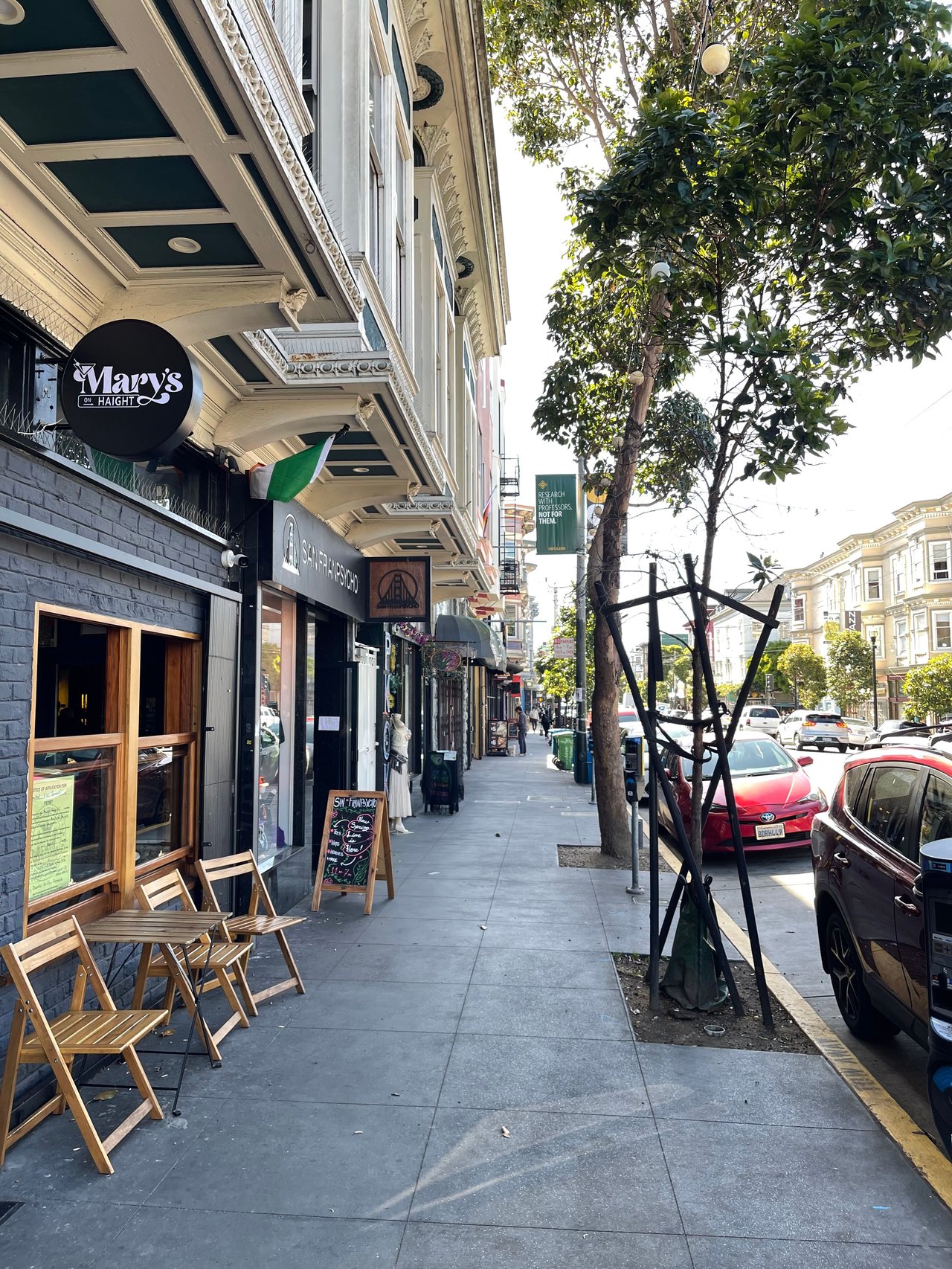
You're not just buying a home in San Francisco. You're buying the street two minutes from your front door.
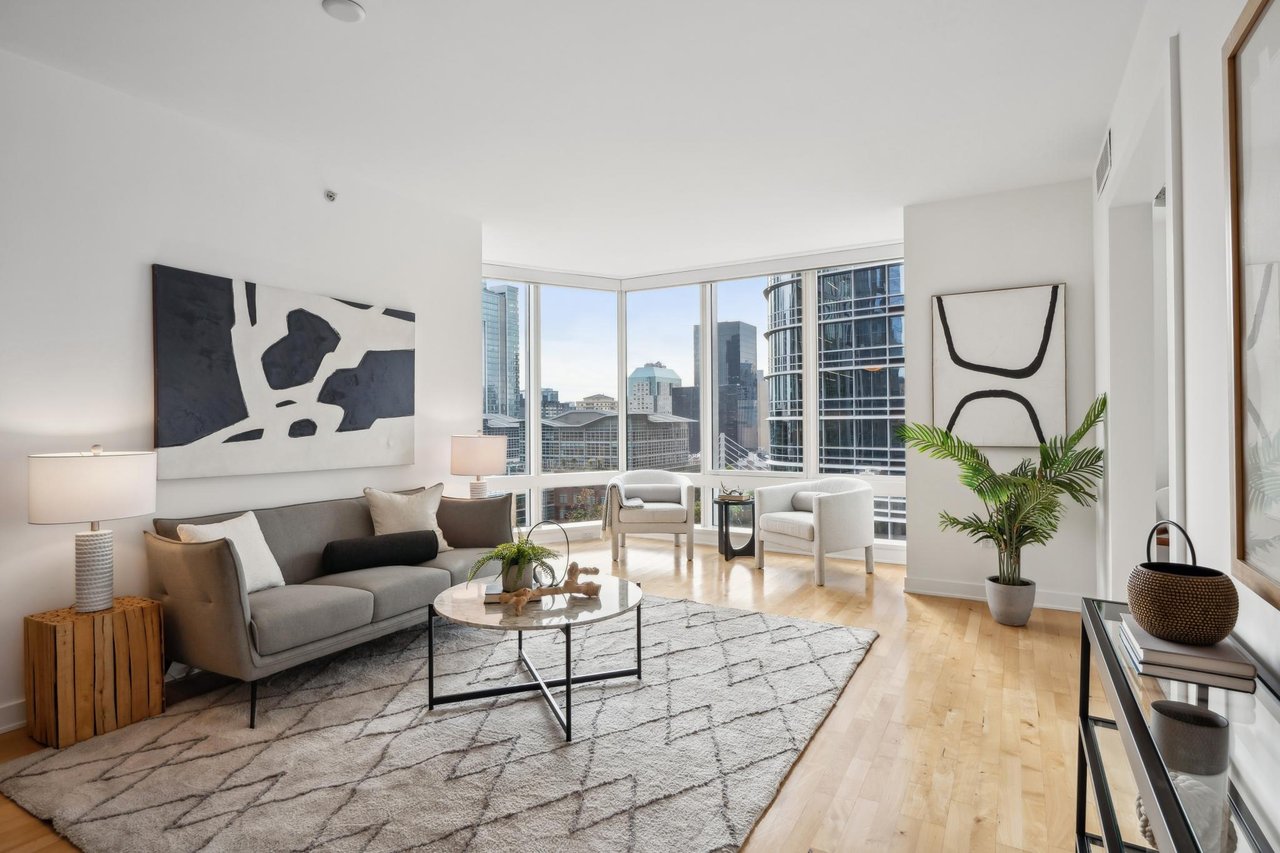
The asking price was never the value. It was the strategy.
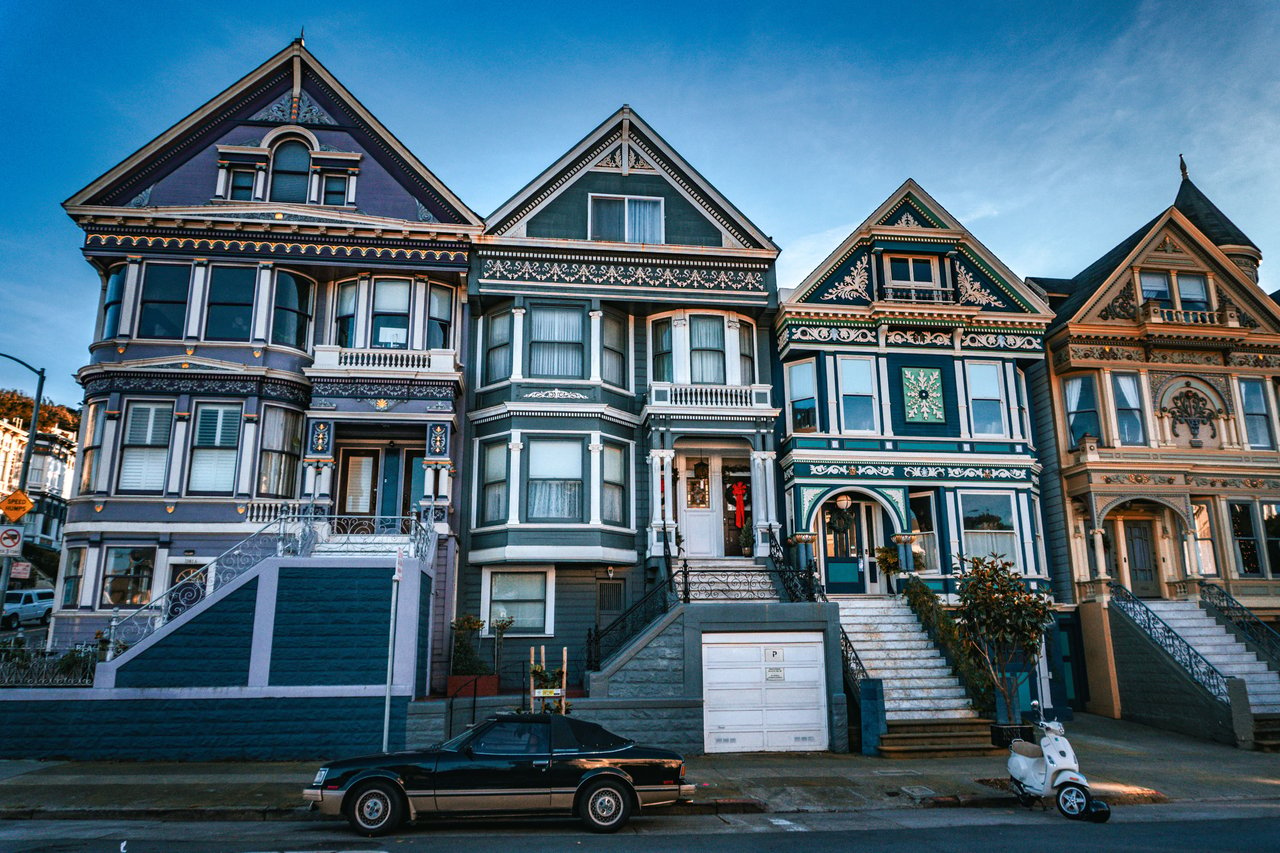
The smartest due diligence in San Francisco real estate starts a century before the listing.
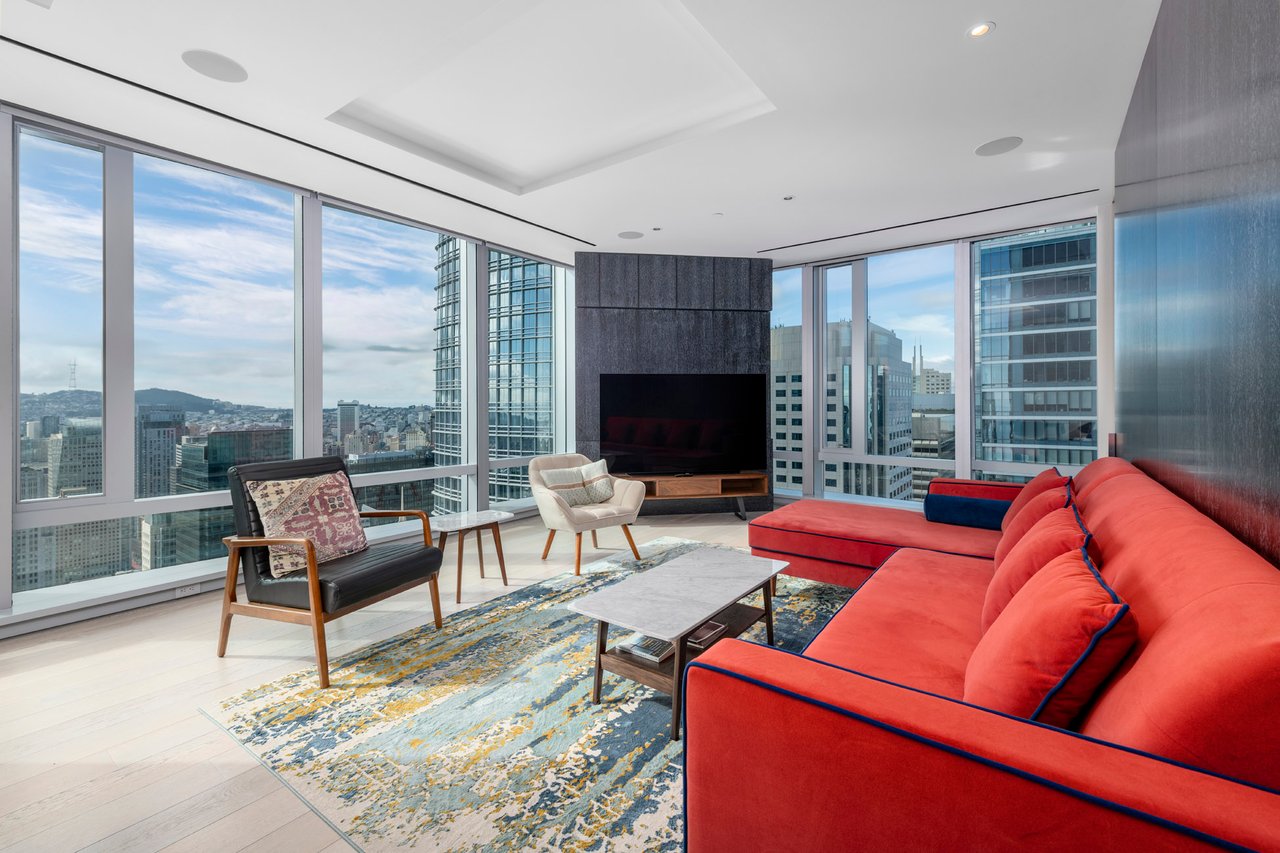
Two extraordinary homes, the same money, and no obvious answer. The question I ask buyers is not which one they prefer. It is which one they will never get another sho… Read more
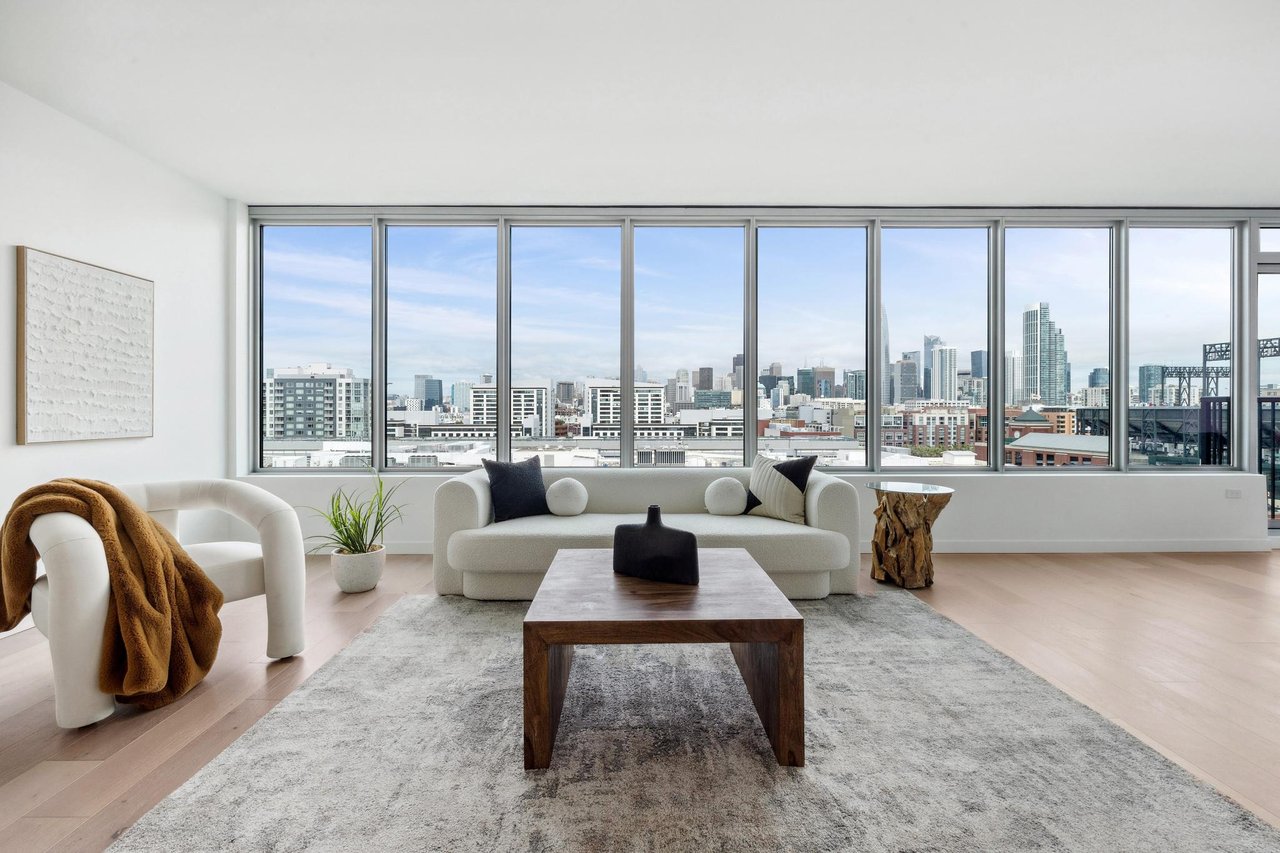
Price per square foot is the number most sellers glance at and almost no one reads correctly. It measures your address, not your house.
A renovation can change almost everything about a house. It can change nothing about what sits outside the front door. How to read permanence across San Francisco.
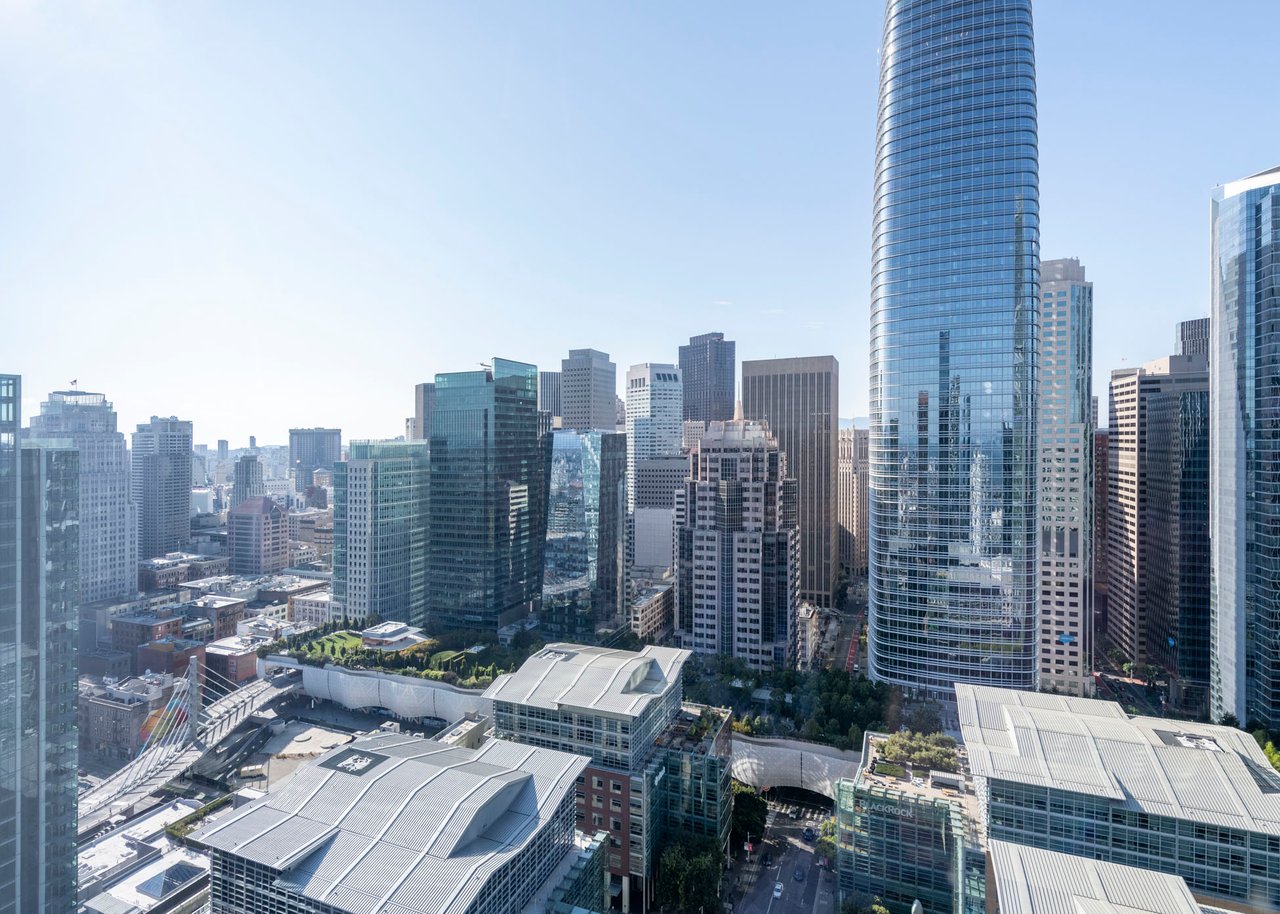
San Francisco is still building. That is not what makes the finest homes scarce. The scarcity is happening in how fast the existing ones are absorbed.
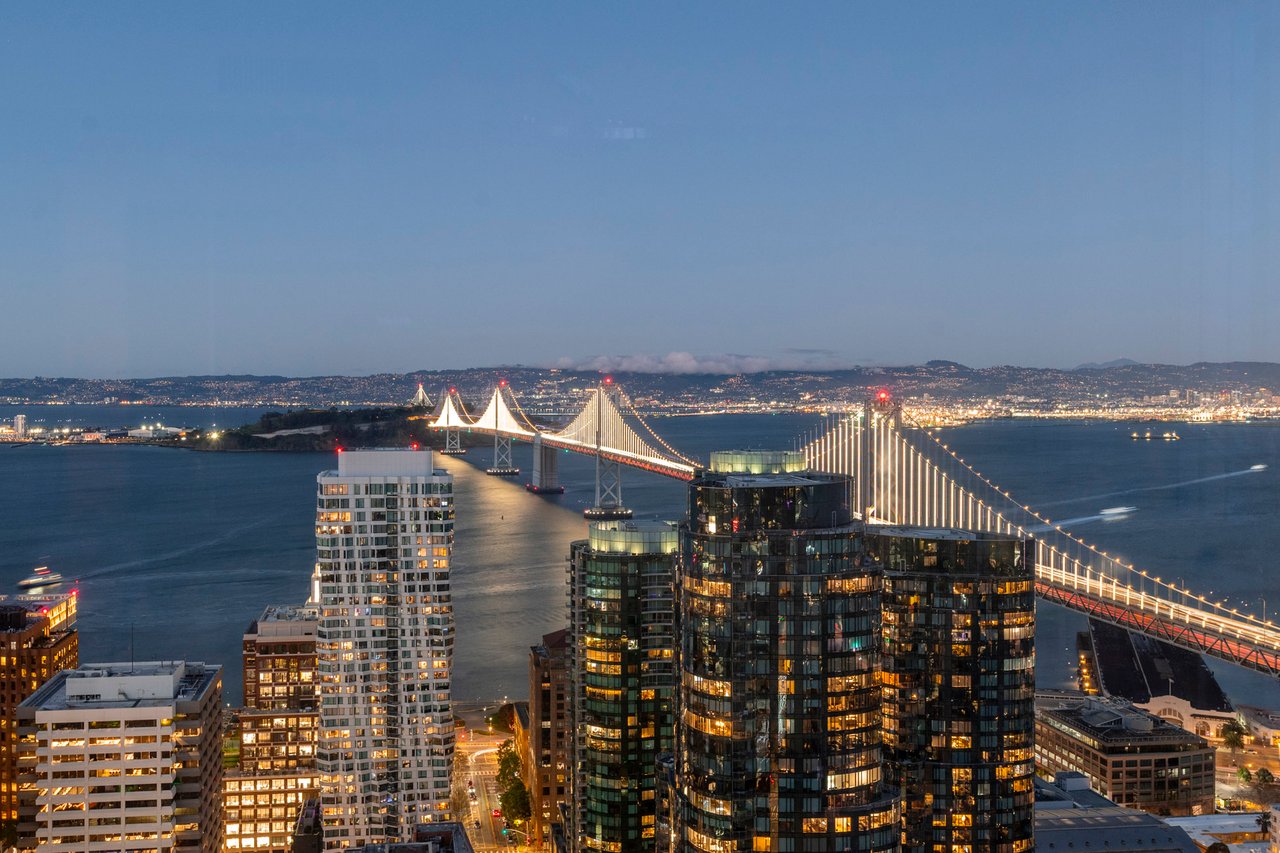
Two homes, the same price, one with the view of a lifetime, one with the room to live. Here’s the framework I use to help a buyer choose, and what people actually regr… Read more
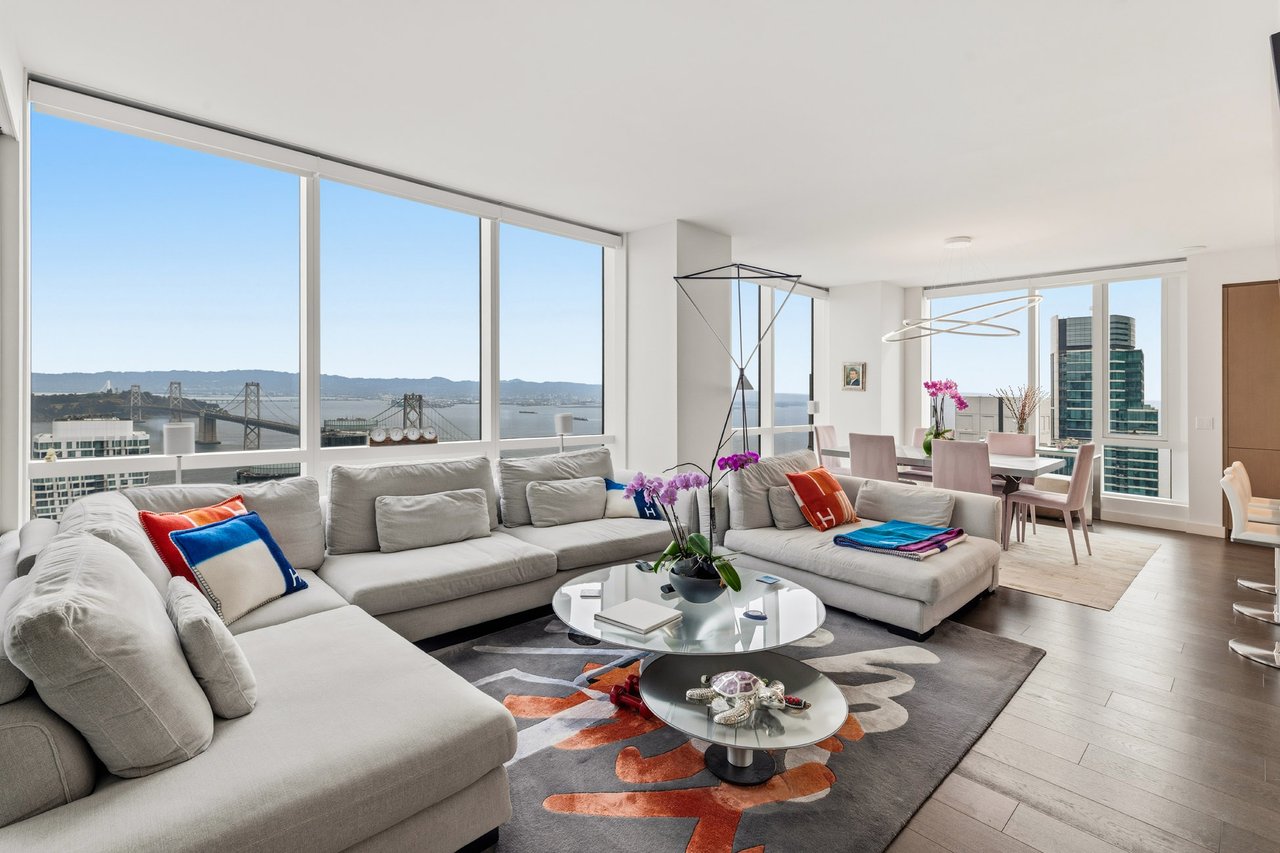
In a market this fast, days on market tells you more about your leverage than the asking price ever will, if you know how to read it.
Maximize Your Real Estate Potential