San Francisco Price Per Square Foot: A Seller's Guide
Shalini Sadda
Shalini Sadda
Key Takeaways
Price per square foot is not a measure of a house. It is a measure of where the house stands.
The citywide San Francisco figure sits near $1,140 and has climbed close to 17 percent in a year. In the strongest pockets, the finest homes have been trading at roughly four times that.
The gap between those two numbers is the location premium, and it is the single most misread figure in a listing appraisal.
Compared internationally, San Francisco still looks inexpensive. London and Hong Kong routinely clear $5,000 a square foot at the top of their markets.
For a seller, the practical question is not what the city average is. It is which number your home is actually being compared against.
Almost every seller I meet has looked up a price per square foot before we sit down. It is the most accessible number in real estate, it appears on every listing portal, and it feels satisfyingly objective. Divide the sale price by the size of the house and you get a clean figure you can hold up against your neighbor’s. I understand the appeal. I also think it is the number most often misread in this entire business.
Here is the problem. People treat price per square foot as though it describes the house. It does not. It describes the ground the house is standing on. Two homes of identical construction, identical finish, identical age, sited two miles apart in San Francisco, will produce wildly different figures. Nothing about the buildings explains the gap. Everything about their addresses does.
The scale of that gap in this city is genuinely difficult to believe until you see it laid out. Across San Francisco, the median sale price per square foot currently sits at about $1,140, up close to 17 percent over the past year.1 The San Francisco Standard has reported that in the strongest pockets, including Pacific Heights and Presidio Heights, the finest homes have been trading at roughly $5,000 a square foot, against a citywide single-family figure of nearly $1,200 that itself climbed almost 14 percent.2 That is a multiple of four, inside the boundaries of one small city, for the same unit of measurement.
So when a seller tells me their home should be worth the city average, I have to ask the more useful question first. Which city are we talking about? Because functionally there are several of them stacked inside forty-seven square miles, and they price like different countries.
"Price per square foot does not tell you what your house is worth. It tells you what your address is worth. Those are different questions, and only one of them is negotiable." Shalini Sadda
What makes this more than a curiosity is that the premium is not fixed. It moves, and right now it is moving in one direction. San Francisco has been running near the top of the national tables, ranked second for price growth among the forty largest markets in the country and first in California.3 Citywide, the median sale price reached $1.7 million and homes have been receiving an average of four offers and going under contract in roughly fourteen days.1 In individual pockets the movement is sharper still. Sea Cliff medians rose close to 25 percent year over year.2
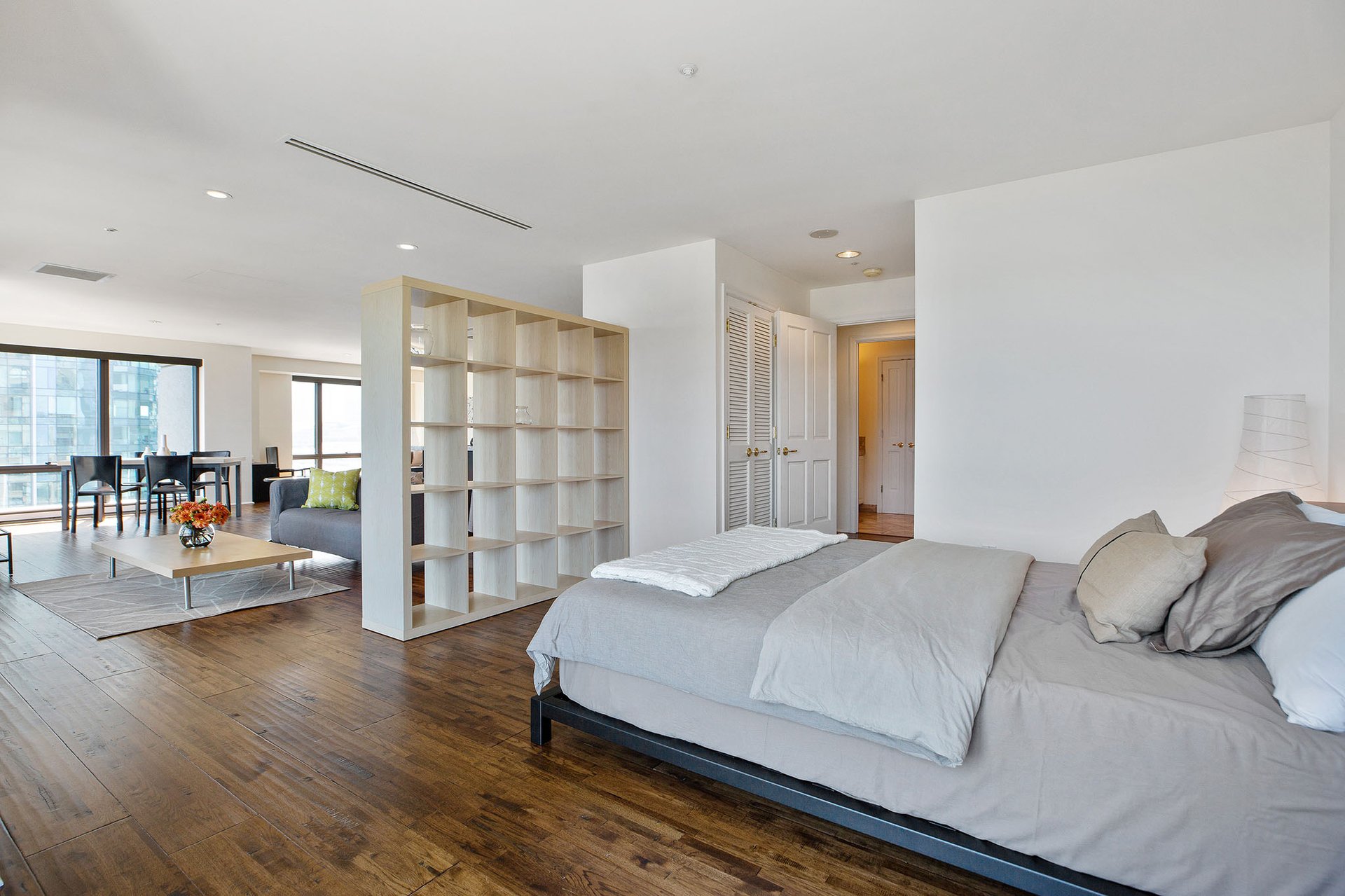
75 Folsom Street Open Floor Plan
There is also a perspective that rarely reaches sellers in this city, and I think it belongs in the conversation. Measured against the other markets that global buyers actually consider, San Francisco is not expensive. In London and Hong Kong, prime homes regularly transact above $5,000 a square foot, and both cities share the same underlying condition we do: severely constrained land and a deep pool of wealthy buyers.4 Our top of market is only now reaching a level those cities have sustained for years. That is context worth having when someone tells you a number sounds too high.
The practical consequence for a seller is about comparables, and this is where I see real money won and lost. If your home sits in one of the premium pockets and it gets appraised or priced against a citywide average, you are being measured with the wrong instrument. The correct comparison set is often very small, sometimes only a handful of homes, and identifying it correctly is most of the work. It is also why I am wary of pricing conversations that start with a formula. A formula will hand you the median. The median is precisely the number your home is not.
This is closely related to something I have written about before, which is that the list price is a starting line rather than the price. Price per square foot works the same way. It is an input, not a verdict. It tells you the neighborhood you are negotiating in. What happens after that depends on preparation, positioning, and how narrow the pool of genuinely comparable homes turns out to be.
None of this argues for pricing a home aspirationally. Strategy is not the same as optimism, and I have watched overpriced luxury listings sit through the strongest market this city has seen in years while a well-positioned home three blocks away closed in two weeks. The full mechanics of getting that right are worth their own conversation, and I have laid out the framework in the seller’s strategic pricing playbook. The point here is narrower. Before you can price strategically, you have to know which market your address actually sits in.
So my advice to any owner running the arithmetic at their kitchen table is simple. Take the number you found online and treat it as a starting hypothesis rather than a valuation. Then ask what would move it. Position, outlook, block, condition, and the specific handful of homes a serious buyer would weigh yours against. That is where the real number lives. It is rarely the one on the portal, and in this city it is very often considerably higher.
Frequently Asked Questions
Is price per square foot a reliable way to value my home?
It is a useful starting point but a poor conclusion, because it measures location more than it measures the house itself. Two comparable homes in different San Francisco neighborhoods can differ by several multiples on this figure alone.
Why is the citywide average so much lower than what luxury homes achieve?
The citywide median blends every neighborhood and property type into one figure, which pulls it well below what the strongest pockets command. The finest homes in premium areas have been trading at roughly four times the citywide number.
How do I find the right comparables for a luxury home?
The correct set is usually small, sometimes only a handful of properties, and is defined by position and outlook rather than by proximity alone. Getting that set right is the most consequential step in pricing a high-end home.
Sources
1. Redfin, San Francisco Housing Market, data through May 2026.
2. The San Francisco Standard, San Francisco Homes Selling $1M+ Over Asking Have Surged This Year, July 2026.
3. CoStar, San Francisco Housing Market, 2026.
4. The San Francisco Standard, New Pricing Heights in Pac Heights, April 2026.
Stay up to date on the latest real estate trends.
The asking price was never the value. It was the strategy.
The smartest due diligence in San Francisco real estate starts a century before the listing.
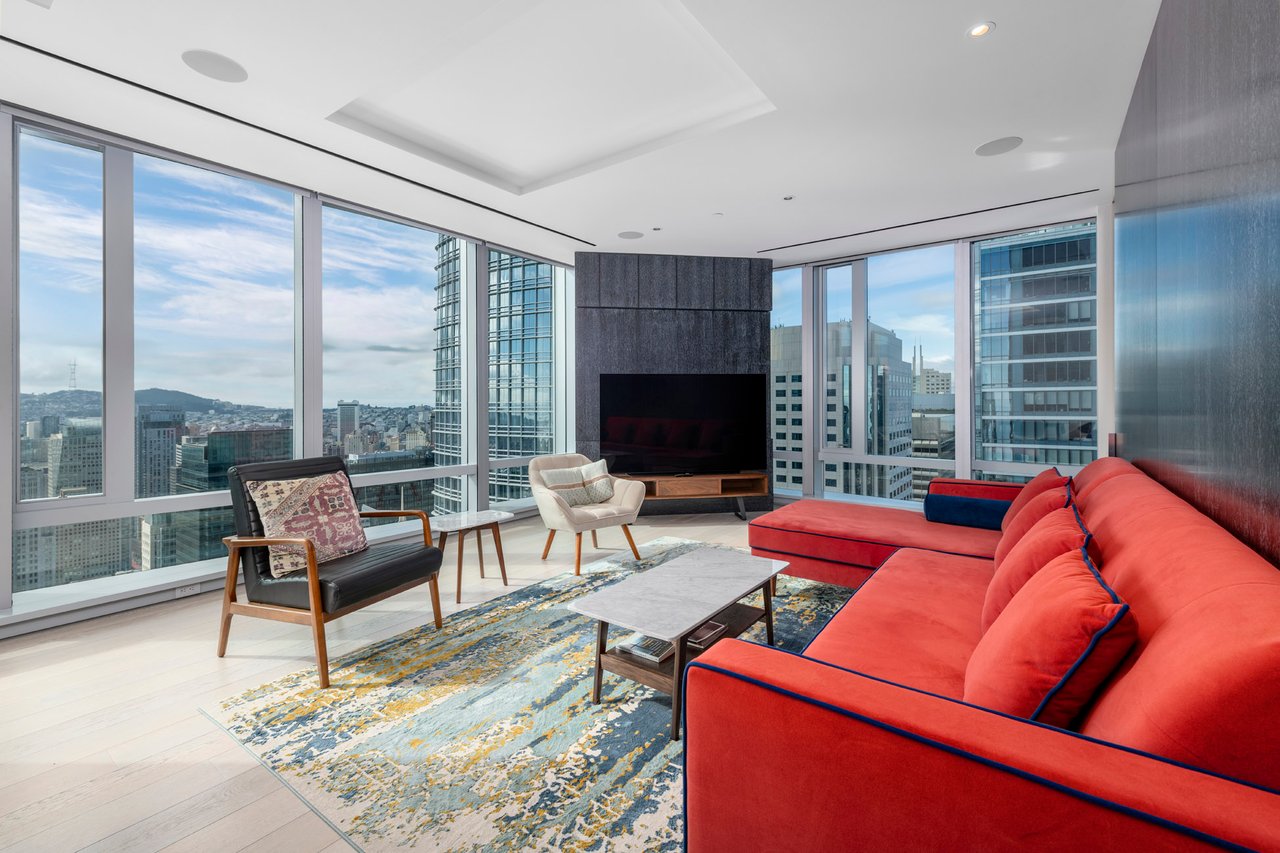
Two extraordinary homes, the same money, and no obvious answer. The question I ask buyers is not which one they prefer. It is which one they will never get another sho… Read more
Price per square foot is the number most sellers glance at and almost no one reads correctly. It measures your address, not your house.

A renovation can change almost everything about a house. It can change nothing about what sits outside the front door. How to read permanence across San Francisco.

San Francisco is still building. That is not what makes the finest homes scarce. The scarcity is happening in how fast the existing ones are absorbed.
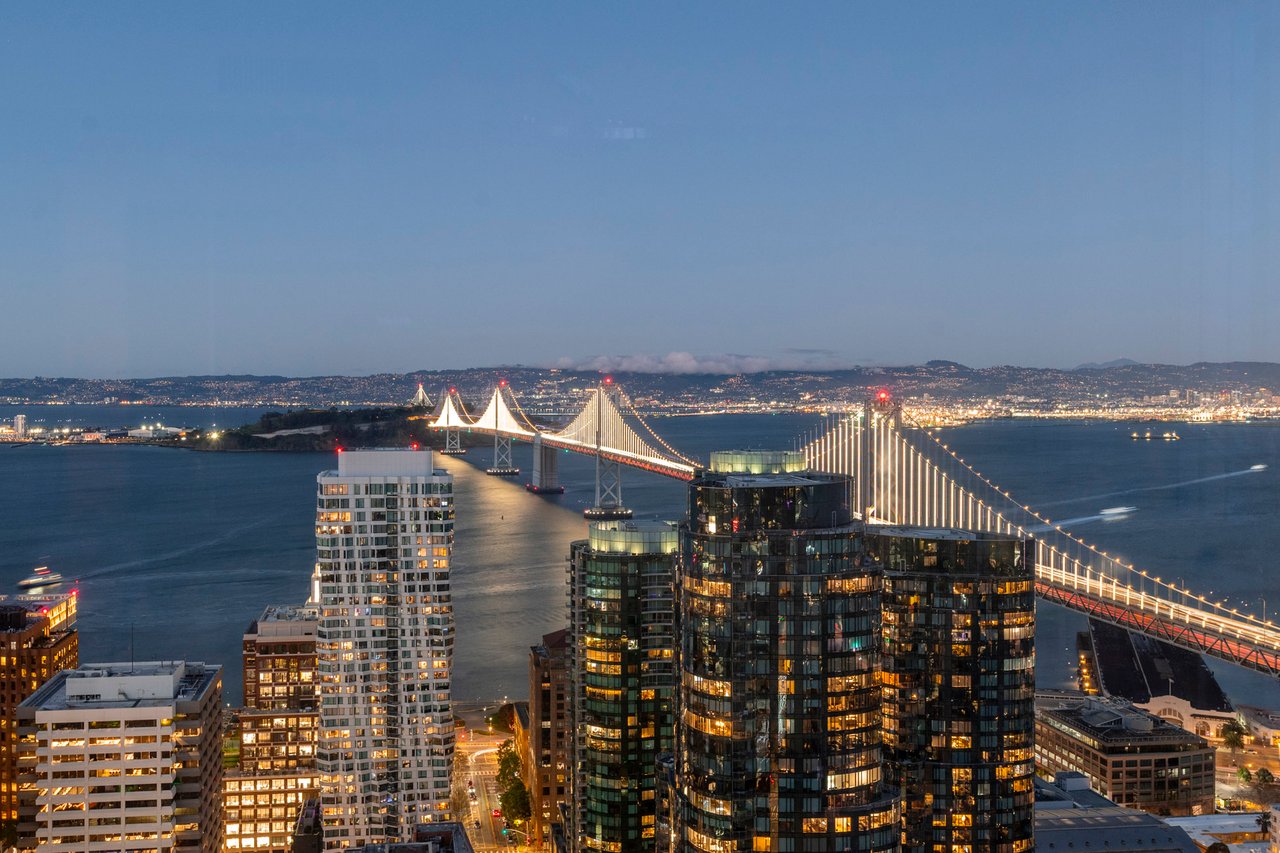
Two homes, the same price, one with the view of a lifetime, one with the room to live. Here’s the framework I use to help a buyer choose, and what people actually regr… Read more
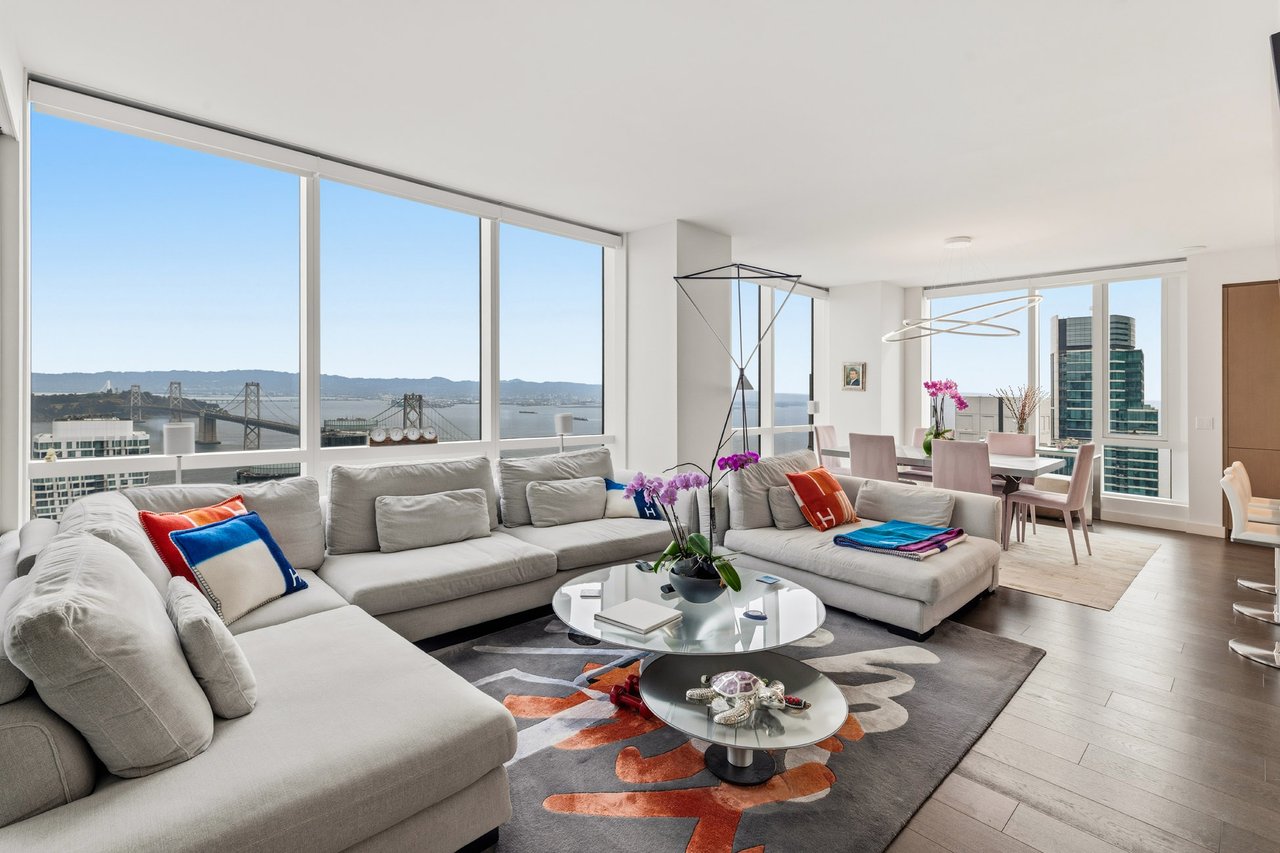
In a market this fast, days on market tells you more about your leverage than the asking price ever will, if you know how to read it.
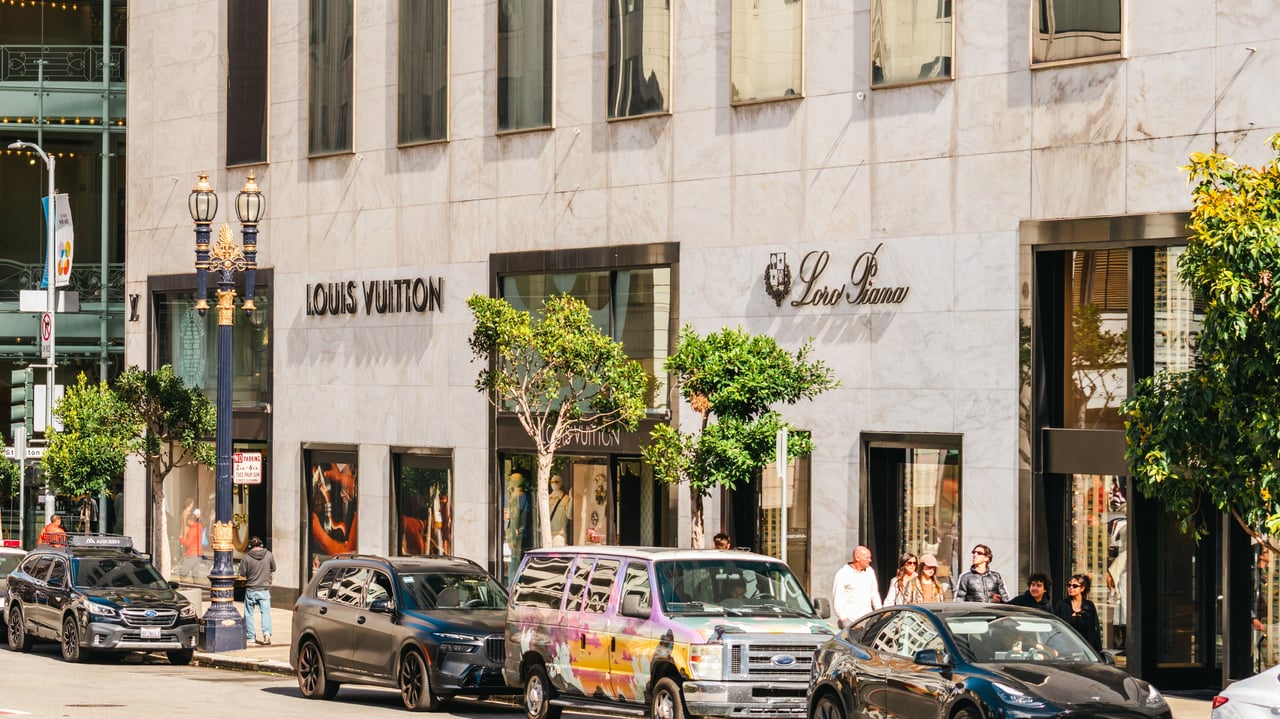
The signals that tell you where a neighborhood is headed are the ones a listing never shows. Here’s how to read them.
Maximize Your Real Estate Potential