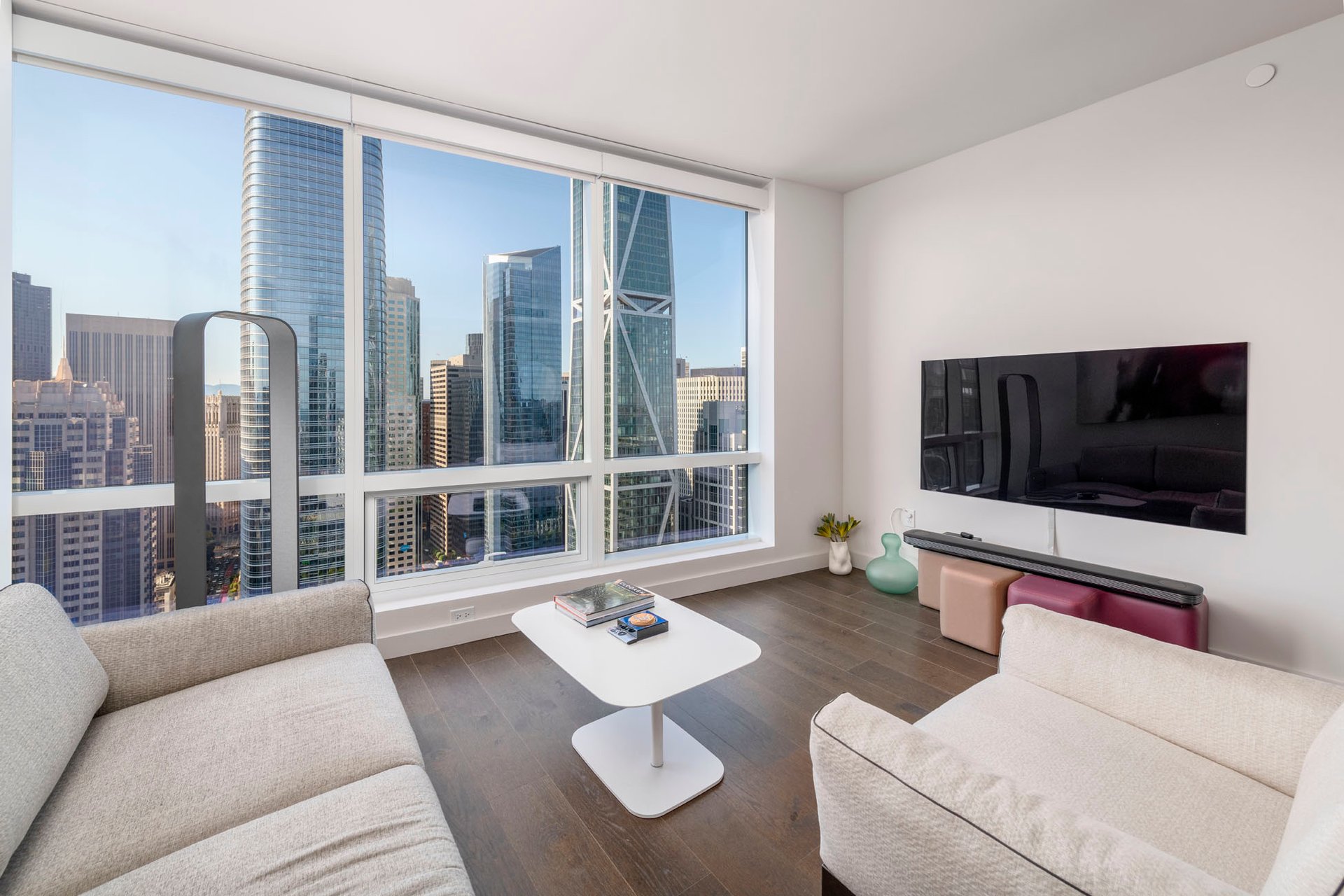
The View or the Square Footage: How to Choose When You Can’t Have Both
Key Takeaways
At the top of the San Francisco market, buyers often face two comparably priced homes (one with a rare view, one with the space), and rarely can a single home give you both.
The deciding question isn’t which you want more today. It’s which one you can never get back.
A protected view is finite and can’t be added later. Square footage and layout can sometimes be created, reconfigured, or found in the next home.
The right answer depends on how you actually live (how you host, work, and grow), not on which choice sounds more impressive.
The regret pattern is consistent: buyers rarely regret a view they use; they regret space they filled but a home that never moved them, or a view they stopped noticing.
Some of the hardest conversations I have with buyers aren’t about money. They’re about a choice money can’t settle. Two homes, the same price. One has a view that stops you at the door every evening. The other has the room your life actually needs. You can’t have both, not at this price, and in this city, often not at any price. So how do you choose? Here’s the framework I walk every buyer through.
First, understand why you’re even facing this. San Francisco is barely seven square miles of some of the most constrained, expensive real estate in the country, and at the top of the market inventory is scarce and competition is fierce.1 The home with the sweeping outlook and the generous footprint and the flawless layout does exist, but it trades rarely and at a premium that removes it from the conversation for most buyers. For nearly everyone else, the choice is real: you optimize for one thing and make peace with the other.
So here is the first question I ask, and it quietly reframes everything: which of these can you never get back? A view is finite. It’s tied to a specific window, a specific floor, a specific slice of the city that no renovation can reproduce and no budget can manufacture where it doesn’t already exist. Coveted views, water chief among them, have long carried a premium over otherwise comparable homes in Zillow’s research,2 precisely because a view can’t be added, only bought. Square footage is different. Space can sometimes be created (a layout reconfigured, an attic finished, a wall moved) or simply found in the next home. Not always, and never cheaply. But far more often than a view can.
Which will you choose: space or the view?
That principle points the way, but it doesn’t decide for you, because the right answer depends entirely on how you live. If your life happens around people, if you host, if there’s family coming and going, if you work from home and need rooms that hold real function, then space isn’t a luxury, it’s the whole point, and a beautiful view won’t make up for a home that fights your daily life. But if your home is your retreat, if what you crave at the end of a day is the light and the horizon and the sense of being above the noise, then the view isn’t decoration. It’s the reason you’re buying, and square footage you never use is just more rooms to clean.
This is also where I gently pull buyers back from the checklist. It’s easy to get lost in the long list of features buyers are told to want: the wellness suite, the wine room, the smart everything. Those things are wonderful, and they matter. But they’re additive; most of them can be layered into a home over time. The view and the fundamental footprint are the two things you’re really buying on day one, because they’re the two you can’t meaningfully change later. Decide those first. Let the features follow.
After enough of these decisions, you start to see the regrets clearly, and they’re rarely the ones people brace for. Almost no one regrets a view they actually live with; the buyer who chose the outlook and still finds themselves pausing at the window years later seldom wishes they’d traded it for another bedroom. The regrets run the other way. I’ve watched buyers choose the bigger home for a life they pictured but didn’t quite live, and end up with space they heat and clean and never fill. And I’ve watched buyers chase a dramatic view they stopped noticing within a year, in a home that never actually fit them. The pattern is simple: regret comes from buying for a version of your life that isn’t yours.
One more thing worth saying, because it’s specific to a view: a view is only as durable as what protects it. The most valuable outlooks are the ones that can’t be built out: tied to a park, the water, a protected sightline, or an address in a pocket of the city whose character holds. A view a future development can erase was never truly the asset it appeared to be. So when I evaluate a view with a buyer, I’m not only asking whether it’s beautiful. I’m asking whether it’s permanent.
"You can renovate for space. You can’t renovate a view into existence. The real question isn’t which you’d enjoy more. It’s which one you can never get back." - Shalini Sadda
So when a buyer is torn between the view and the room, I don’t tell them which to pick. I help them work out which regret they’d rather never have. Get honest about how you actually live, decide the two things you can’t change after closing, and the answer usually stops feeling like a compromise and starts feeling obvious. Both homes are beautiful. Only one of them is yours.
Frequently Asked Questions
Is it better to buy a home with a great view or more square footage?
It depends on how you live, but the guiding principle is which you can’t get back: a view can’t be added later, while space can sometimes be created or found in the next home. Choose the one that fits your daily life, not the one that sounds more impressive.
Do homes with views actually hold their worth?
Yes, homes with prime, protected views typically command a premium over comparable homes without them,2 largely because the view is scarce and can’t be replicated. The key word is protected: a view a future building can block carries far less durable worth.
How do I decide between two comparably priced luxury homes?
Start with the two things you can’t meaningfully change after closing, the view and the fundamental footprint, and settle those first. Features and finishes can be layered in over time, so let them follow the decision rather than drive it.
Sources
1. Redfin, “San Francisco’s Luxury Home Sales Jump 22% As Median Price Nears $7M,” 2026.
2. Zillow Research, “What Is Waterfront Worth?”
Stay up to date on the latest real estate trends.
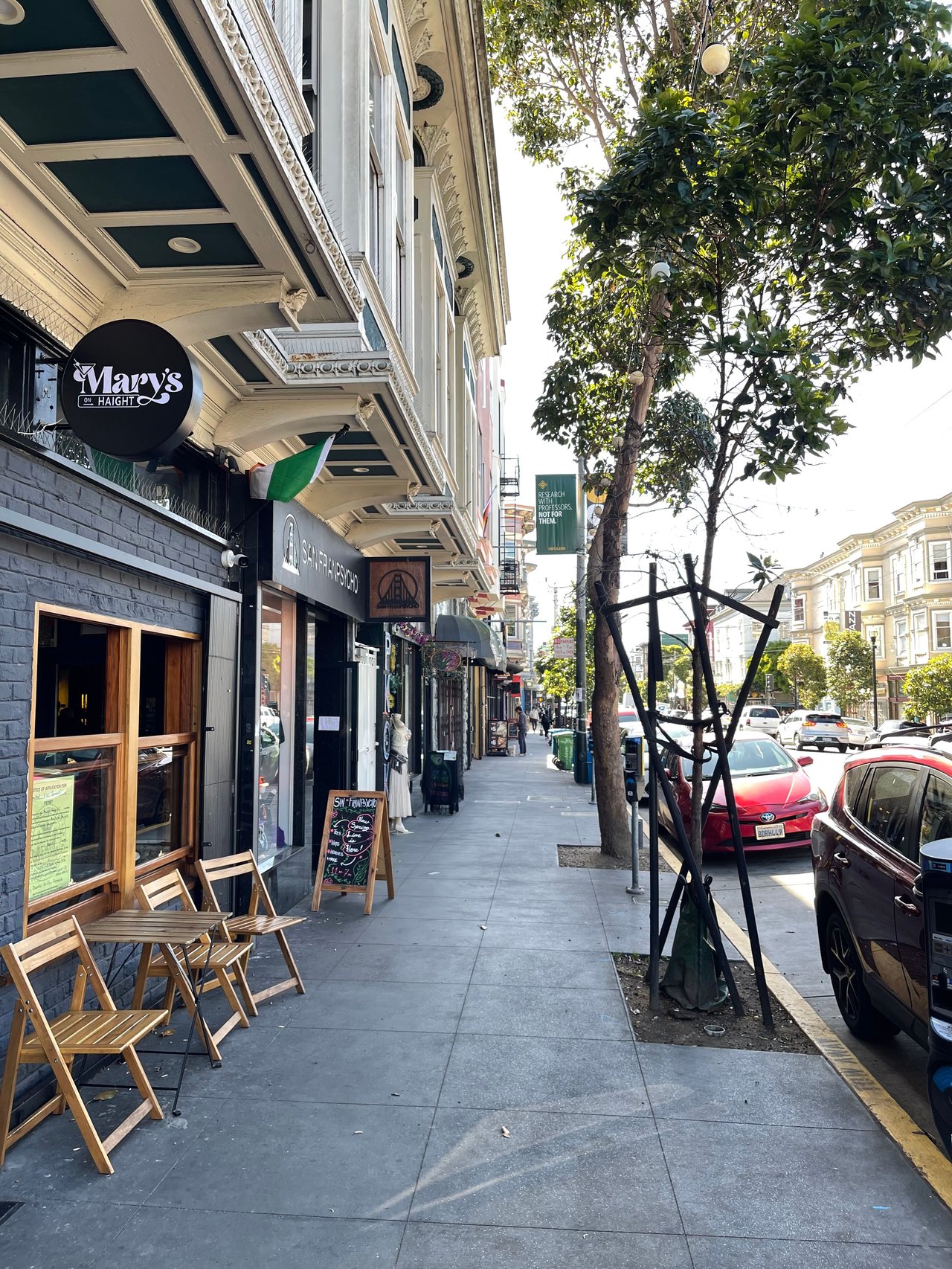
You're not just buying a home in San Francisco. You're buying the street two minutes from your front door.
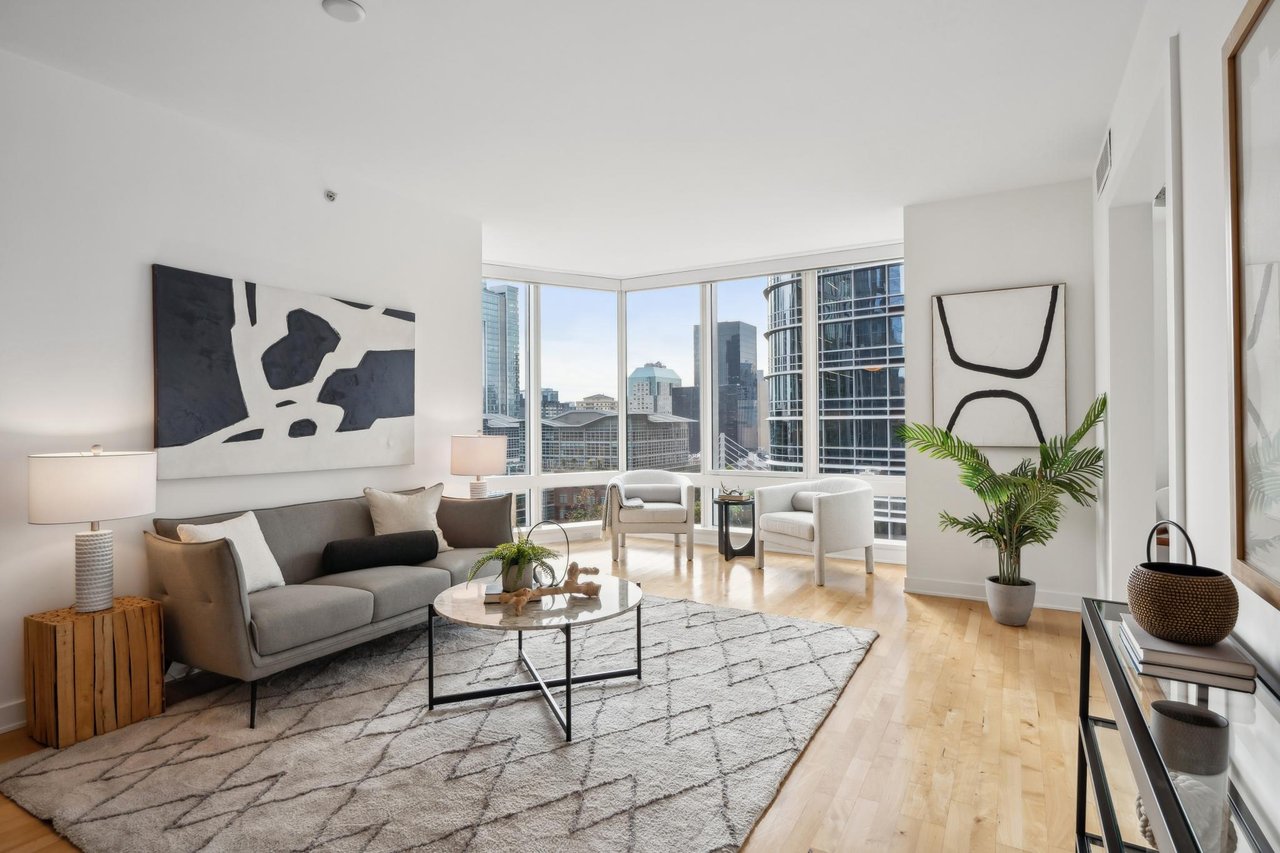
The asking price was never the value. It was the strategy.
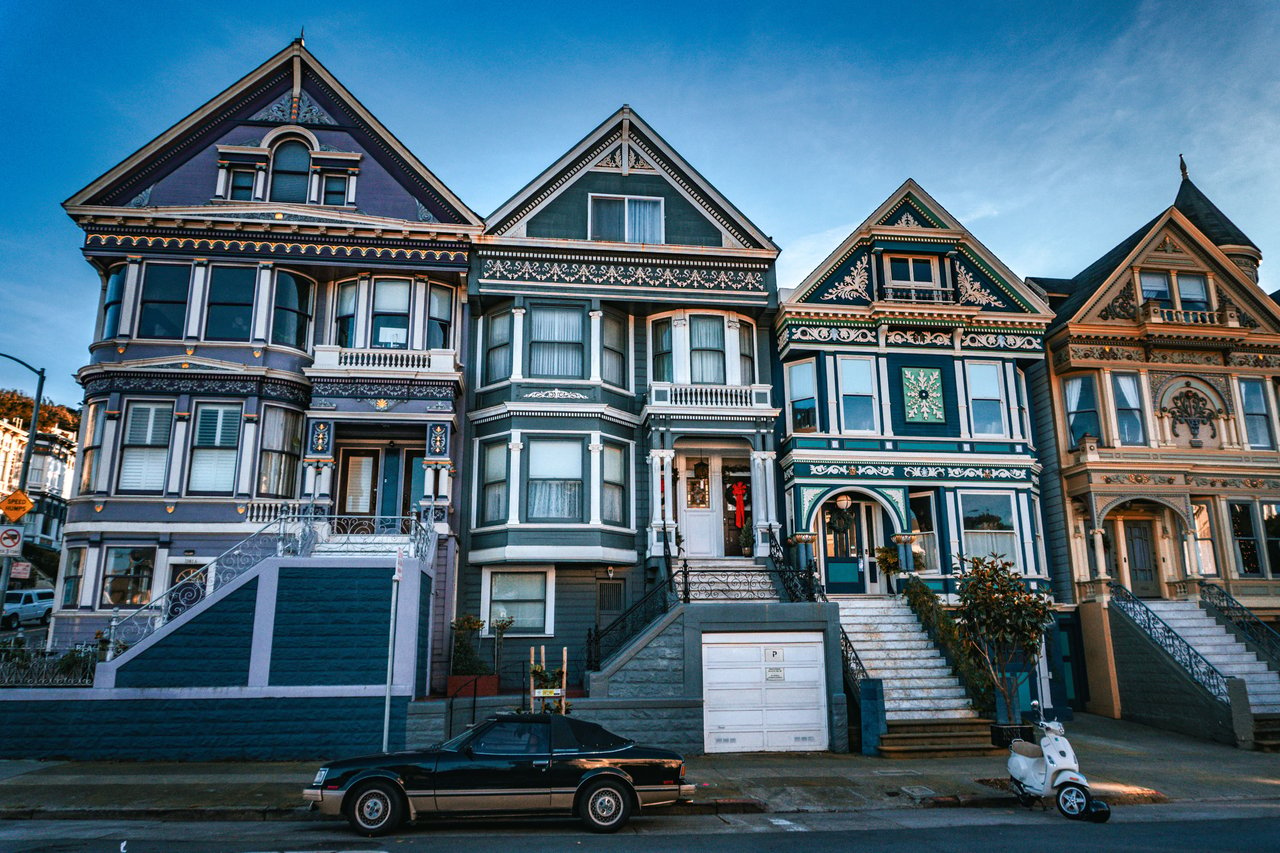
The smartest due diligence in San Francisco real estate starts a century before the listing.
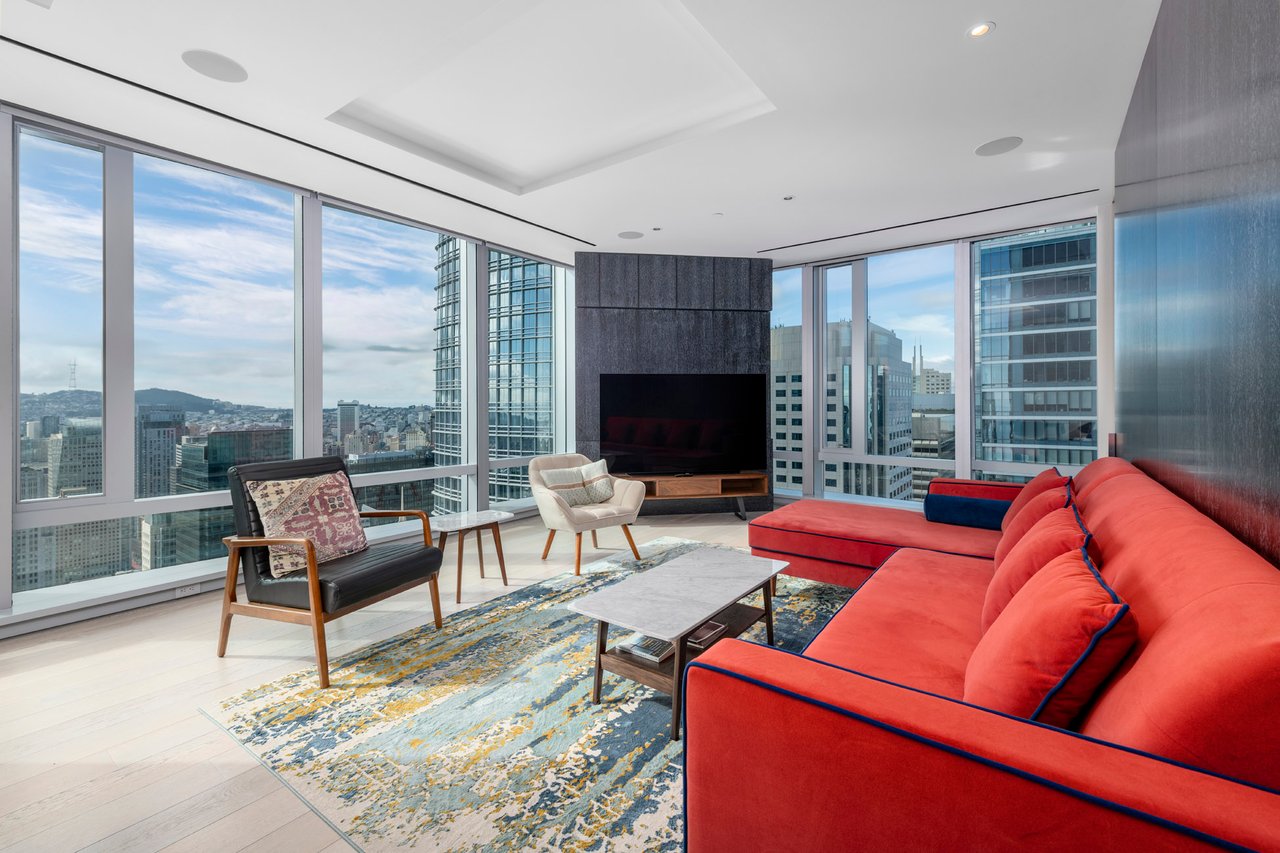
Two extraordinary homes, the same money, and no obvious answer. The question I ask buyers is not which one they prefer. It is which one they will never get another sho… Read more
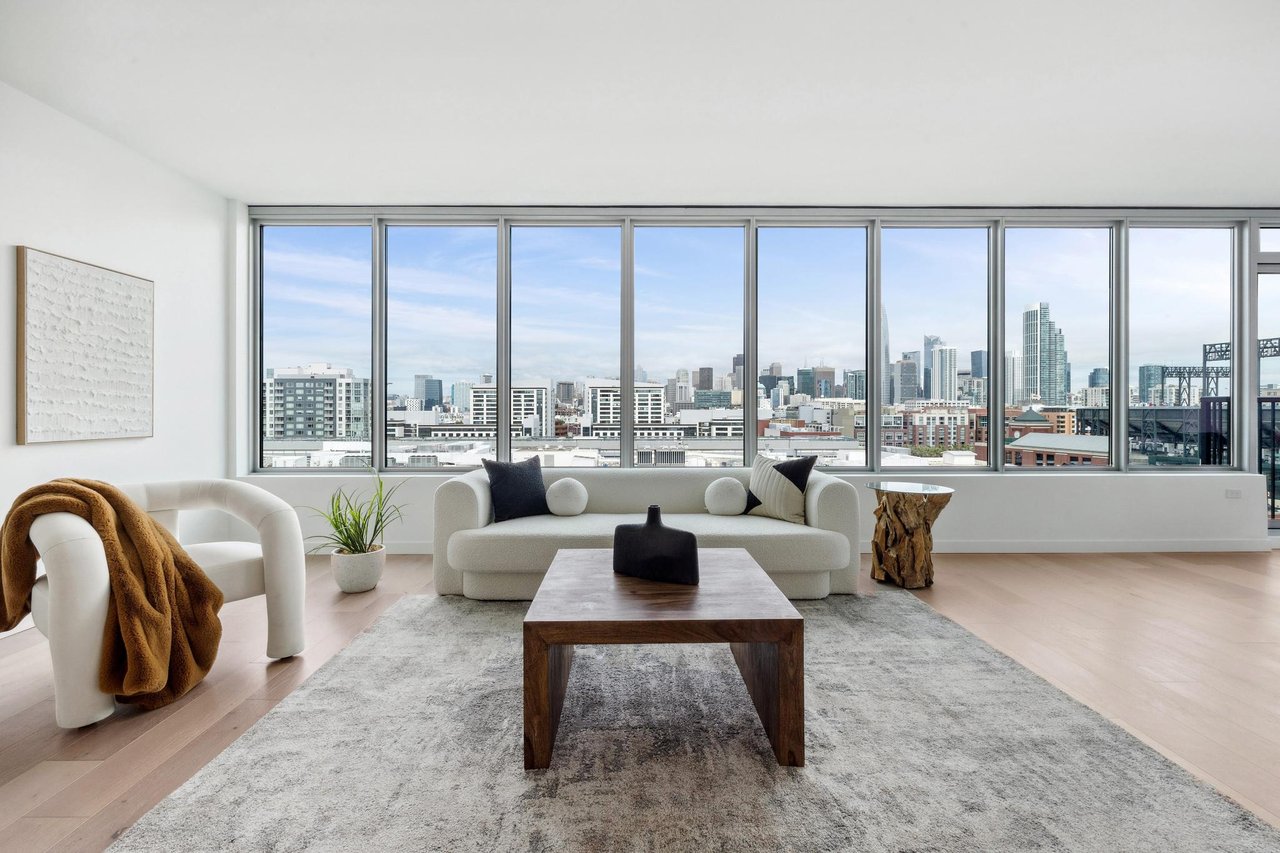
Price per square foot is the number most sellers glance at and almost no one reads correctly. It measures your address, not your house.

A renovation can change almost everything about a house. It can change nothing about what sits outside the front door. How to read permanence across San Francisco.

San Francisco is still building. That is not what makes the finest homes scarce. The scarcity is happening in how fast the existing ones are absorbed.
Two homes, the same price, one with the view of a lifetime, one with the room to live. Here’s the framework I use to help a buyer choose, and what people actually regr… Read more
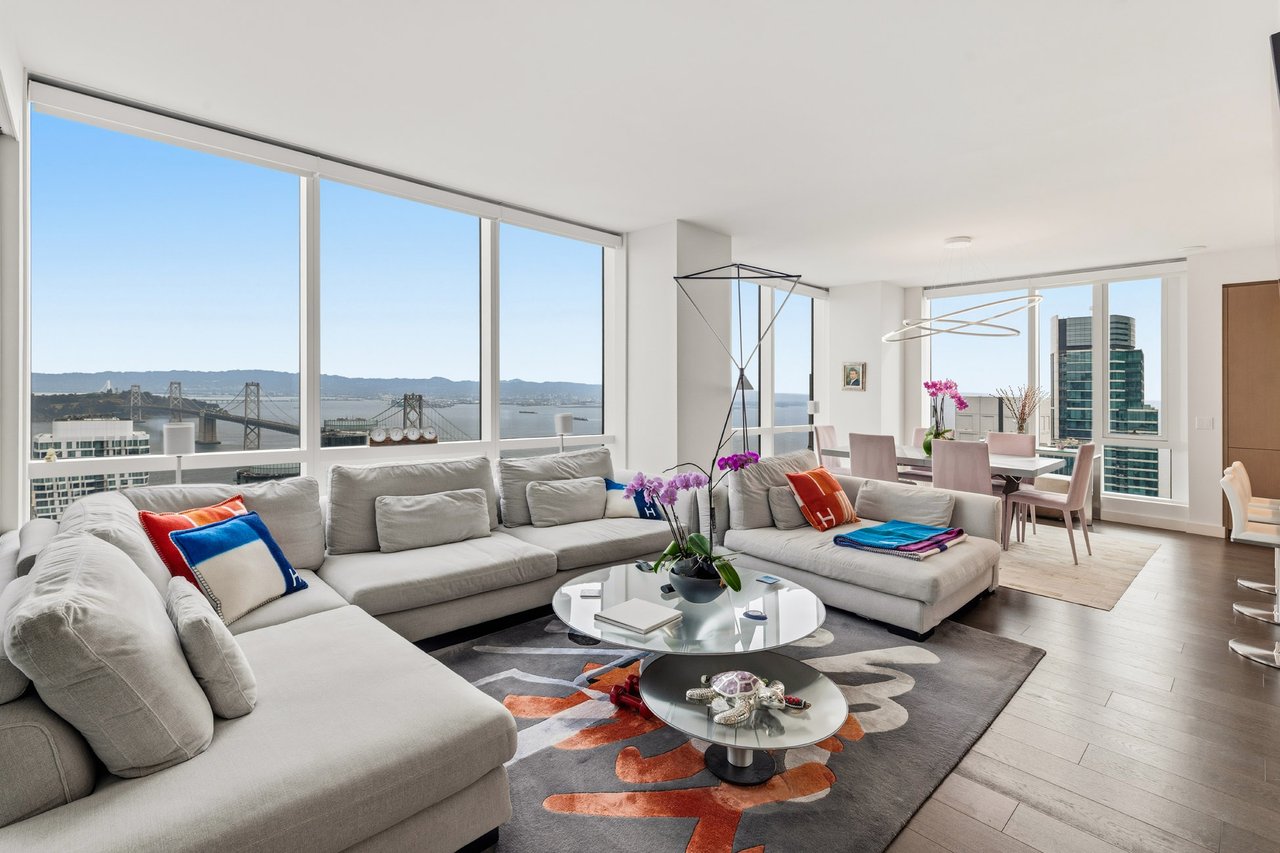
In a market this fast, days on market tells you more about your leverage than the asking price ever will, if you know how to read it.
Maximize Your Real Estate Potential