Choosing Between Two Homes: SF Luxury Buyer Guide
Key Takeaways
At the top of the San Francisco market, buyers are often choosing between two homes that are both genuinely excellent. Preference alone will not resolve it.
The better question is replaceability. One of the two will come around again in some form. The other will not.
The market gives you very little time to answer. High-end homes here have been going under contract in roughly twelve days, the fastest of any major American metro.
A growing share of the best homes never reach a public listing at all. Off-market luxury sales in San Francisco rose 71 percent year over year.
Buyers who lose out rarely regret the price they were willing to pay. They regret the home they let go.
The hardest conversations I have with buyers are not about difficult properties. They are about two excellent ones. A client will call me on a Sunday evening having seen two homes in the same weekend, at roughly the same price, both beautifully finished, both in neighborhoods they would be glad to live in. They want me to tell them which is better. Very often the honest answer is that neither is. They are simply different, and both are good.
That is a genuinely uncomfortable position, and I think buyers underestimate how paralyzing it can be. When one option is clearly stronger, the decision makes itself. When two are evenly matched, people tend to keep gathering information, looking for a detail that will break the tie. In this market, that instinct is expensive. The tie is not going to break on its own, and the homes are not going to wait.
So I change the question. I stop asking which home they prefer, because preference has already failed them, and I ask something narrower instead. If you walked away from this one today, how likely is it that something meaningfully like it comes back to you in the next two years? For one of the two, the answer is usually yes, in some form, with patience. For the other, it is almost always no.
"Do not buy the home you like more. Buy the one you would not be able to replace. Everything else in this city, eventually, comes around again." Shalini Sadda
Replaceability is not a soft consideration. It is a structural fact about a particular property, and it can be assessed. How many homes on that block trade in a given year. Whether the outlook is protected or merely current. Whether the scale, the lot, or the position could be assembled again by someone with enough money and patience, or whether it is genuinely singular. In the finest pockets of San Francisco the honest answer is often that only a handful of comparable homes exist at all, and some of them change hands once in a generation.
What makes this urgent rather than academic is the clock. The typical high-end home in San Francisco has been going under contract in about twelve days, down from twenty-eight a year earlier, the fastest pace of any major metropolitan market in the country.1 Bloomberg has described multimillion-dollar houses here selling auction-style.2 Twelve days is not enough time to think your way to certainty. It is barely enough time to see a home twice. That is precisely why the framework matters more than the deliberation: you need a question you can answer quickly and defend later.
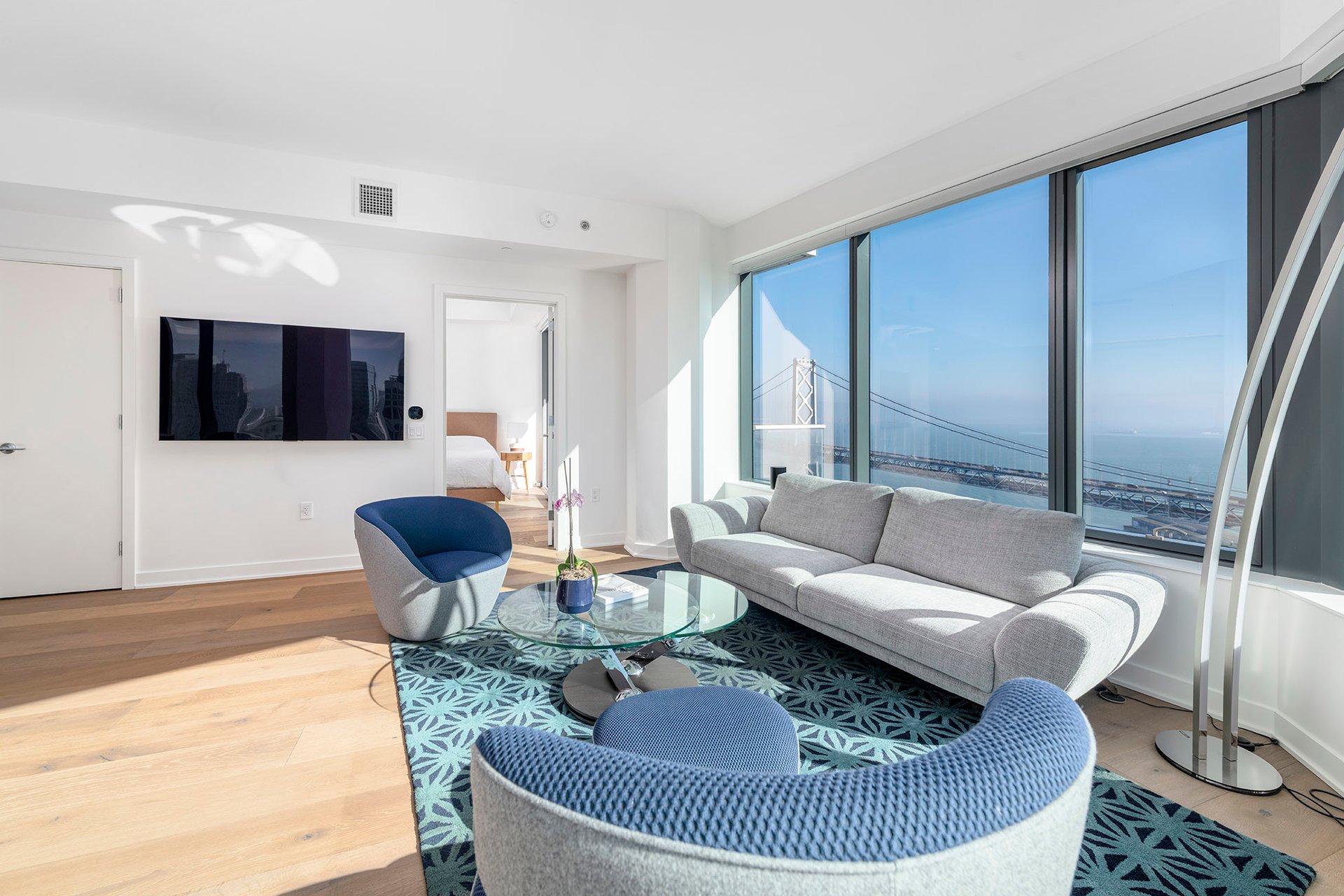
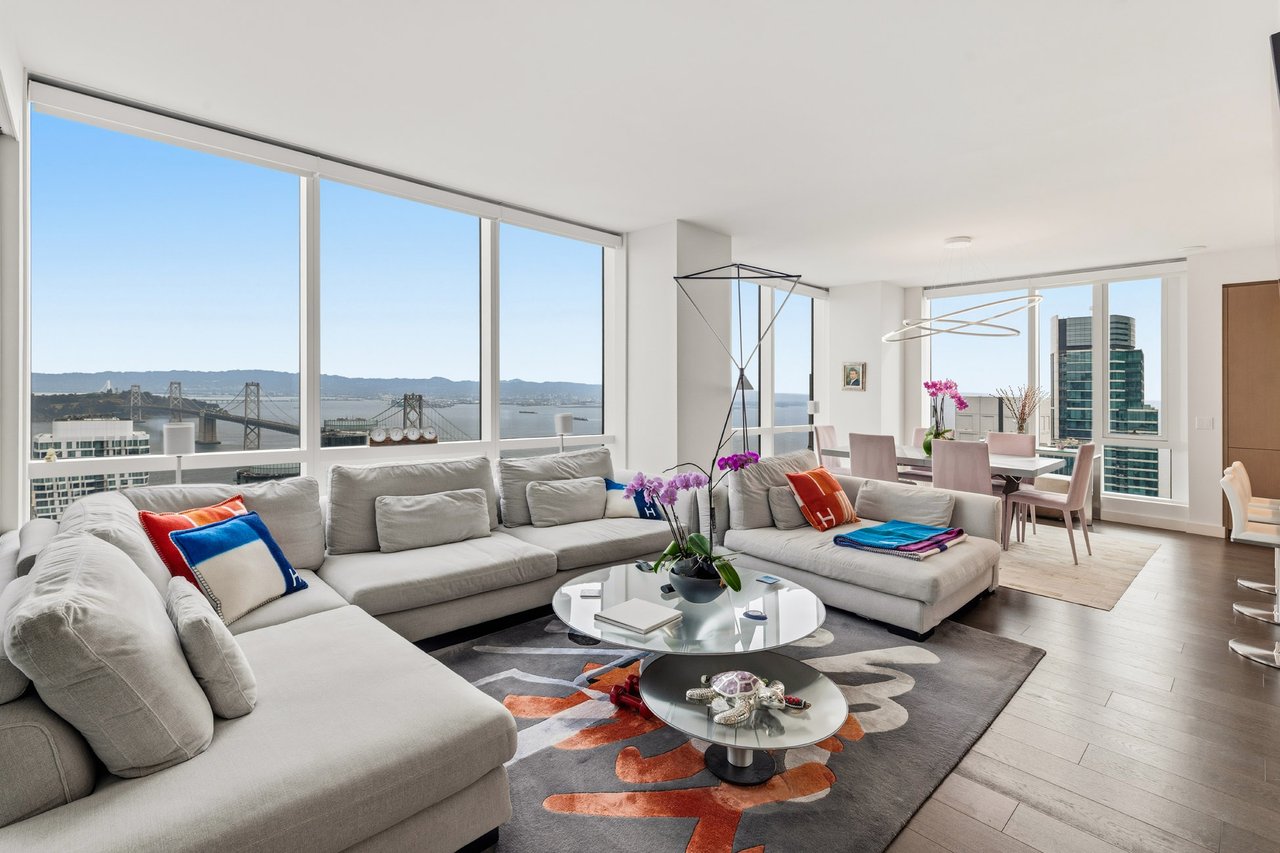
Is this stunning view from The Mira at 280 Spear Irreplacable?
There is a second reason the timeline compresses, and it is one buyers often discover too late. An increasing share of the best homes in this city never becomes publicly available in the first place. A data analysis of closed luxury sales at $3 million and above found that off-market volume in San Francisco climbed 71 percent year over year.3 If you are only evaluating what appears on a portal, you are choosing between two homes while a third one you would have preferred trades quietly. Access is not a convenience at this level. It is part of the decision itself.
I also want to be candid about how this feels, because the data does not capture it. The San Francisco Standard reported this spring on buyers who lost home after home and returned to the market anyway, some of them offering a million dollars over asking only to find they were not close.4 That is a real emotional cost, and it is worth naming. But in every one of those stories, notice what people are grieving. It is never the money. It is the house.
Which brings me to the part I feel most strongly about. In more than a decade of doing this, I have almost never had a client tell me they regretted stretching for the right home. I have had many tell me they regretted letting one go over a difference that felt significant at the time and looks small in hindsight. Regret in this market is asymmetric. Overpaying by a modest margin for something irreplaceable is a mistake you stop noticing within a few years. Losing something irreplaceable is a mistake you notice for a long time.
None of that means bidding without discipline, and I would never counsel it. Knowing your ceiling and holding it is the foundation of everything, and the mechanics of competing well here are their own subject. I have set out how I approach that in the luxury buyer’s playbook for San Francisco. The point of this piece is what happens before the offer, when you still have two good options and have to choose one.
It also helps to know what you are actually optimizing for, because buyer priorities at this level have shifted noticeably in recent years and many people are still using an older mental checklist. I looked at that shift in detail in what luxury buyers want today. Clarity there makes the replaceability question far easier to answer, because you know which qualities you would actually miss.
So when the two homes really are equal, and the spreadsheet has stopped helping, I would offer you the same thing I tell my own clients. Choose the one you could not build, could not find again, and could not talk yourself into replacing. The other one, in a city this deep, will come around in some form. That is the whole decision, and it is usually clearer than it feels at nine on a Sunday night.
Frequently Asked Questions
How do I choose between two homes I like equally?
Stop comparing preference and start comparing replaceability, because one of the two will realistically come around again and the other will not. Buy the one you could not find or recreate.
How quickly do I need to decide in the San Francisco luxury market?
High-end homes here have been going under contract in roughly twelve days, so the practical window is very short. That is why a clear decision framework matters more than extended deliberation.
Am I seeing every home available in my price range?
Almost certainly not, since off-market luxury sales in San Francisco rose 71 percent year over year. Access to homes before they are publicly listed materially widens the set of options you are choosing from.
Sources
1. Redfin, San Francisco’s Luxury Home Sales Jump 22% As Median Price Nears $7M, April 2026.
2. Bloomberg, AI Boom Sends San Francisco Housing Prices Soaring, May 2026.
3. The Real Deal, San Francisco Leads Bay Area Luxury Private Sales, July 2026.
4. The San Francisco Standard, SF Home Buyers Have Been Pushed to the Brink, but Come Back for More, May 2026.
Stay up to date on the latest real estate trends.
Two extraordinary homes, the same money, and no obvious answer. The question I ask buyers is not which one they prefer. It is which one they will never get another sho… Read more
Price per square foot is the number most sellers glance at and almost no one reads correctly. It measures your address, not your house.

A renovation can change almost everything about a house. It can change nothing about what sits outside the front door. How to read permanence across San Francisco.

San Francisco is still building. That is not what makes the finest homes scarce. The scarcity is happening in how fast the existing ones are absorbed.
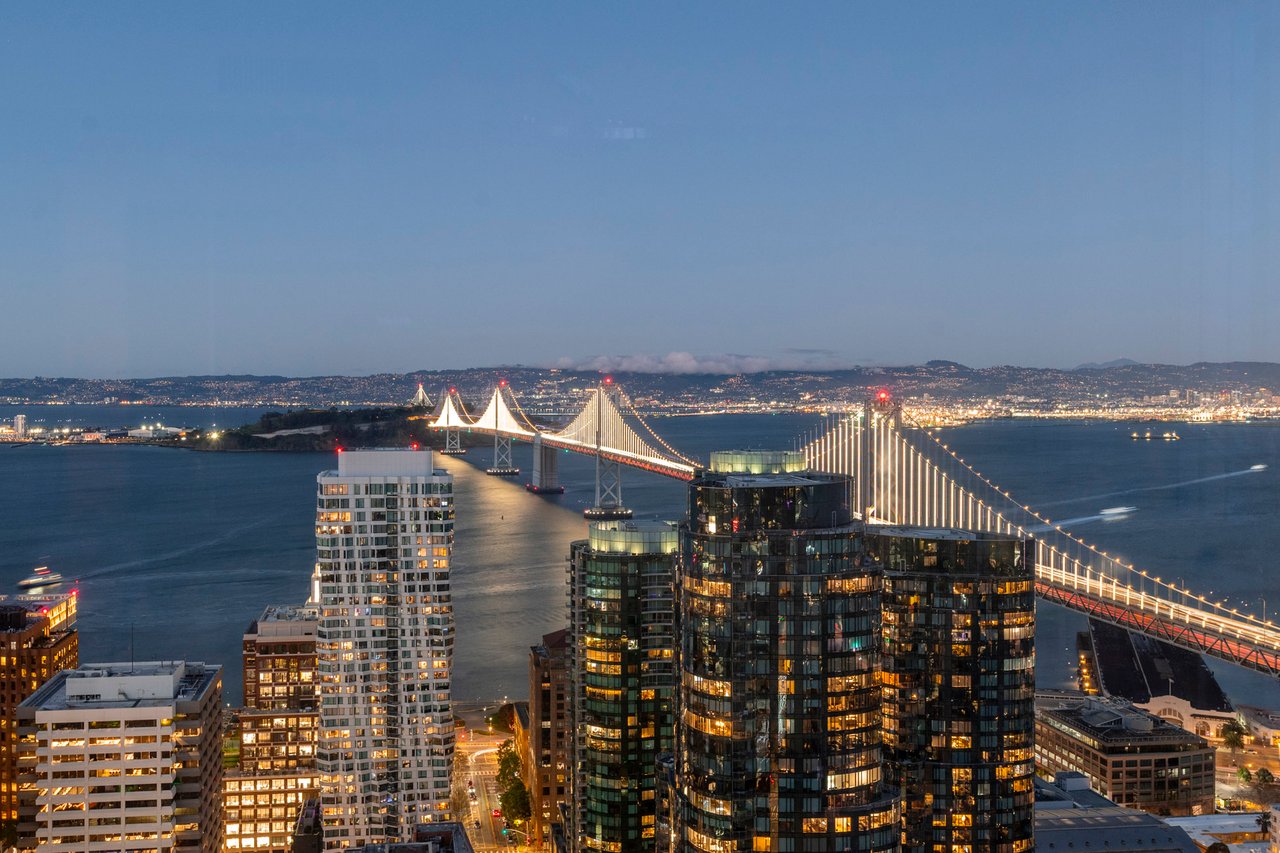
Two homes, the same price, one with the view of a lifetime, one with the room to live. Here’s the framework I use to help a buyer choose, and what people actually regr… Read more
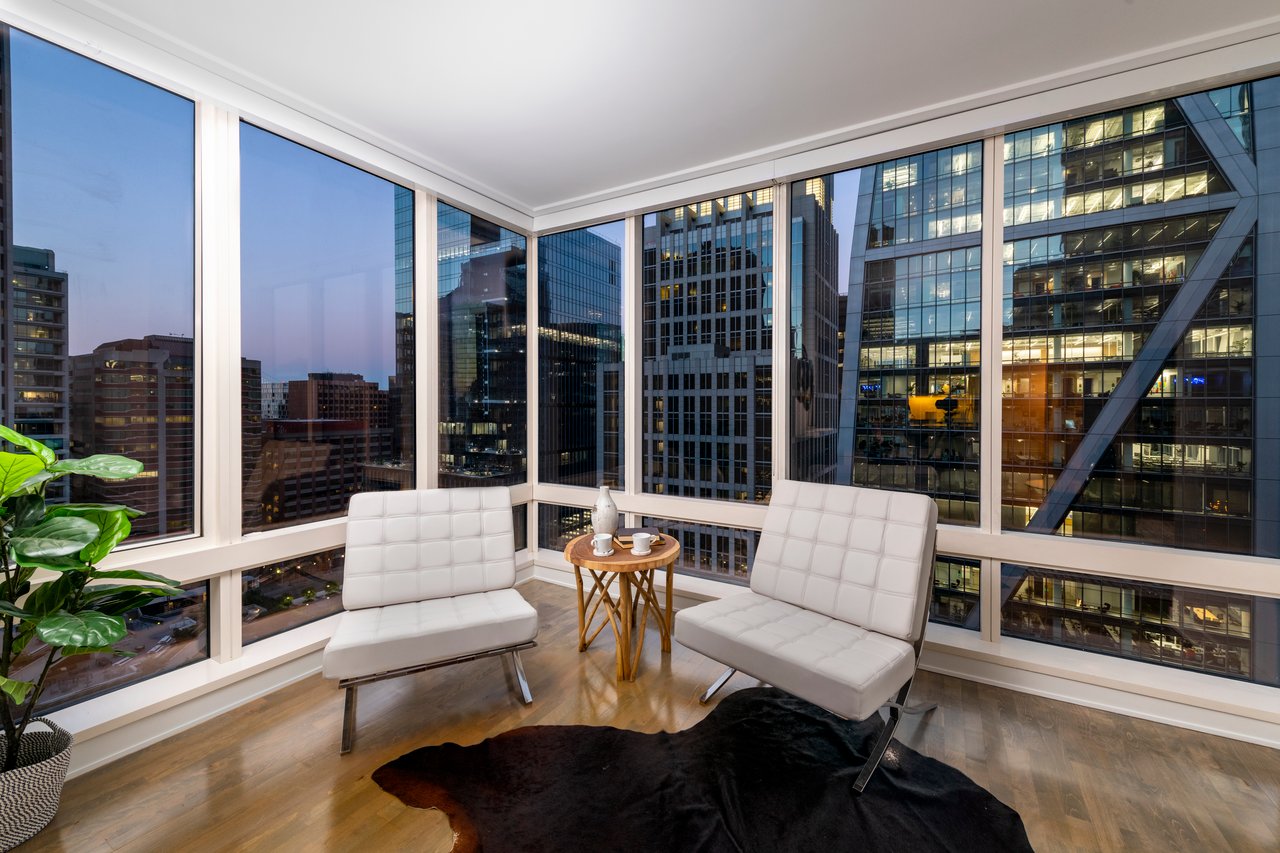
In a market this fast, days on market tells you more about your leverage than the asking price ever will, if you know how to read it.
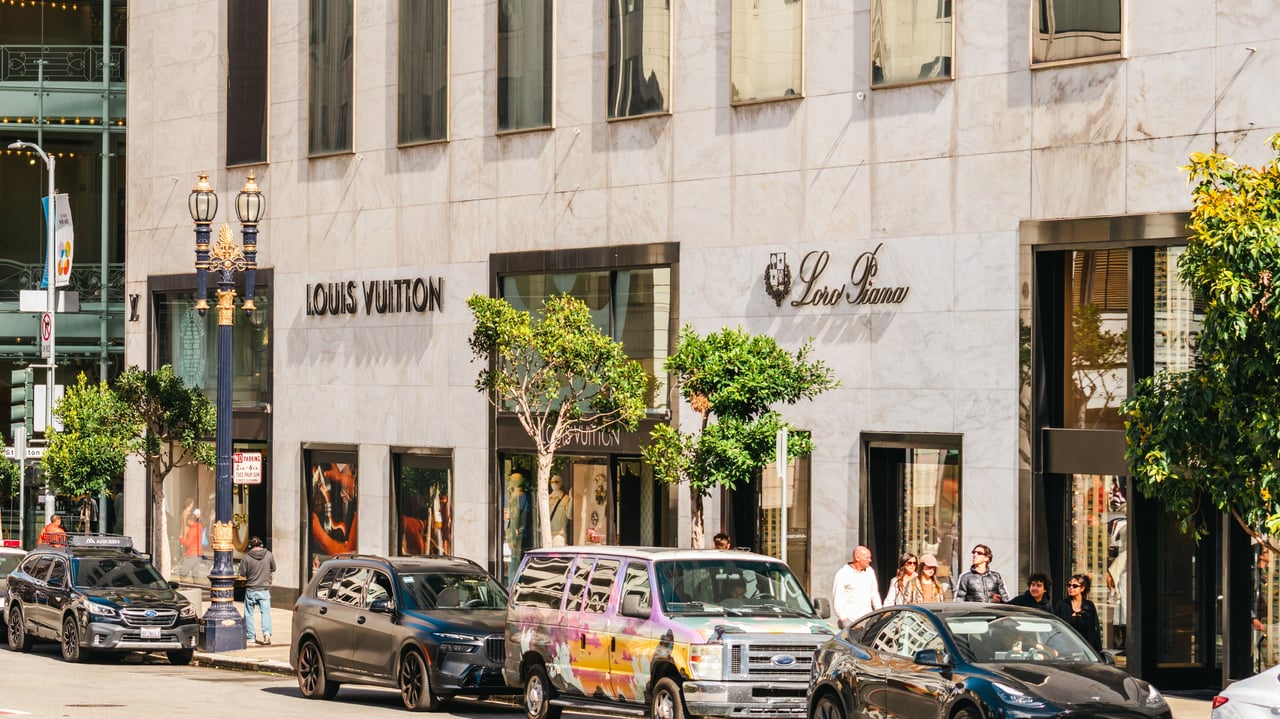
The signals that tell you where a neighborhood is headed are the ones a listing never shows. Here’s how to read them.
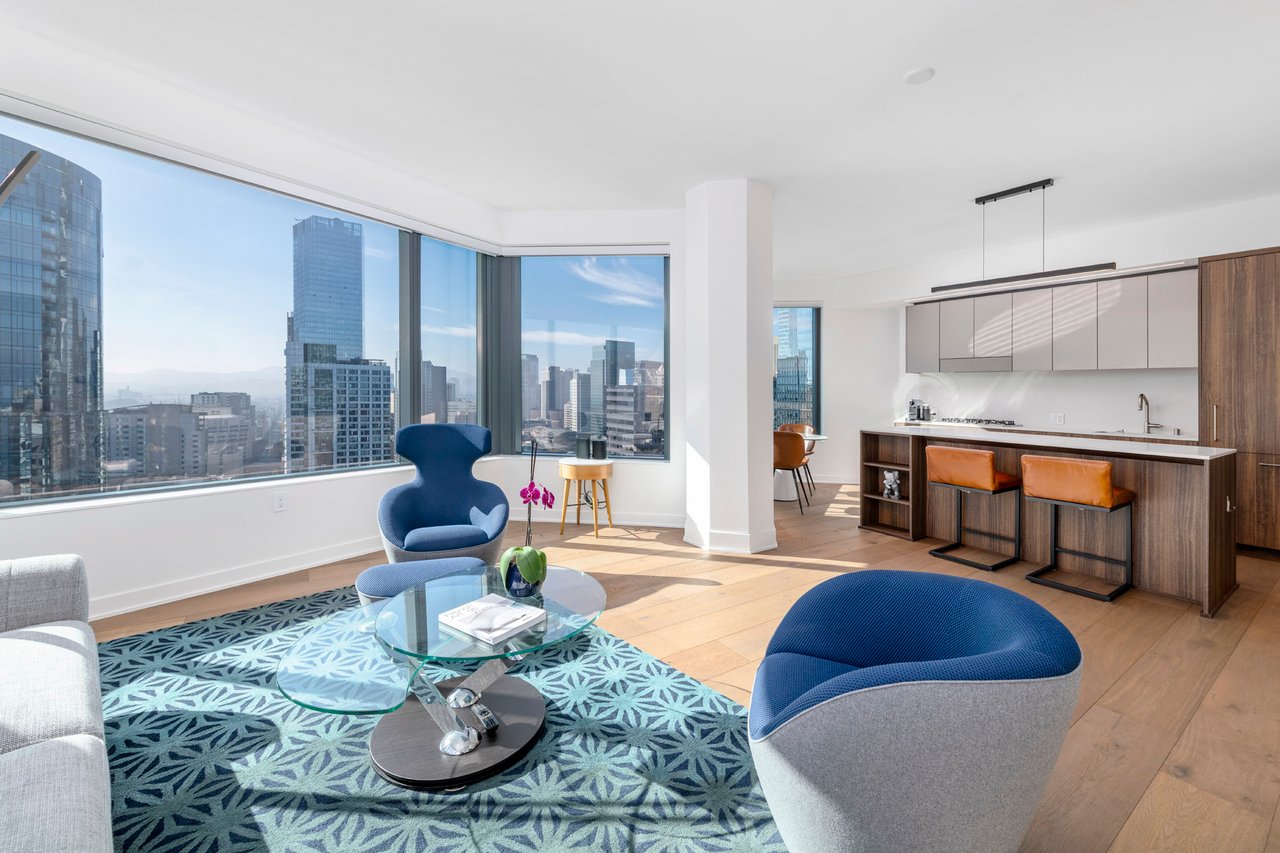
In today’s San Francisco market, the number on the listing was never the real number. Here’s how to read what a home will actually take.
A strong market won't sell your home for you—positioning it for the right buyer is what wins.
Maximize Your Real Estate Potential