
Buying Into History: The Hidden Advantage of San Francisco’s Landmark Homes
Shalini Sadda
Shalini Sadda
Many of San Francisco's most admired homes sit in designated historic districts or are individual landmarks.
California's Mills Act lets owners of qualifying historic properties lower their property taxes in exchange for preserving and maintaining the home.
A Mills Act contract stays with the property, so a buyer can inherit both the tax benefit and the preservation obligations.
Recent buyers tend to benefit most, which makes this a question worth asking before you write an offer, not after you close.
Walk the streets of San Francisco's historic neighborhoods and the appeal is obvious: the craftsmanship, the bay windows, the sense that a home has stood for a century and will stand for another. What most buyers don't see is the financial side of that history.
Some of the city's landmark homes come with a property tax arrangement that can meaningfully change the cost of ownership. And because that arrangement can transfer with the home, it's something I want every buyer considering a historic property to understand before they make an offer.
The Mills Act is a California program that lets a city enter into a preservation contract with the owner of a qualifying historic property. San Francisco Planning calls it the single most important economic incentive program in California for private owners of historic buildings.
The trade is simple. The owner commits to restore, rehabilitate and maintain the property to recognized preservation standards. In return, the property is assessed differently for tax purposes, which usually results in a lower tax bill.
Instead of basing the tax on the purchase price, the assessor values the property on the income it could potentially produce. According to San Francisco Planning's program guide, that alternative valuation is where the savings come from. In one illustrative example from a San Francisco Planning presentation, an annual tax bill of $20,500 dropped to $6,400 under a Mills Act contract, a savings of $14,100 a year.
In San Francisco, some of the most beautiful homes carry a benefit that never appears on the listing. The best time to find it is before you buy. - Shalini Sadda
Which Homes Qualify
Eligibility depends on a home's historic status. Under the city's program, qualifying properties include individually designated city landmarks, contributing buildings within a local historic district, and properties listed on the National Register of Historic Places or within a National Register historic district.
These designations are spread across the city, from landmark districts like Duboce Park to National Register districts such as the Lower Nob Hill Apartment Hotel district, where San Francisco Planning has specifically encouraged owners to explore the program.
There's also a value threshold. The city's current Mills Act application limits eligibility for residential buildings to properties with an assessed value under $3 million, although exceptions can be granted for exceptional properties, such as the work of a master architect. For many luxury purchases, that limit is an important detail to check early.
Here's the part most buyers don't know. A Mills Act contract is recorded on the property and runs with the land. It has a minimum term of ten years and renews automatically each year.
That means two things for a buyer.
You may inherit the benefit. San Francisco Planning notes that because a Mills Act property isn't reassessed at its new market value when it changes hands, new owners will likely pay taxes based on the existing Mills Act valuation. That can make a historic home considerably less expensive to own than its price alone suggests.
You also inherit the obligations. Subsequent owners are bound by the contract, including any rehabilitation work still to be completed and ongoing maintenance to preservation standards. The city inspects participating properties, and a contract canceled for breach carries a penalty of 12.5% of the property's fair market value. The seller is responsible for disclosing an existing contract, but I always confirm it independently.
The Mills Act tends to reward recent buyers. San Francisco Planning's guidance is clear that owners who bought within the last ten years are most likely to see a meaningful reduction, while long-time owners with low assessed values under Proposition 13 may see little or no benefit.
For a buyer, that creates two paths. You might buy a home that already has a contract in place and inherit its valuation. Or you might buy a qualifying historic home without one and apply after you close. Applications are due before May 1 each year, and approval isn't guaranteed. The city weighs each application on its merits and public benefit.
When a client falls for a historic property, here's what I check before we write an offer:
Its designation. Is the home an individual landmark, a contributor to a historic district, or neither? That status shapes what you can change and what benefits you may qualify for.
Any existing contract. If there's a Mills Act contract, I want to see the current valuation, the scope of required work, and what has already been completed.
The work plan going forward. Preservation standards apply to alterations inside and out. If you plan a renovation, it needs to fit within those standards.
The real cost of ownership. A lower tax bill can change the math on a historic home in a significant way. We look at the full picture, not just the price.
As with any tax question, the details vary by property, so I always recommend confirming specifics with San Francisco Planning and your own tax advisor.
If historic architecture is part of what draws you to the city, my tour of San Francisco's most exclusive neighborhoods is a good place to start. And for what today's buyers value inside these homes, see the luxury features buyers want most.
San Francisco's historic homes offer something new construction can't: character no one can build again. For the right buyer, they may also offer a meaningful financial advantage. The key is knowing what you're buying into before you sign.
If you're considering a historic home, I'd be glad to help you look past the facade and understand exactly what comes with it.
What is the Mills Act in San Francisco? It's a state program that lets owners of qualifying historic properties lower their property taxes in exchange for preserving and maintaining the home. San Francisco administers it through a recorded contract with each owner.
If I buy a home with a Mills Act contract, does it transfer to me? Yes. The contract runs with the property, so you generally inherit both its tax valuation and its preservation obligations.
Who benefits most from the Mills Act? Owners who purchased recently, usually within the last ten years. Long-time owners with low assessed values under Proposition 13 often see little or no reduction.
Photo by Jessica Bryant
Stay up to date on the latest real estate trends.
Some of the city’s most beautiful homes come with a benefit that never appears on the listing. Here’s how it works, and what it asks in return.

The season matters less than you think. The competition the week you launch matters more than you know.
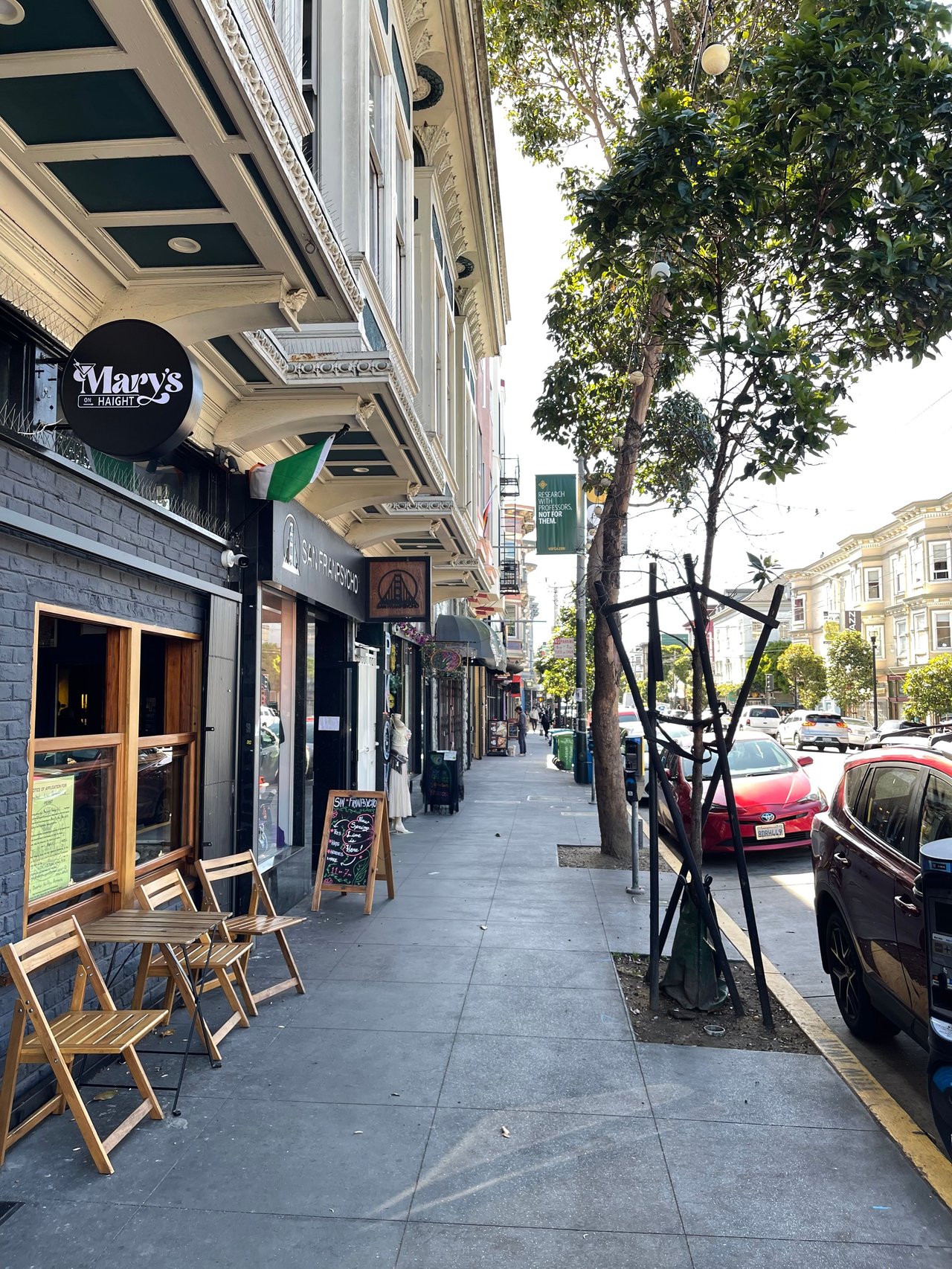
You're not just buying a home in San Francisco. You're buying the street two minutes from your front door.

The asking price was never the value. It was the strategy.

The smartest due diligence in San Francisco real estate starts a century before the listing.

Two extraordinary homes, the same money, and no obvious answer. The question I ask buyers is not which one they prefer. It is which one they will never get another sho… Read more

Price per square foot is the number most sellers glance at and almost no one reads correctly. It measures your address, not your house.

A renovation can change almost everything about a house. It can change nothing about what sits outside the front door. How to read permanence across San Francisco.

San Francisco is still building. That is not what makes the finest homes scarce. The scarcity is happening in how fast the existing ones are absorbed.
Maximize Your Real Estate Potential