The Overbid Era: What Over Asking Really Means
Shalini Sadda
Shalini Sadda
Key Takeaways
San Francisco is in an overbid era: this spring, the SF Standard reported a month where 85 percent of homes sold over list and the median sale closed nearly 25 percent over asking.
A list price is not a value estimate. It's an auction design, and designing it well is the highest-leverage decision a seller makes.
Overbids are engineered, not lucky. The wrong list price, high or low, costs real money.
This spring, a San Francisco home sold for seven million dollars over its asking price. Headlines called it shocking. I'd call it something else: a pricing strategy, executed perfectly.
Consider the conditions around that sale. The SF Standard reported that 85 percent of San Francisco homes sold over list price that month, with the median sale closing nearly 25 percent over asking, as the city's median price passed $2.15 million. And it hasn't cooled: in August, homes in the neighborhood where that record sale happened closed at a median of roughly 13 percent over their list prices, per Redfin. This isn't an anomaly anymore. It's the market's operating system.
Which means every seller needs to understand something that sounds simple and changes everything: the asking price is not the value of your home. It is the opening move of a competition.
I've written before that the list price is a starting line, not the price, from the buyer's side of the table. Today I want to show you the seller's side, because when inventory is this thin and buyers are this determined, a list price has one job: to determine who shows up. Price a home at the number you hope to get, and you'll attract the one buyer willing to pay exactly that, negotiating alone, with no pressure on them at all. Price it to open an auction, and you attract five, eight, twelve qualified buyers, each aware of the others, each deciding how much they want to win.
The difference between those two outcomes is routinely hundreds of thousands of dollars. Sometimes it's seven million.
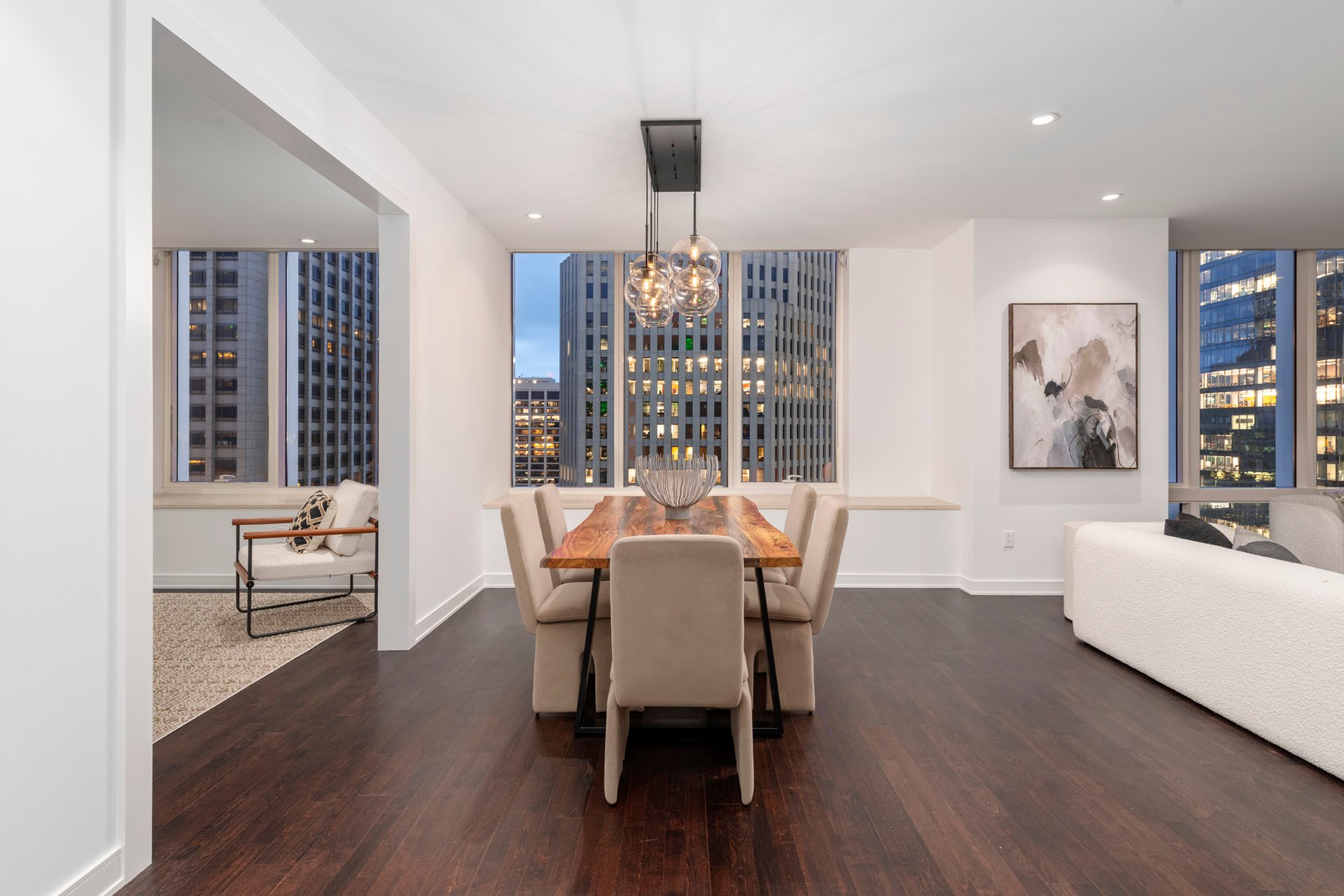
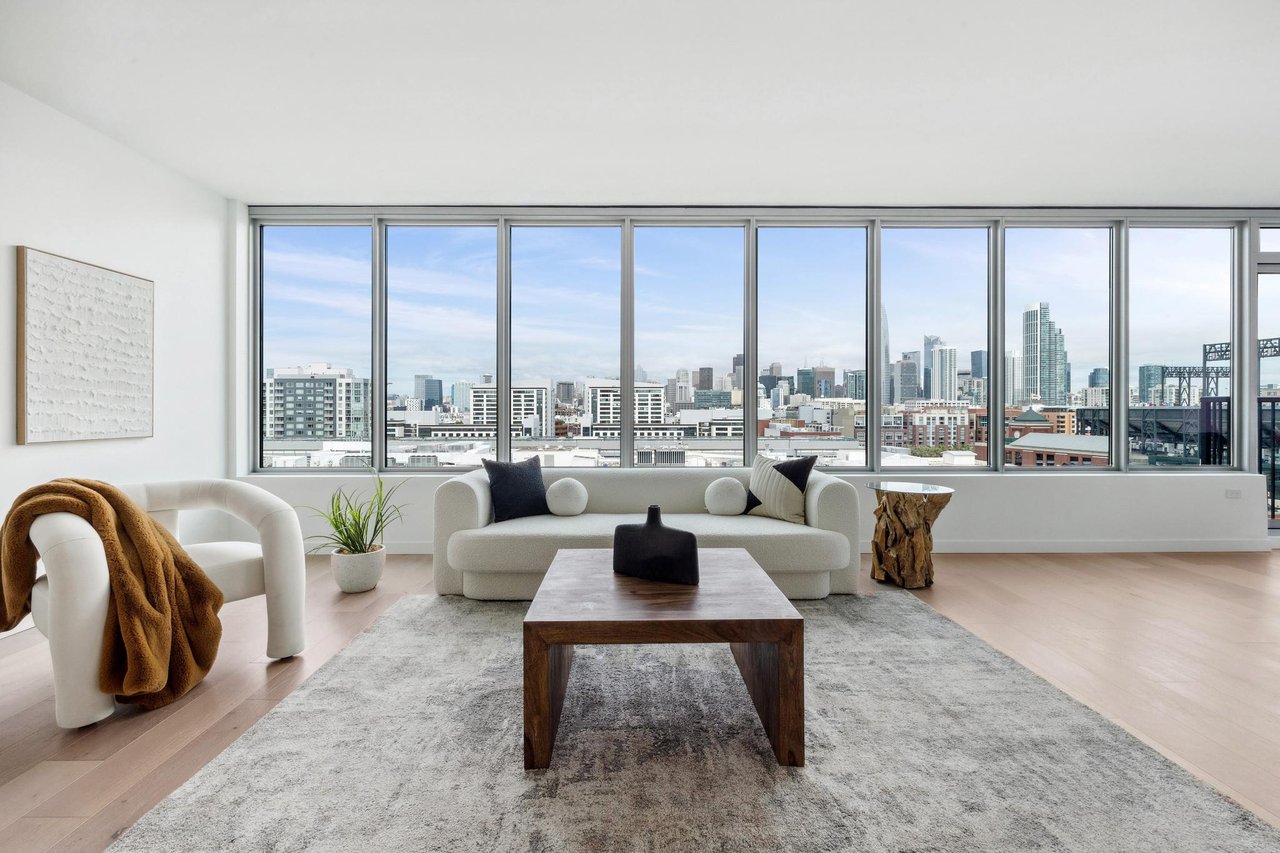
This dramatic view from 301 Mission is just part of the strategy
But here's what the headlines miss: overbids are engineered. Behind every dramatic over-asking sale is a set of deliberate decisions. The preparation that makes the home undeniable. The launch timed against the competition on the market that exact week. The price set low enough to draw the full depth of buyer demand, but never so low that it reads as a gimmick or attracts unqualified traffic. Buyers in this city are sophisticated. They can tell a strategic price from a stunt, and they punish the stunt.
And I'll say what few in my industry will: this strategy is not right for every home. Overbidding depth is real at some price points and in some neighborhoods, and thinner in others. Part of my job is knowing, from current sale-by-sale data, where the auction dynamic is live and where a home should be priced closer to its target instead. That's also why I watch pace as closely as price; days on market tells you more about your leverage than the asking price ever will. Judgment is the product. The comps are just the ingredients.
For buyers, the same knowledge runs in reverse. If the median sale in a hot month closes well over asking, then the list price is your starting line, not your budget. I structure every buyer's search around their true ceiling, not the numbers on the listings, so we compete where we can win and walk away where we can't.
When I price a home, I'm not guessing what it's worth. I'm designing who shows up to fight for it. In this market, that design is where the money is made.
"Price a home at the number you hope to get, and you'll negotiate with one buyer. Price it to open an auction, and buyers decide how much they want to win." - Shalini Sadda
FAQs
Should I always list below my target price in San Francisco? No. The auction strategy works when buyer depth at your price point supports it, and current sale data tells us whether it does. That judgment call is exactly what you're evaluating an advisor on.
How do buyers compete in an overbid market? By knowing the real transaction range before offering, and by having financing and terms ready to move faster than the competition. The list price is information, not a limit.
Do overbid sales appraise? In competitive segments they usually do, because appraisals follow recent comparable sales, and those comps are also closing over asking. Strong offers still plan for the gap.
Sources
Stay up to date on the latest real estate trends.
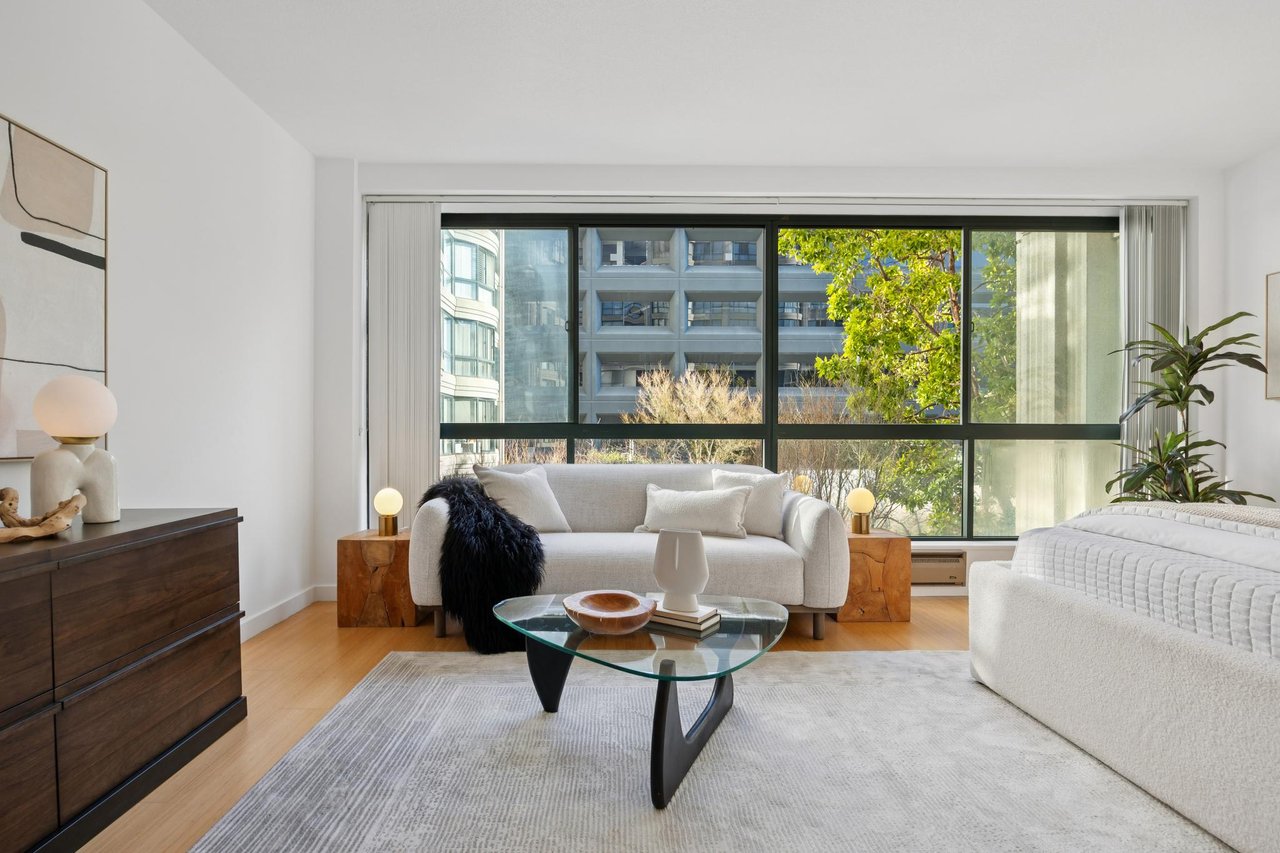
The season matters less than you think. The competition the week you launch matters more than you know.
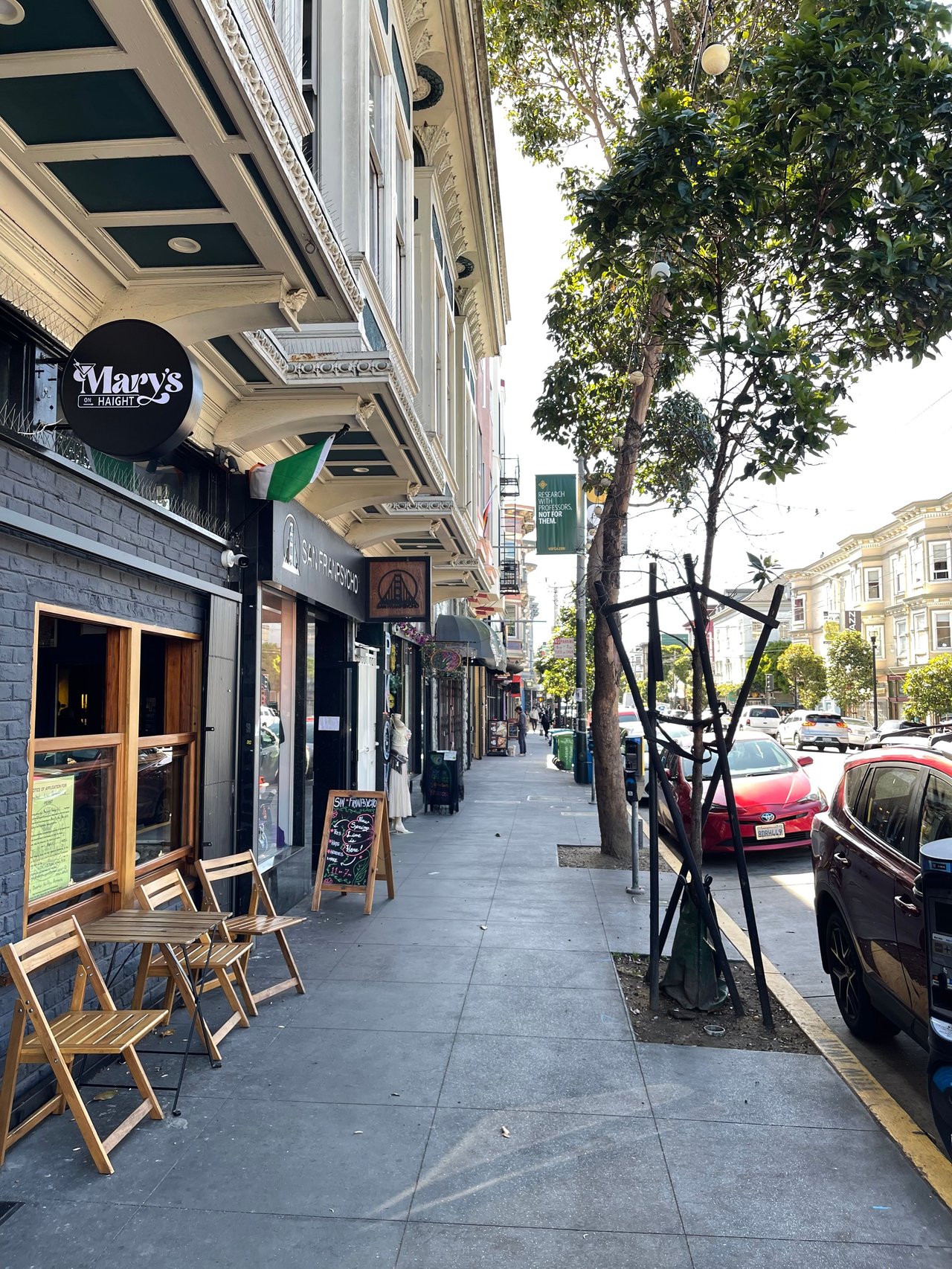
You're not just buying a home in San Francisco. You're buying the street two minutes from your front door.
The asking price was never the value. It was the strategy.

The smartest due diligence in San Francisco real estate starts a century before the listing.

Two extraordinary homes, the same money, and no obvious answer. The question I ask buyers is not which one they prefer. It is which one they will never get another sho… Read more
Price per square foot is the number most sellers glance at and almost no one reads correctly. It measures your address, not your house.

A renovation can change almost everything about a house. It can change nothing about what sits outside the front door. How to read permanence across San Francisco.

San Francisco is still building. That is not what makes the finest homes scarce. The scarcity is happening in how fast the existing ones are absorbed.

Two homes, the same price, one with the view of a lifetime, one with the room to live. Here’s the framework I use to help a buyer choose, and what people actually regr… Read more
Maximize Your Real Estate Potential