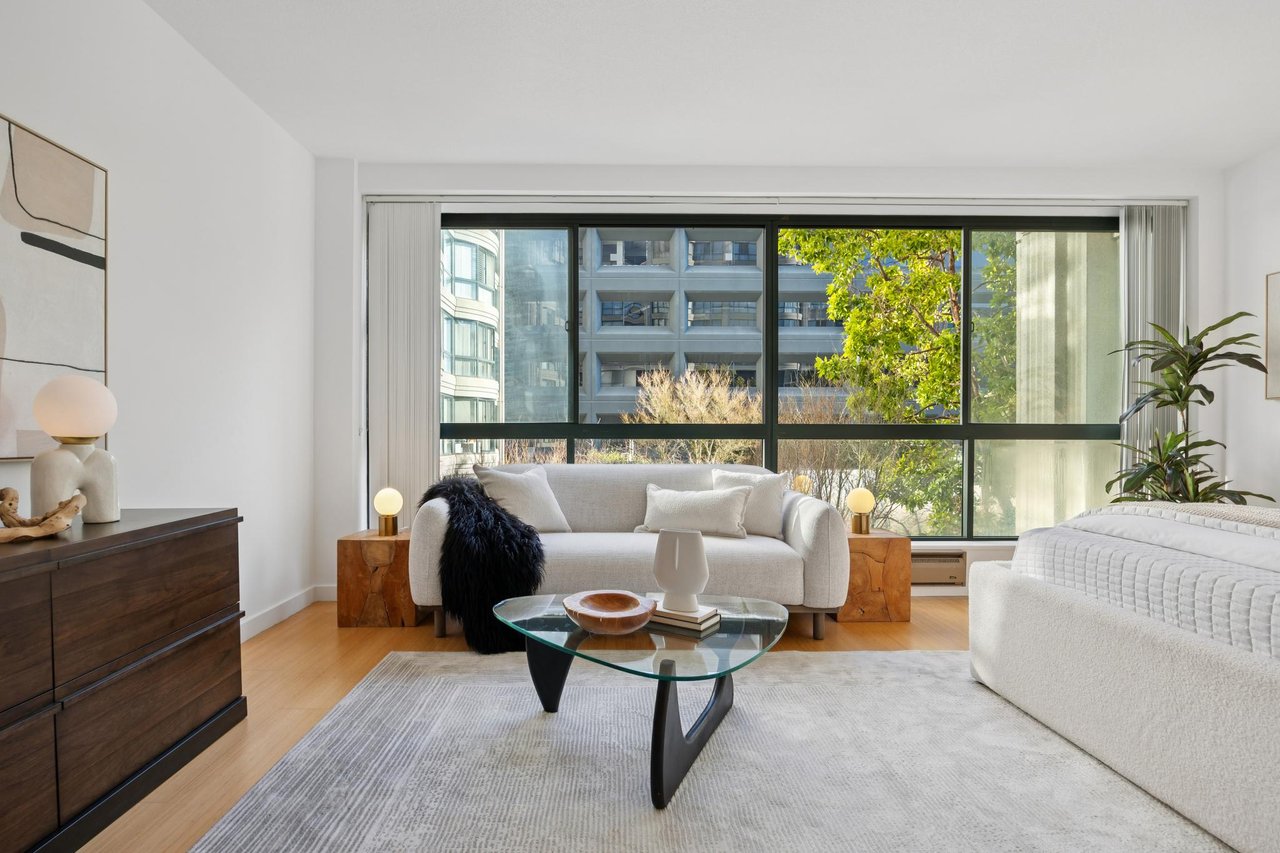
Sell Now or Wait for Spring? How I Make the Call
Shalini Sadda
Shalini Sadda
Key Takeaways
The fall-versus-spring question is real, but the calendar is the least important variable in it.
Fall buyers are fewer and more serious; spring brings more buyers and every seller who waited all winter.
The decision comes down to two questions: is the home truly ready, and what will it compete against the day it goes live?
Every October, the same question arrives in my inbox: should we list now, or wait for spring?
It's the right question asked the wrong way. Sellers frame it as a calendar decision. I frame it as a competition decision. Let me walk you through it the way I'd walk you through it in your living room.
The case for spring is volume. More buyers tour, more offers get written, and the market has its most energy. But spring's volume cuts both ways: every seller who spent the winter waiting launches into the same eight weeks. Your home doesn't compete against the season. It competes against the specific homes on the market the week it goes live, and in spring, that list is long.
The case for fall is seriousness. The buyers touring homes in October and November are not browsing. They're relocating for a January start date, resolving a household change, or determined to be settled by the holidays. Fewer of them, but nearly all of them are decision-makers. And right now, they're walking into remarkably little supply. The SF Standard has reported that owners are staying put even as demand runs high, and that lack of inventory is exactly what has pushed the majority of San Francisco sales over their asking prices. A prepared home launching into a thin fall market can be the only serious option in its segment that week, and in this city, being the only option is a pricing strategy all by itself.
So here are the two questions that actually decide it.
One: is the home ready? Not almost ready. Ready. Prepared, staged, photographed, and positioned to be undeniable on day one, because as I've written before, a strong market alone won't sell your home; positioning it for the right buyer is what wins. A home that needs six more weeks of work should never launch in six days to catch a season. In every market I've worked through, condition beats calendar. If readiness points to February, February is the answer, whatever the folklore says about spring.
Two: what will it compete against? This is where week-by-week market knowledge earns its fee. I track what's coming to market in each neighborhood and price segment, including homes preparing to list that haven't surfaced yet, and I watch pace as closely as price, because days on market tells you more about your leverage than the asking price ever will. If three comparable properties are aiming for the same March window, an October launch may hand you the stage alone. If fall inventory in your segment is unusually crowded this year, waiting may be the sharper play. The answer is empirical, not seasonal.
And one honest addition: your life is a variable too. A sale has a purpose: the next home, the next city, the next chapter. Sometimes the best listing date is the one that serves the plan, and the strategy's job is to maximize the outcome within it, not to hold your life hostage to a calendar.
Answer the readiness question and the competition question honestly, and the fall-versus-spring debate usually resolves itself. That's how I make the call, one home, one seller, one market week at a time.
"Your home doesn't compete against the season. It competes against the specific homes on the market the week it goes live." - Shalini Sadda
FAQs
Is it a mistake to list during the holidays? Not necessarily, because holiday buyers are among the most motivated of the year and inventory is at its thinnest. The bar is that the home must be flawlessly presented, since it will be judged with full attention.
How far ahead should I start preparing to sell? Ideally two to three months before your target launch, and earlier if the home needs meaningful preparation. The launch date should be chosen from readiness, not the other way around.
Do San Francisco homes sell for less in the fall? Well-prepared homes in supply-starved segments regularly command strong results in fall, sometimes stronger than spring, because they face less competition. Averages hide that; the segment-level data is what I price from.
Sources
Stay up to date on the latest real estate trends.

The headlines say every home sells in a bidding war. The data says the city runs at several different speeds, and smart buyers use that.

Some of the city’s most beautiful homes come with a benefit that never appears on the listing. Here’s how it works, and what it asks in return.
The season matters less than you think. The competition the week you launch matters more than you know.
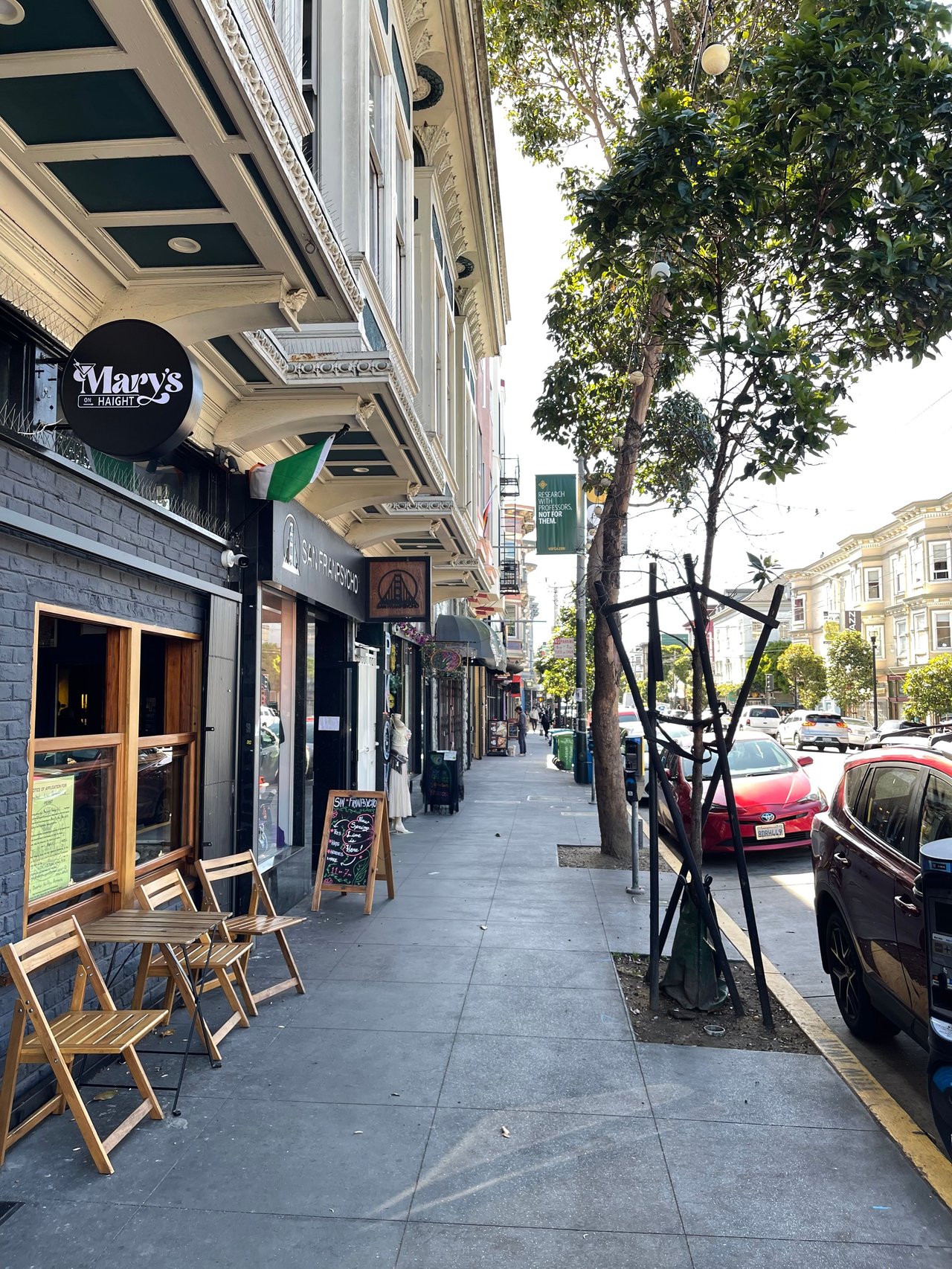
You're not just buying a home in San Francisco. You're buying the street two minutes from your front door.

The asking price was never the value. It was the strategy.
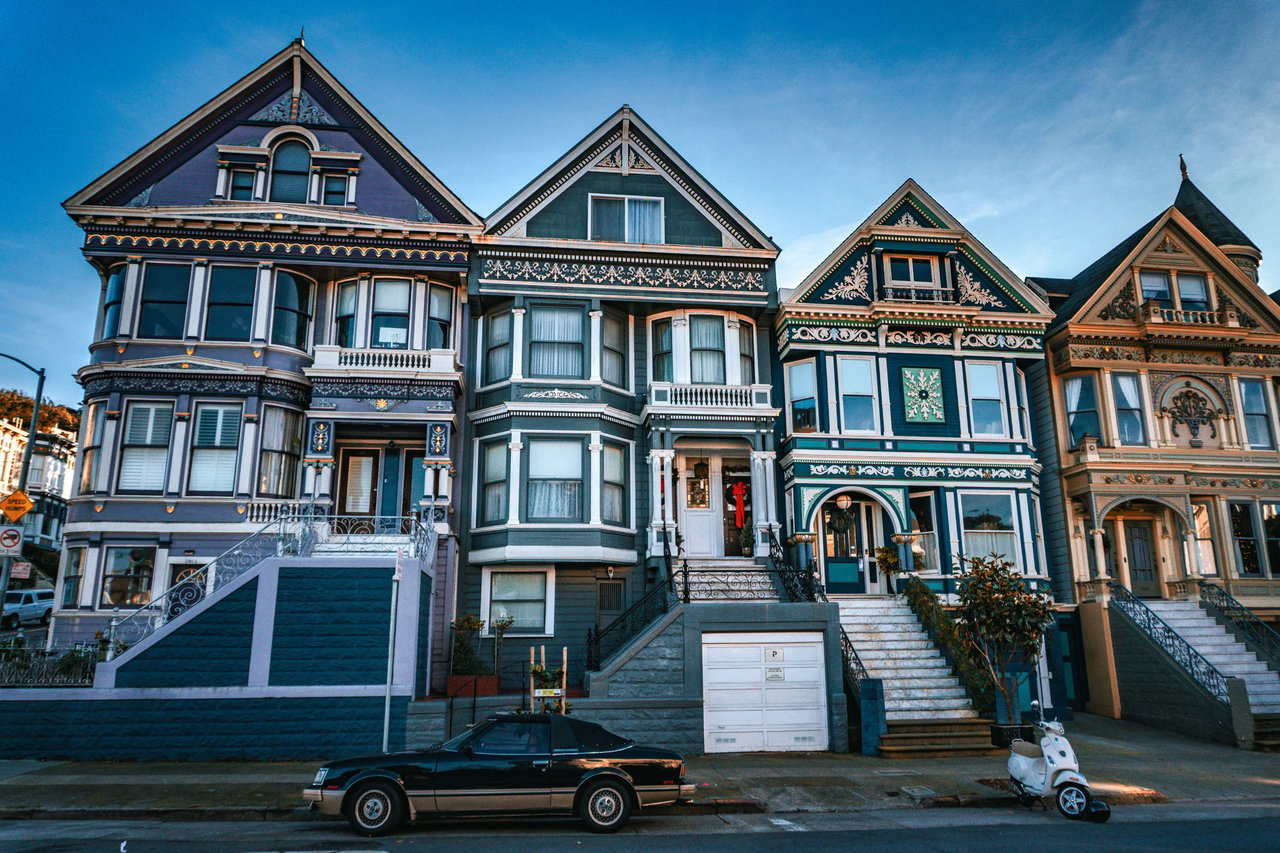
The smartest due diligence in San Francisco real estate starts a century before the listing.

Two extraordinary homes, the same money, and no obvious answer. The question I ask buyers is not which one they prefer. It is which one they will never get another sho… Read more

Price per square foot is the number most sellers glance at and almost no one reads correctly. It measures your address, not your house.

A renovation can change almost everything about a house. It can change nothing about what sits outside the front door. How to read permanence across San Francisco.
Maximize Your Real Estate Potential