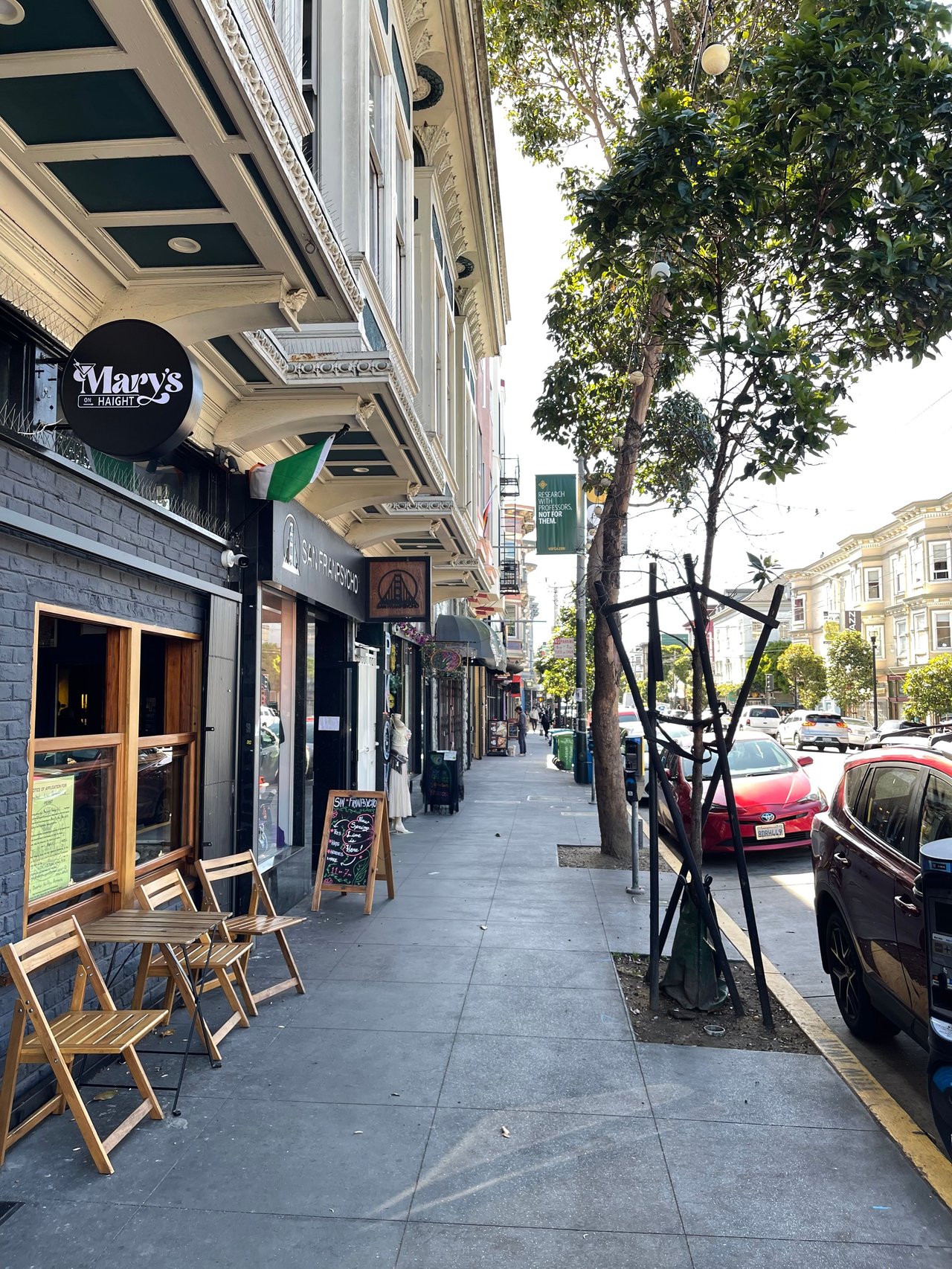
The Two-Minute Rule: How Great Streets Set Home Values
Shalini Sadda
Shalini Sadda
Key Takeaways
San Francisco's most valuable residential blocks cluster around a handful of great commercial corridors: Union, Fillmore, Chestnut, 24th Street, Sacramento.
The premium comes from a specific combination: walkable amenities inside preserved residential architecture.
The health of a corridor is a leading indicator for the blocks around it. I watch storefronts the way analysts watch earnings.
There's a question I ask every buyer before we look at a single home: what do you want to be two minutes from your front door?
Because in San Francisco, that answer sets the price as much as the home does. This is a city of corridors. Union Street in Cow Hollow. Fillmore through Pacific Heights. Chestnut in the Marina. 24th Street in Noe Valley. Sacramento along Presidio Heights. Each one is a spine of shops, restaurants, and daily life, and the residential blocks around each carry a measurable premium for that proximity.
What makes the premium durable is how these corridors were built. Walk Union Street and look above the awnings: bay windows, cornices, the bones of Victorian homes converted storefront by storefront over a century. Cow Hollow scores a 94 for walkability, a level Walk Score classifies as a walker's paradise. That's the San Francisco formula in one block: full amenities inside preserved architecture. You get the convenience of a city and the streetscape of another era, and there is no way to build that combination new.
Here's how I actually use corridors in my work.
For buyers, the corridor is the tiebreaker. Two comparable homes, similar block, similar condition: the one with the stronger corridor within a short walk is the better long-term hold. A renovation can transform everything inside a house. As I wrote in Location vs Renovation, it can change nothing about what sits outside the front door. The corridor is the part of the purchase you can never remodel your way into.
For sellers, the corridor is part of your listing. When I position a home, the street life nearby is in the story: the coffee, the boutiques, the restaurant that's held its corner for decades. Buyers relocating from other cities often can't picture San Francisco's village-in-a-city texture until you show them, and showing them is the job.
For both, the corridor is a leading indicator. I watch storefronts the way an analyst watches earnings. New openings, lines outside a restaurant on a Tuesday, a legacy business renewing its lease of decades: these tell you the blocks around it are healthy before the sales data does. It's one of the signals a listing never shows, and a thriving corridor pulls its neighborhood up with it.
And this is where citywide knowledge earns its keep. Corridors are not interchangeable. Chestnut skews younger and busier. Sacramento is quiet, almost private. 24th Street is the most family-oriented shopping street in the city. Matching a client to the right corridor is really matching them to a daily life, and that's a more important decision than any single feature inside the home.
So before your next search, or your next sale, walk the street first. The home is what you buy. The street is what you live.
"I watch storefronts the way an analyst watches earnings. A thriving corridor pulls its neighborhood up with it." - Shalini Sadda
FAQs
How much value does proximity to a commercial corridor add? It varies by corridor and block, but the premium is consistent enough that I treat it as a core part of any valuation. The closer a home sits to a healthy corridor while keeping a quiet block, the stronger the effect.
Can a home be too close to a commercial street? Yes. The sweet spot is typically one to three blocks: full walkability without the noise and traffic of the corridor itself.
Which corridor is right for me? That depends on the daily life you want, since each corridor has a distinct personality. It's one of the first conversations I have with every buyer.
Sources
Photo by Alex Romo
Stay up to date on the latest real estate trends.
You're not just buying a home in San Francisco. You're buying the street two minutes from your front door.
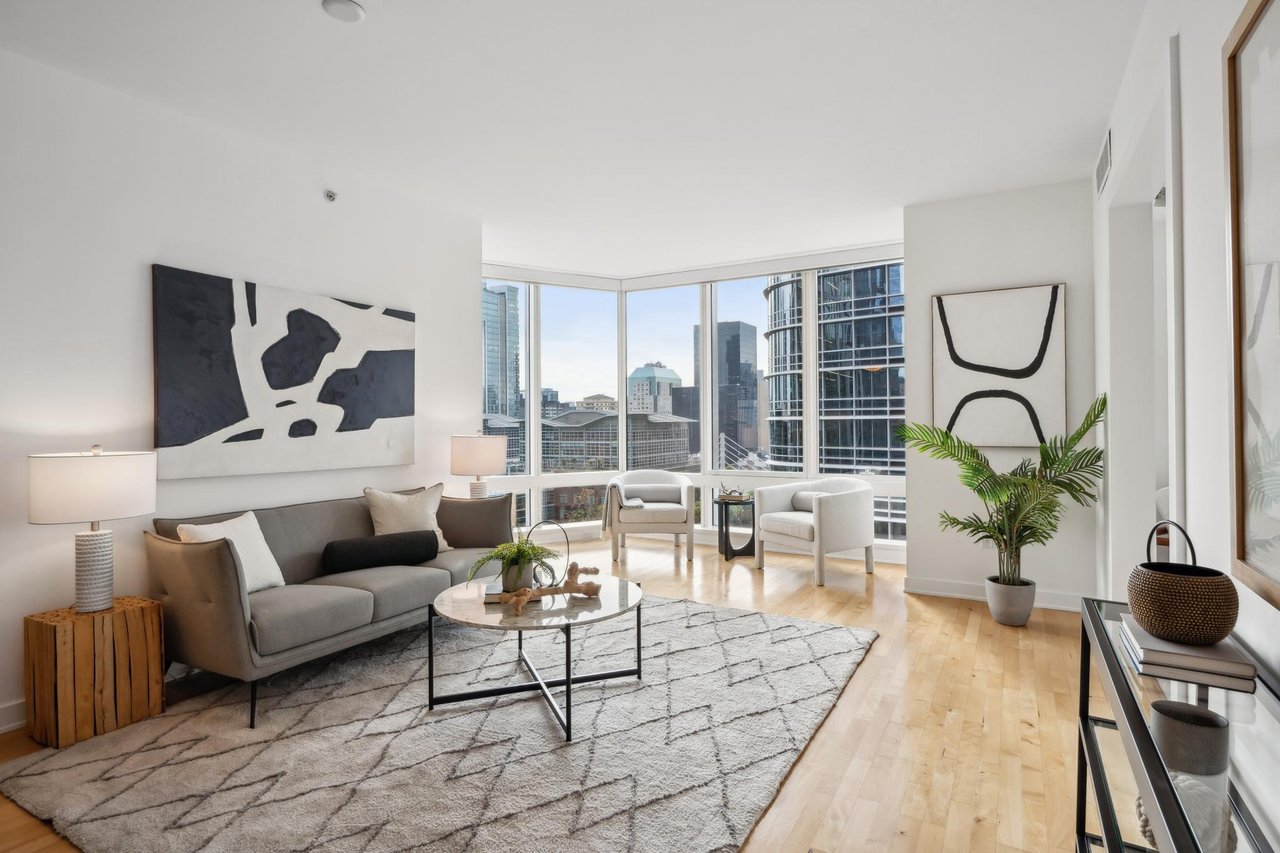
The asking price was never the value. It was the strategy.
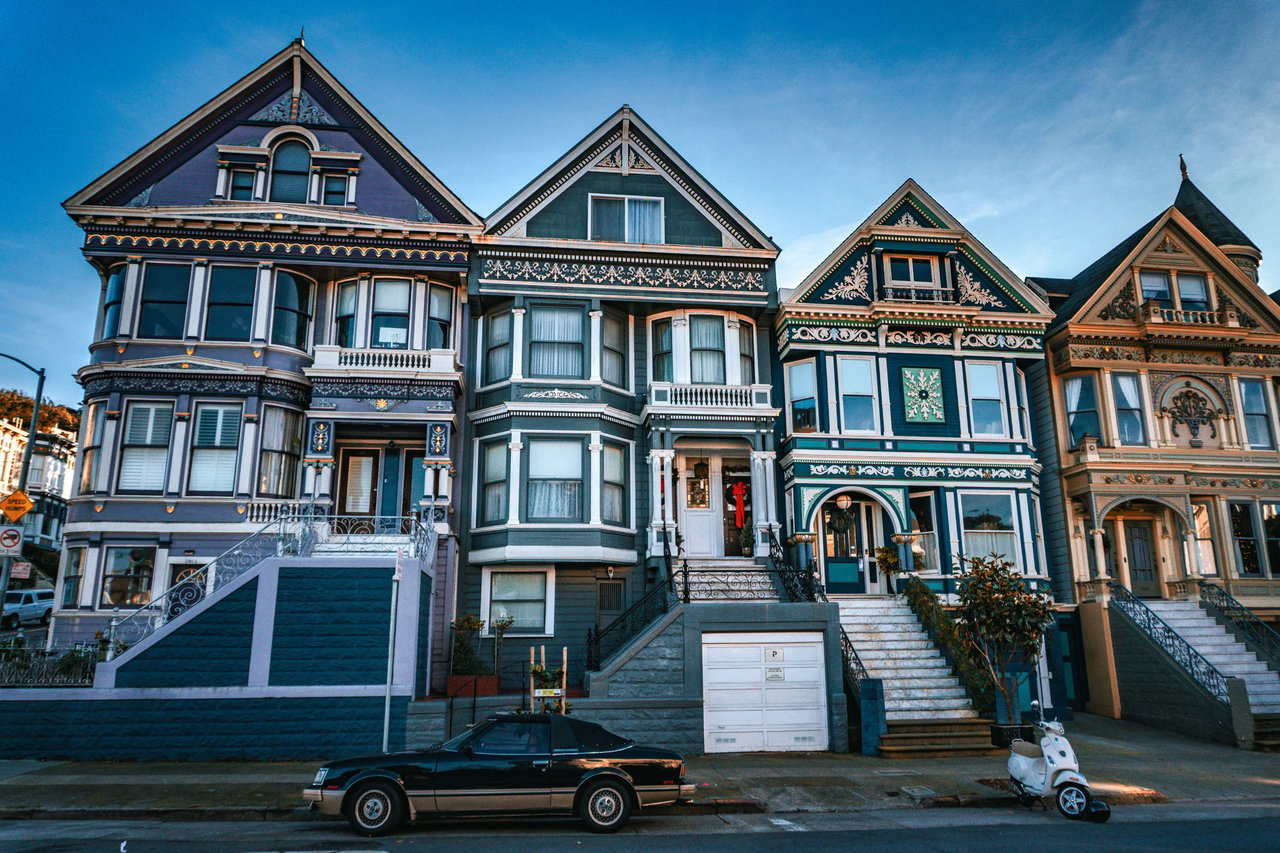
The smartest due diligence in San Francisco real estate starts a century before the listing.
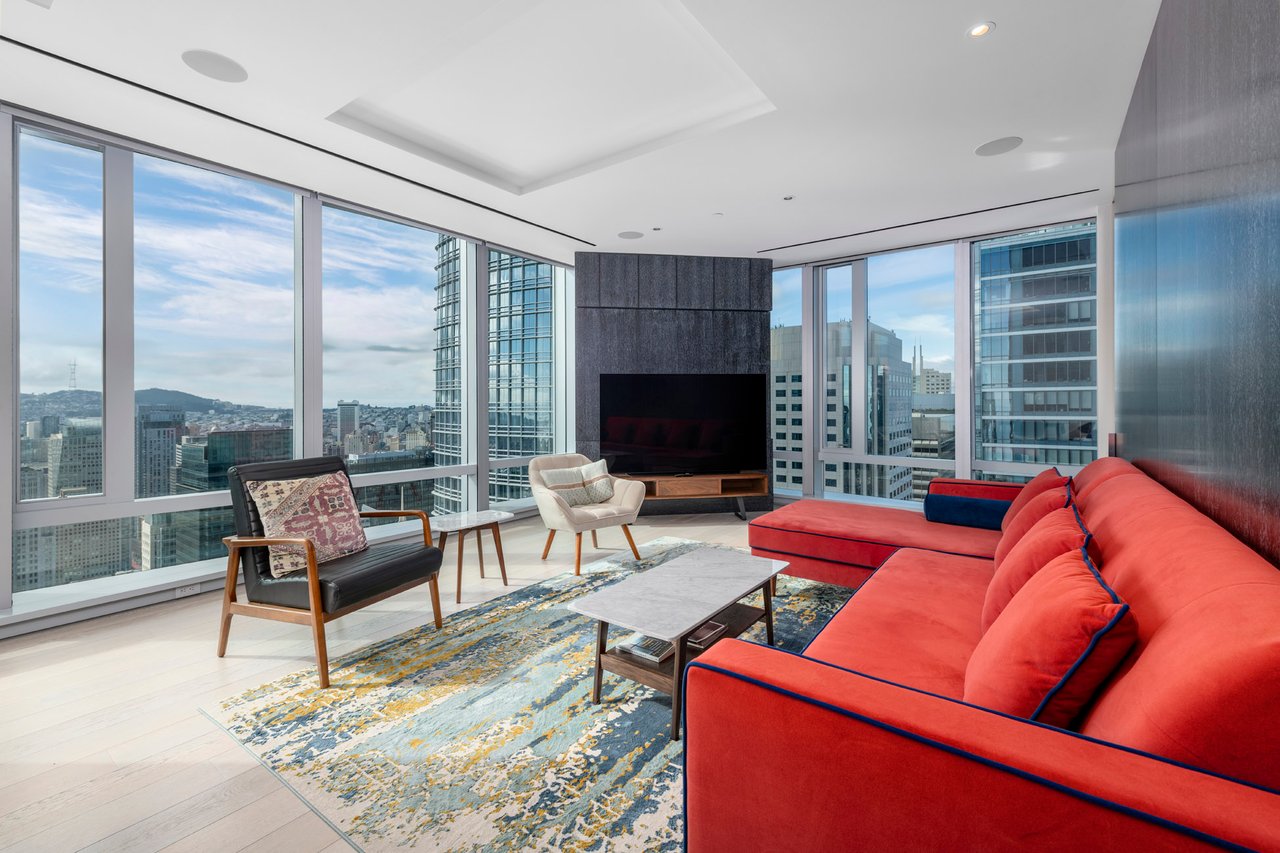
Two extraordinary homes, the same money, and no obvious answer. The question I ask buyers is not which one they prefer. It is which one they will never get another sho… Read more
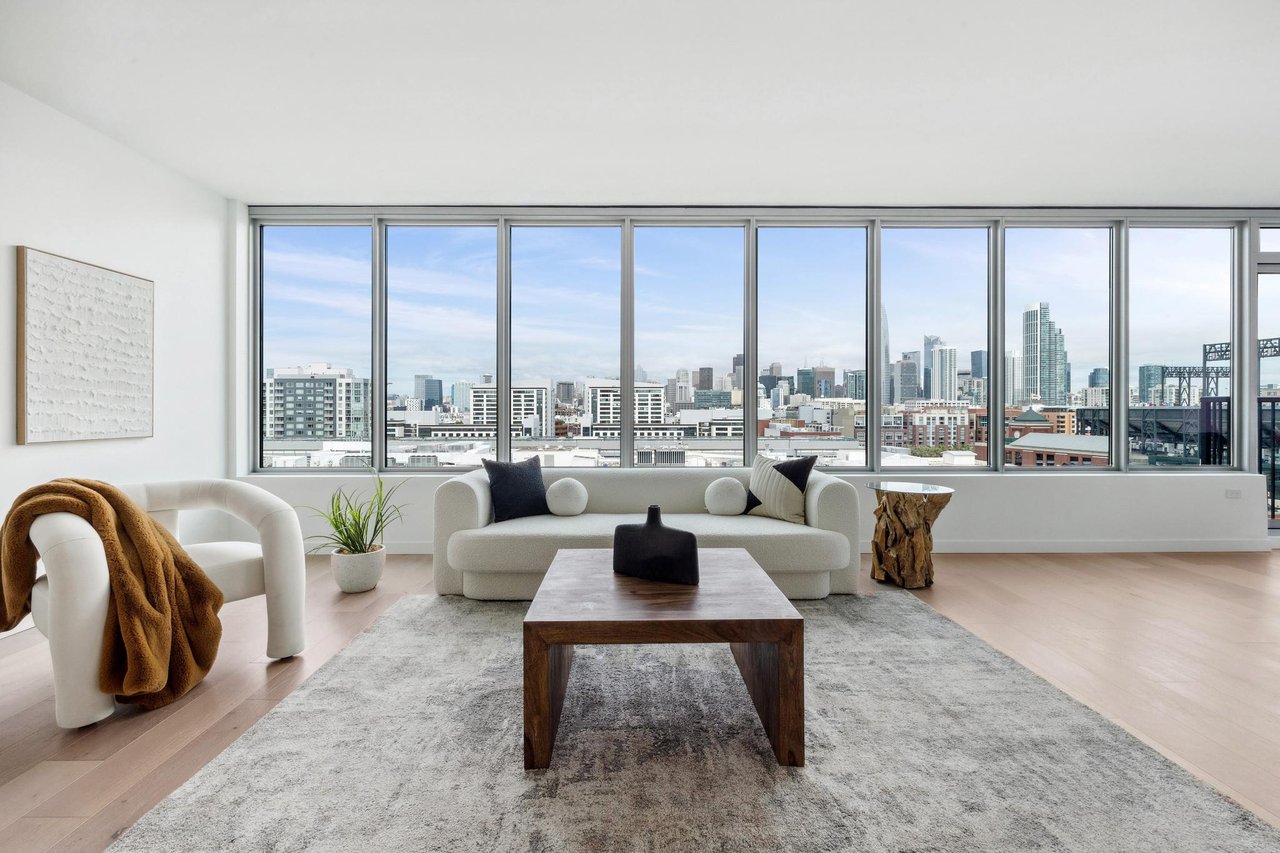
Price per square foot is the number most sellers glance at and almost no one reads correctly. It measures your address, not your house.

A renovation can change almost everything about a house. It can change nothing about what sits outside the front door. How to read permanence across San Francisco.
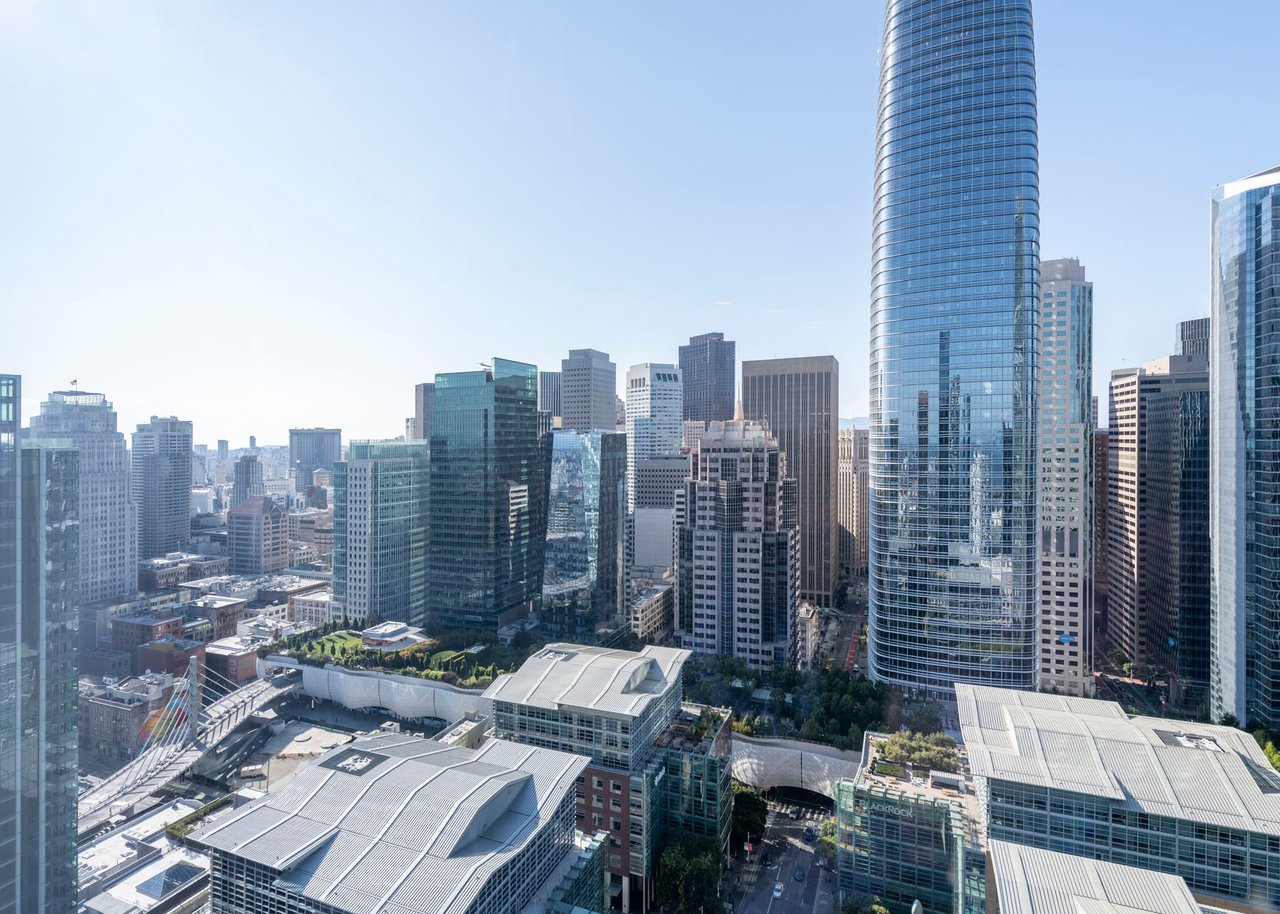
San Francisco is still building. That is not what makes the finest homes scarce. The scarcity is happening in how fast the existing ones are absorbed.
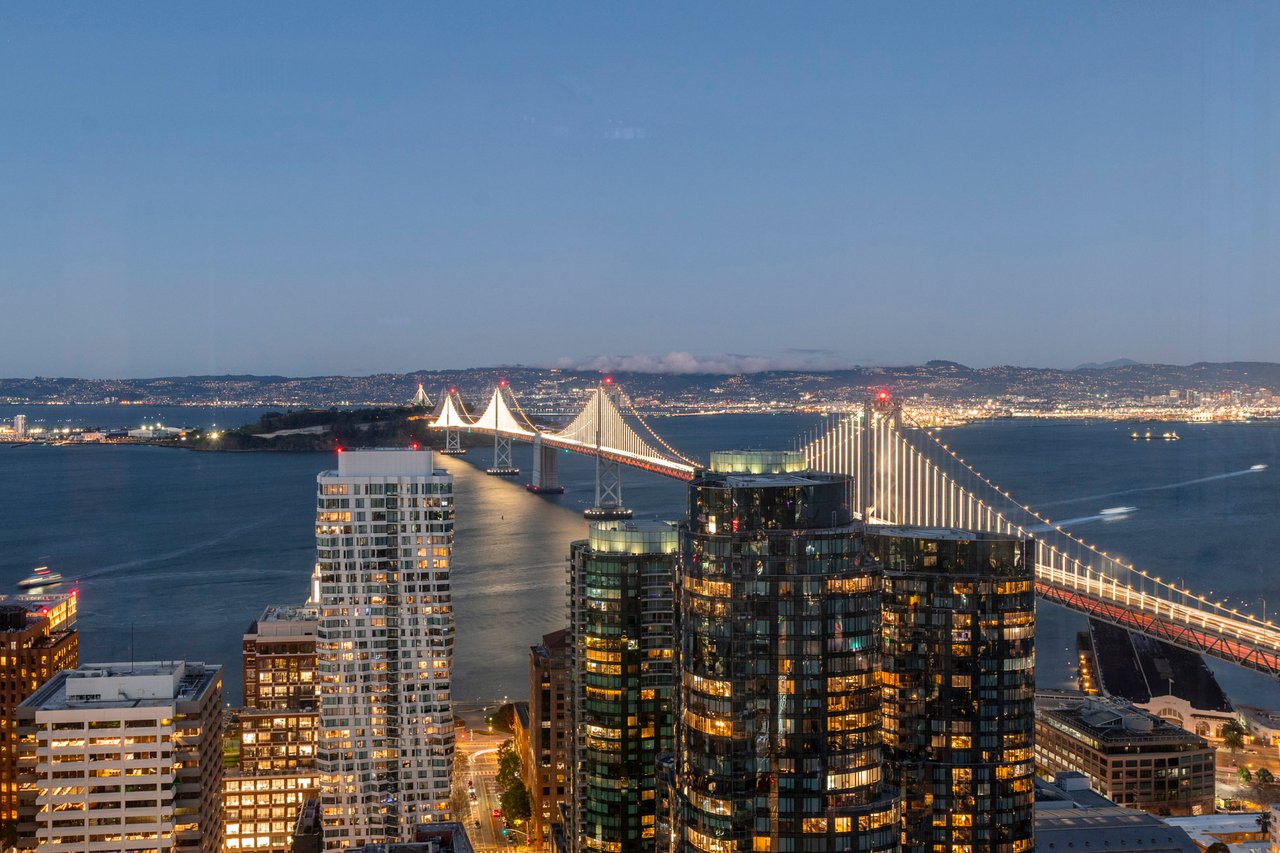
Two homes, the same price, one with the view of a lifetime, one with the room to live. Here’s the framework I use to help a buyer choose, and what people actually regr… Read more
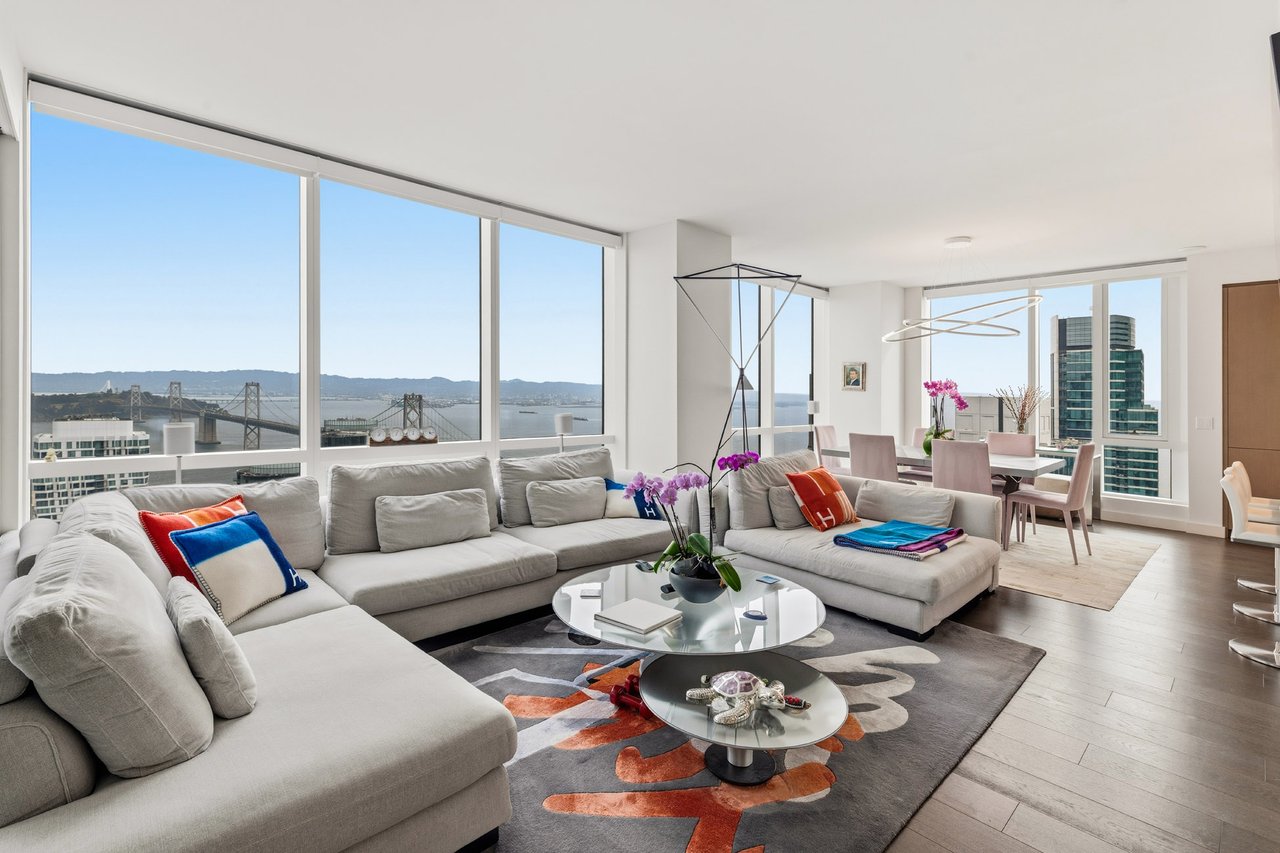
In a market this fast, days on market tells you more about your leverage than the asking price ever will, if you know how to read it.
Maximize Your Real Estate Potential