What a Neighborhood's Past Tells You About Its Price
Shalini Sadda
Shalini Sadda
Key Takeaways
Every San Francisco neighborhood's price today is an artifact of decisions made generations ago: topography, zoning, fires, and fill.
Flat land, intact architecture, and early infrastructure are the three historical signals that predict enduring value.
History is not trivia. It tells you what a neighborhood can never build more of, and scarcity is the foundation of every luxury price.
In the 1860s, some of the most expensive residential blocks in San Francisco were dairy pasture.
Cow Hollow is named literally: dozens of small farms once occupied the rare flat land between the Pacific Heights hill and the water. The farms are long gone, but that flatness is the whole story. Level blocks in a city built on 40 hills cannot be manufactured anywhere else, and the market has never stopped paying for them. Today, homes there go pending in about two weeks and sold last month at a median of roughly 13 percent over asking, according to Redfin.
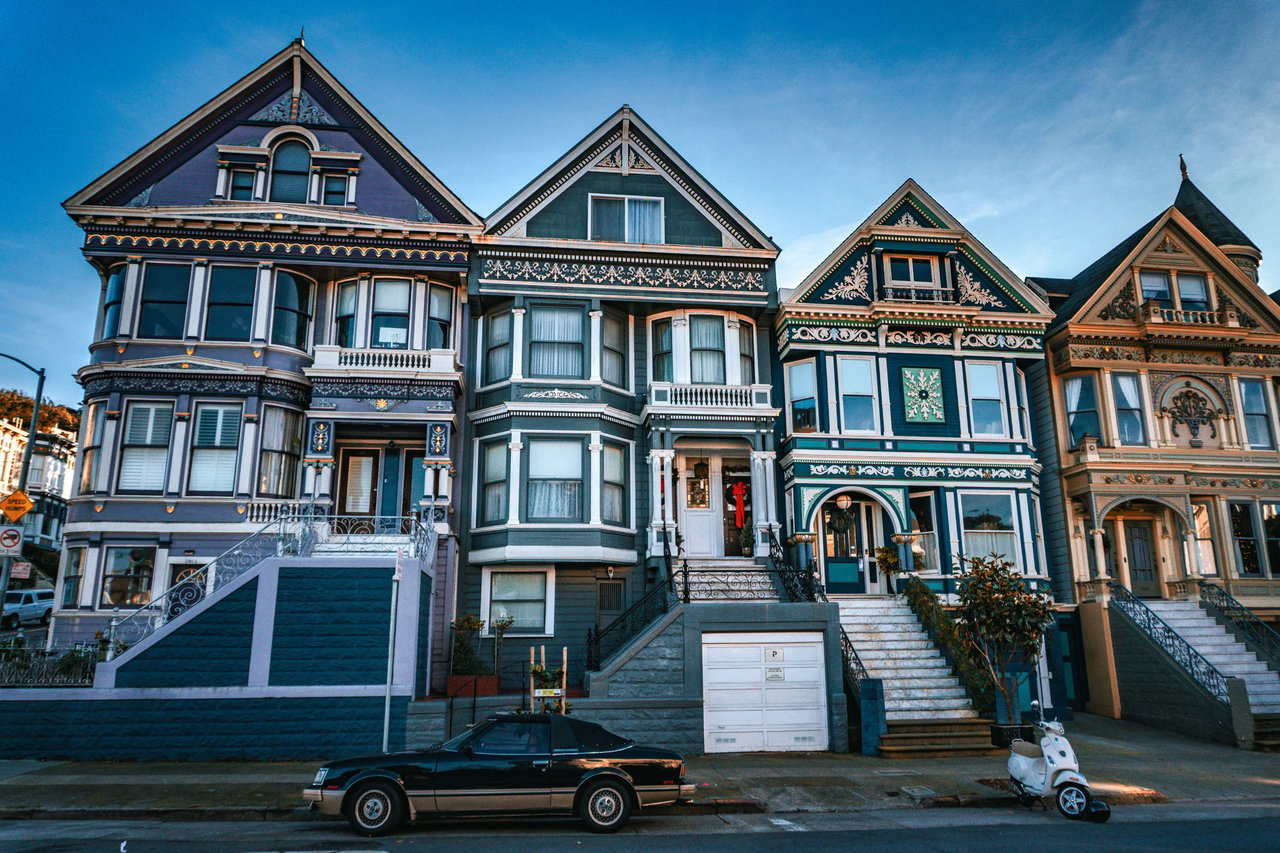
After years of walking buyers and sellers through this city, I've learned that the best predictor of what a home is worth tomorrow is often what its neighborhood was a hundred years ago. The pattern repeats everywhere. In NoPa, the blocks that survived the 1906 fire hold some of the oldest intact Victorians in San Francisco, and buyers pay for that authenticity because it cannot be rebuilt. In South Beach, brick warehouses that once served the port became the loft stock that defined a new kind of San Francisco luxury. In Presidio Heights, the quiet is a historical artifact too: the Presidio's protected land guarantees that the northern edge of the neighborhood will never change.
So when I evaluate a property, I'm asking three historical questions.
First: what does the land itself remember? Flat blocks in a hill city, protected sight lines, adjacency to permanent open space. These are conditions set long before any of us arrived, and they are the qualities no renovation can add and no market cycle can erase.
Second: what survived? Original architecture, intact facades, a streetscape that still reads as it did in 1910. San Francisco buyers at the top of the market are buying continuity. A block that kept its character through earthquake, fire, and every building boom since has proven it will keep it through the next one.
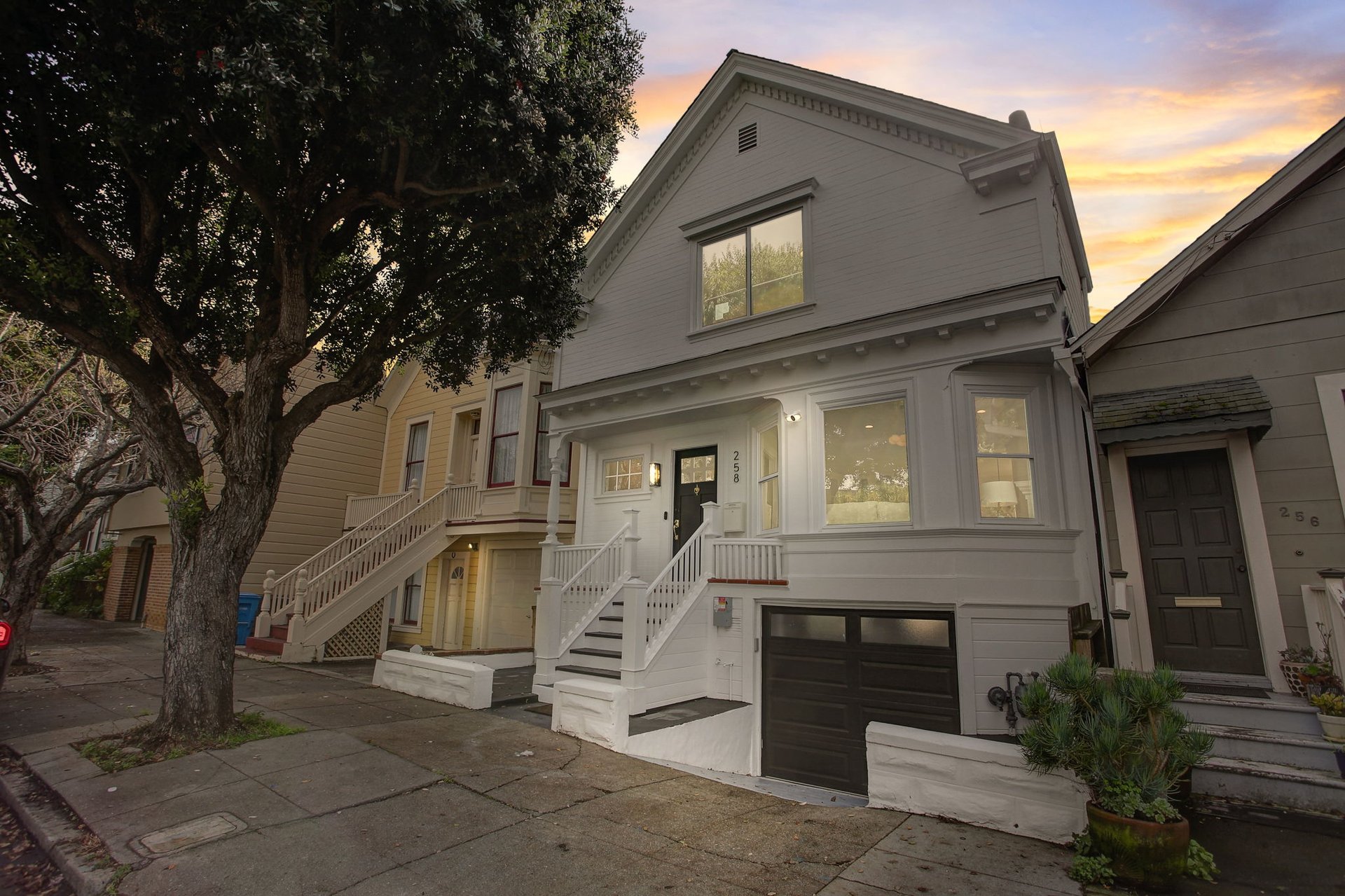
This home on Richland Avenue offered the original architecture
Third: what can never be added? This is the scarcity question, and it's the one that ultimately sets luxury prices. As I explored in Why San Francisco Luxury Homes Are Getting Rarer, the city will build more square footage. It will not build more flat Victorian blocks beside a national park.
Sellers should read their own neighborhood the same way. The history under your home is part of your asset, and most listings never mention it. When I prepare a property, that story goes into the positioning, because a buyer who understands why a block exists understands why it commands its price.
And buyers, especially those choosing between two homes at the same number, should let history break the tie. History is one of the signals a listing never shows, and one of those homes usually sits on ground the city can never make more of.
Pasture became prestige in Cow Hollow because of what the land was. Somewhere in the city right now, the same equation is quietly working. My job is knowing where.
"The city will build more square footage. It will not build more flat Victorian blocks beside a national park." - Shalini Sadda
FAQs
Does a neighborhood's history actually affect resale value? Yes, because history is usually a proxy for scarcity: flat land, intact architecture, and protected surroundings. Those qualities can't be replicated, so they hold value across market cycles.
Which San Francisco neighborhoods have the strongest historical scarcity? Cow Hollow, Presidio Heights, and the fire-survivor blocks of NoPa are strong examples, each for a different reason. But nearly every neighborhood has pockets of it, which is why block-level knowledge matters more than neighborhood averages.
Should sellers mention neighborhood history in their marketing? Absolutely, when it's specific and true. A verifiable story about why a block exists gives buyers a reason to believe the price.
Sources
Stay up to date on the latest real estate trends.
The season matters less than you think. The competition the week you launch matters more than you know.
You're not just buying a home in San Francisco. You're buying the street two minutes from your front door.
The asking price was never the value. It was the strategy.
The smartest due diligence in San Francisco real estate starts a century before the listing.
Two extraordinary homes, the same money, and no obvious answer. The question I ask buyers is not which one they prefer. It is which one they will never get another sho… Read more
Price per square foot is the number most sellers glance at and almost no one reads correctly. It measures your address, not your house.

A renovation can change almost everything about a house. It can change nothing about what sits outside the front door. How to read permanence across San Francisco.
San Francisco is still building. That is not what makes the finest homes scarce. The scarcity is happening in how fast the existing ones are absorbed.
Two homes, the same price, one with the view of a lifetime, one with the room to live. Here’s the framework I use to help a buyer choose, and what people actually regr… Read more
Maximize Your Real Estate Potential