
Where San Francisco Buyers Still Have Room to Negotiate
Shalini Sadda
Shalini Sadda
San Francisco's market is intense overall, but competition varies sharply from one neighborhood to the next.
Redfin's Compete Score, a 0 to 100 rating of how hard it is to win a home, ranges from the 50s to the 90s across neighborhoods only blocks apart.
In the most competitive neighborhoods, winning often means waived contingencies and a price well over asking. In calmer ones, buyers can often keep protections and negotiate.
Knowing which market you are in before you write an offer is one of the biggest advantages a buyer can have.
If you read the headlines this year, you'd think every home in San Francisco sells in a weekend, to an all-cash buyer, for millions over asking. Some of them do. But talk to buyers who actually closed this fall, and you'll hear two very different stories depending on where they bought.
San Francisco isn't one market. It's a collection of neighborhood markets, each moving at its own speed. For a buyer, understanding that difference is the starting point for every smart decision that follows.
Redfin publishes a Compete Score for each neighborhood, rating how competitive it is on a scale of 0 to 100. Compare a few neighborhoods that sit within a short walk of each other.
In the Marina, the score is 91, which Redfin rates "Most Competitive." The average home there sells for about 14% above list and goes pending in around 14 days. Pacific Heights scores 89, with the average home selling about 10% over list in roughly 13 days.
A few blocks east, Russian Hill scores 79. The average home there sells for about 4% above list and goes pending in around 24 days.
Then there is Nob Hill, at 57. There, Redfin reports that some homes get multiple offers, and the average home sells for about 3% above list after roughly seven weeks.
These are some of the most storied addresses in the city, all within a short walk of each other. Yet a buyer's experience in each can be completely different.
"Same city, very different leverage. The buyers who win know which market they are in before they write a single offer." - Shalini Sadda
A Compete Score isn't a verdict on a neighborhood's value. Some of the most desirable homes in San Francisco sit in neighborhoods with lower scores, often because of the type of housing there, the mix of buildings, or simply the rhythm of who is buying and selling that season.
What the score does change is how you should write your offer.
In a 90-plus neighborhood, competition sets the terms. Redfin notes that most homes there get multiple offers, often with waived contingencies. To win, you need to be fully prepared before the home even lists, with financing ready, inspections reviewed early and a clear sense of how far above asking you're willing to go.
In a neighborhood in the 50s, the buyer has more say. You can often keep your inspection contingency, take a second look before committing, and negotiate on terms as well as price: timing, credits, or what stays with the home. You're still competing for a well-priced home, but you're competing on more balanced ground.
The property type matters too. Much of San Francisco's condominium market moves differently from its single-family market. In South Beach, for example, Redfin's listings show that most homes stay on the market for around two months and typically receive a single offer.
That doesn't mean every condo is easy to win. Well-located, well-run buildings still draw strong interest, and The San Francisco Standard has reported that condos at any price point are more likely than houses to sell for cash. But for a buyer who is open on property type, the condo market can offer more time and more room to negotiate. My guide on condo versus single-family homes walks through how to weigh that choice.
When I start working with a buyer, one of our first conversations is about the map, not the listings. Here's how I approach it:
Define the life first, then the neighborhoods. Commute, schools, walkability and the kind of home you want come first. Then we look at every neighborhood that fits, not just the two or three everyone talks about.
Read the competition for each one. If two neighborhoods meet your needs and one runs at a 90 while the other runs in the 50s or 60s, that difference shapes your strategy, your timeline and often your price.
Write each offer for the market it's in. In the most competitive pockets, preparation wins: a clean offer, ready on day one. In calmer ones, patience and negotiation can save you real money and protect you with contingencies you'd otherwise have to give up.
Stay ready to move either way. The best homes in any neighborhood still draw serious interest. The Luxury Buyer's Playbook covers how to prepare so that when the right home appears, you can act.
The headline San Francisco market is real, but it's not the whole story. Across the city, buyers are winning homes on very different terms, depending on where they look and what they buy.
If you're starting a search this winter, I'd be glad to walk you through the competition map for the neighborhoods on your list, and help you find the places where you still have room to think.
Which San Francisco neighborhoods are the most competitive for buyers right now? According to Redfin, the Marina and Pacific Heights are among the most competitive, with Compete Scores of 91 and 89. In those neighborhoods, the average home sells about 10 to 14% above list in roughly two weeks.
Can buyers still negotiate in San Francisco? Yes, especially in neighborhoods with lower Compete Scores and in parts of the condo market. In those areas, buyers can often keep contingencies and negotiate on terms as well as price.
What is Redfin's Compete Score? It's a 0 to 100 rating of how competitive it is to buy a home in a given area, where 100 is the most competitive. It reflects factors like how quickly homes sell and how far above list price they go.
Stay up to date on the latest real estate trends.
The headlines say every home sells in a bidding war. The data says the city runs at several different speeds, and smart buyers use that.

Some of the city’s most beautiful homes come with a benefit that never appears on the listing. Here’s how it works, and what it asks in return.
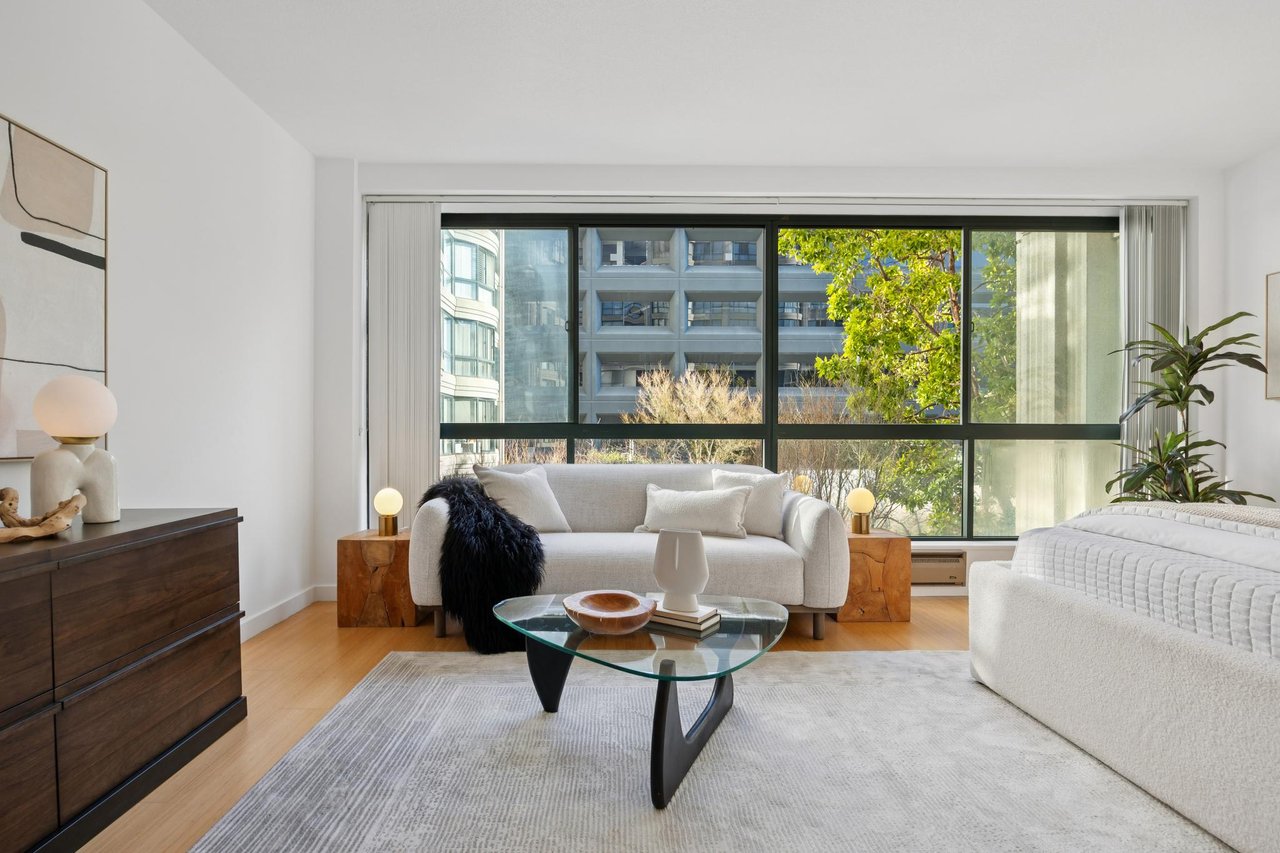
The season matters less than you think. The competition the week you launch matters more than you know.
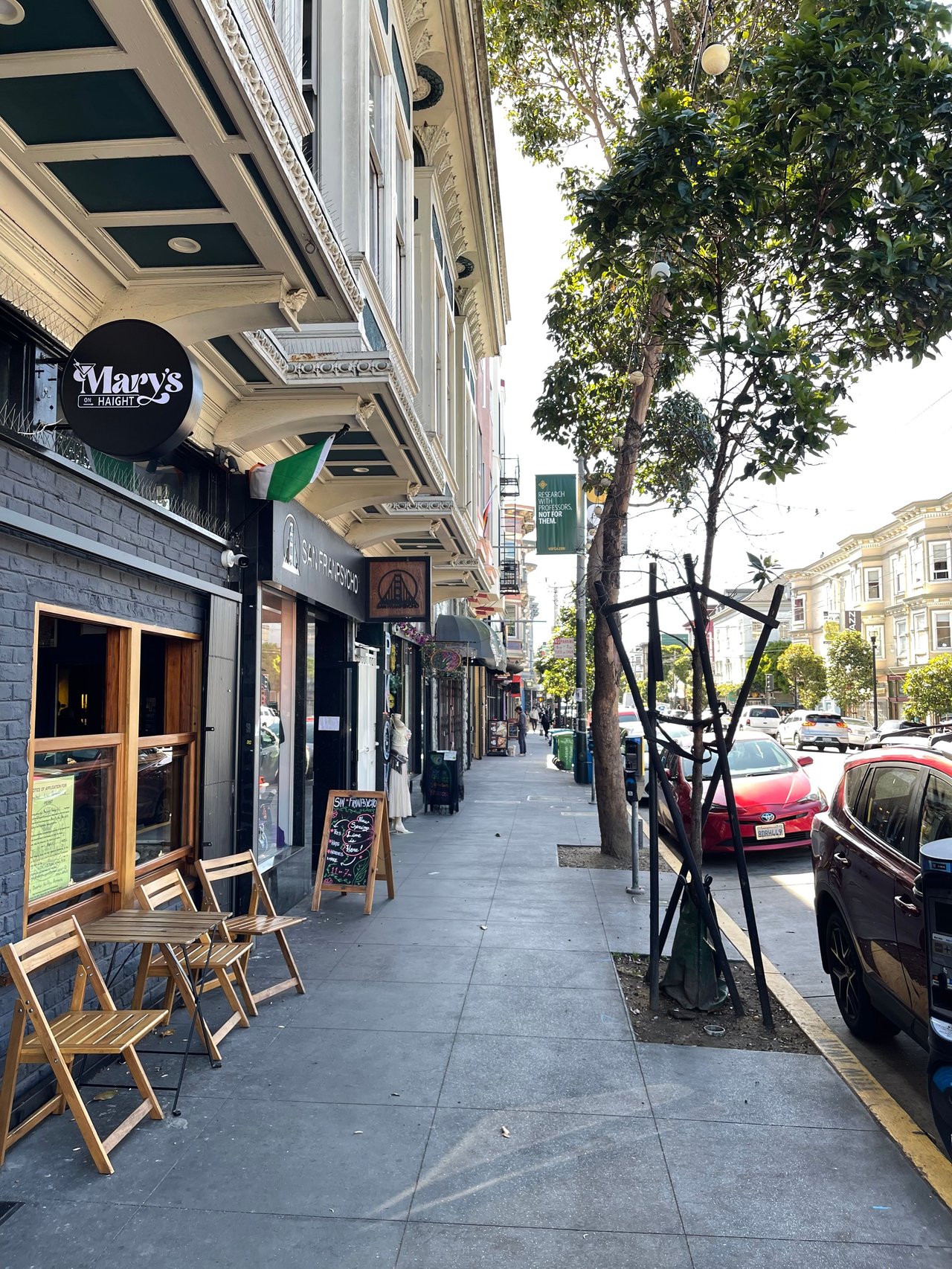
You're not just buying a home in San Francisco. You're buying the street two minutes from your front door.
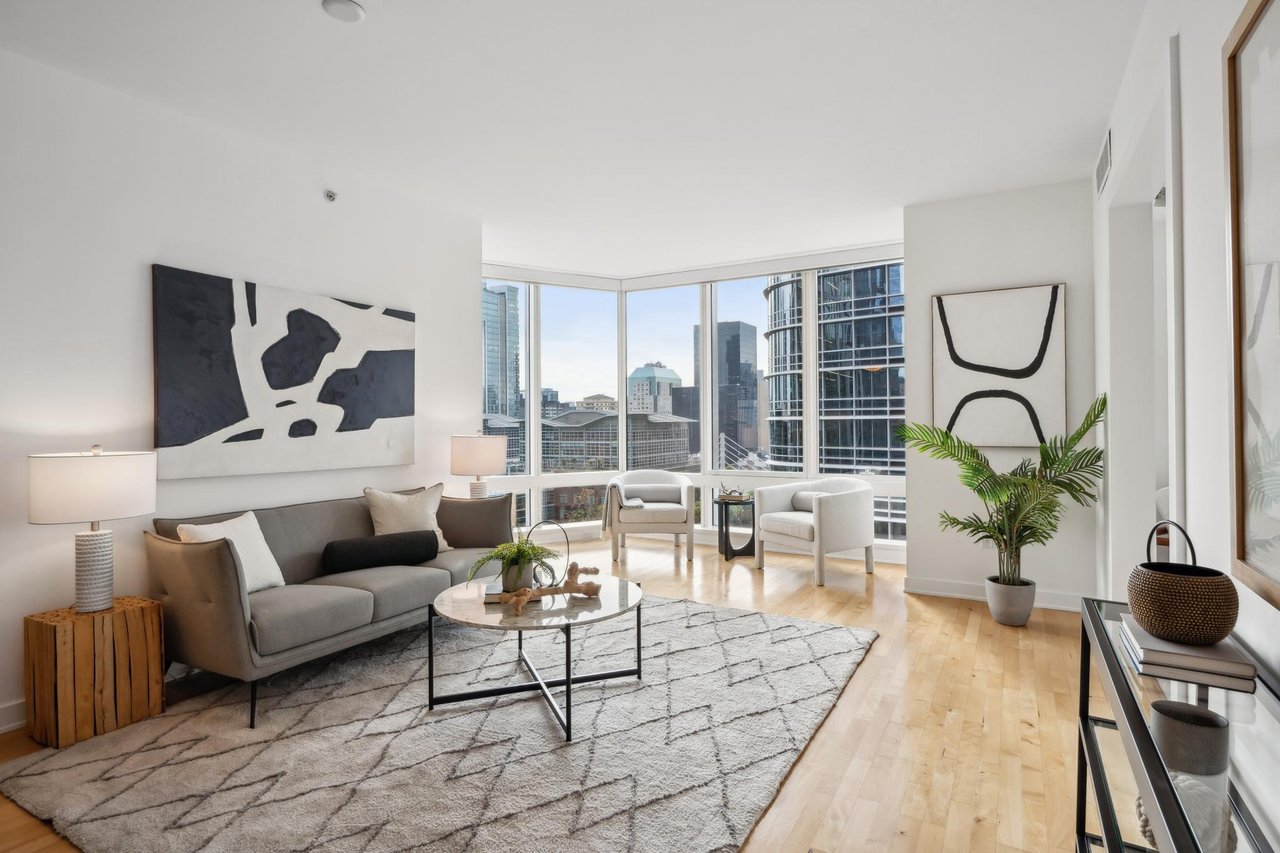
The asking price was never the value. It was the strategy.
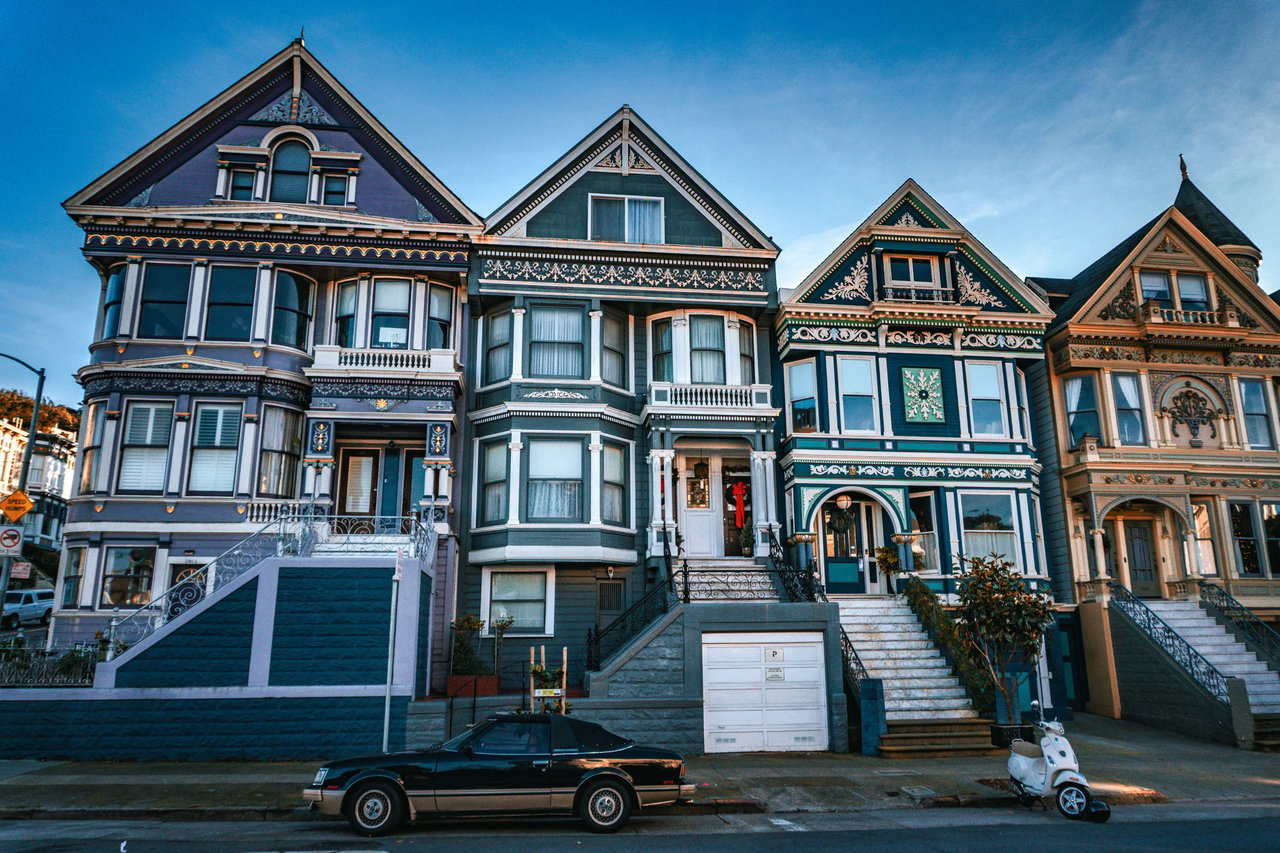
The smartest due diligence in San Francisco real estate starts a century before the listing.
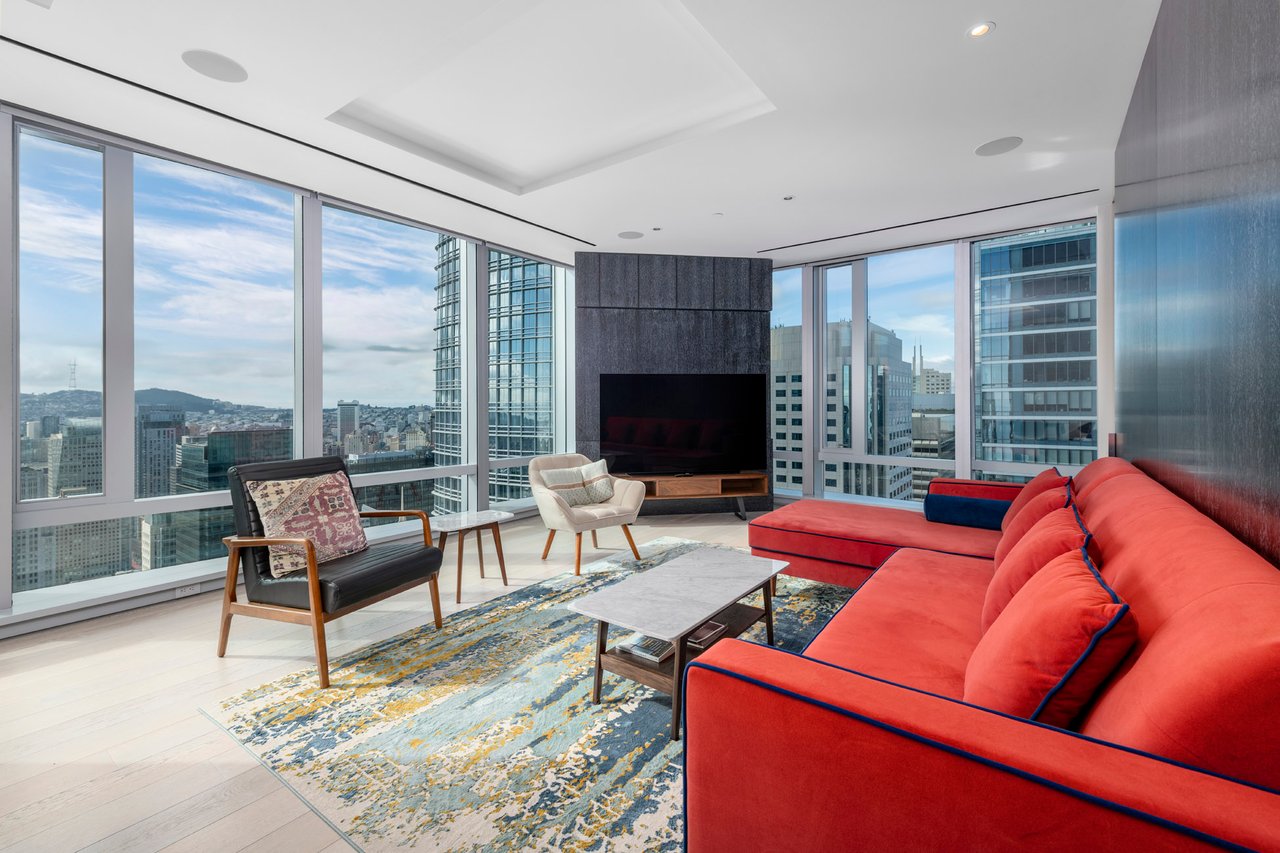
Two extraordinary homes, the same money, and no obvious answer. The question I ask buyers is not which one they prefer. It is which one they will never get another sho… Read more
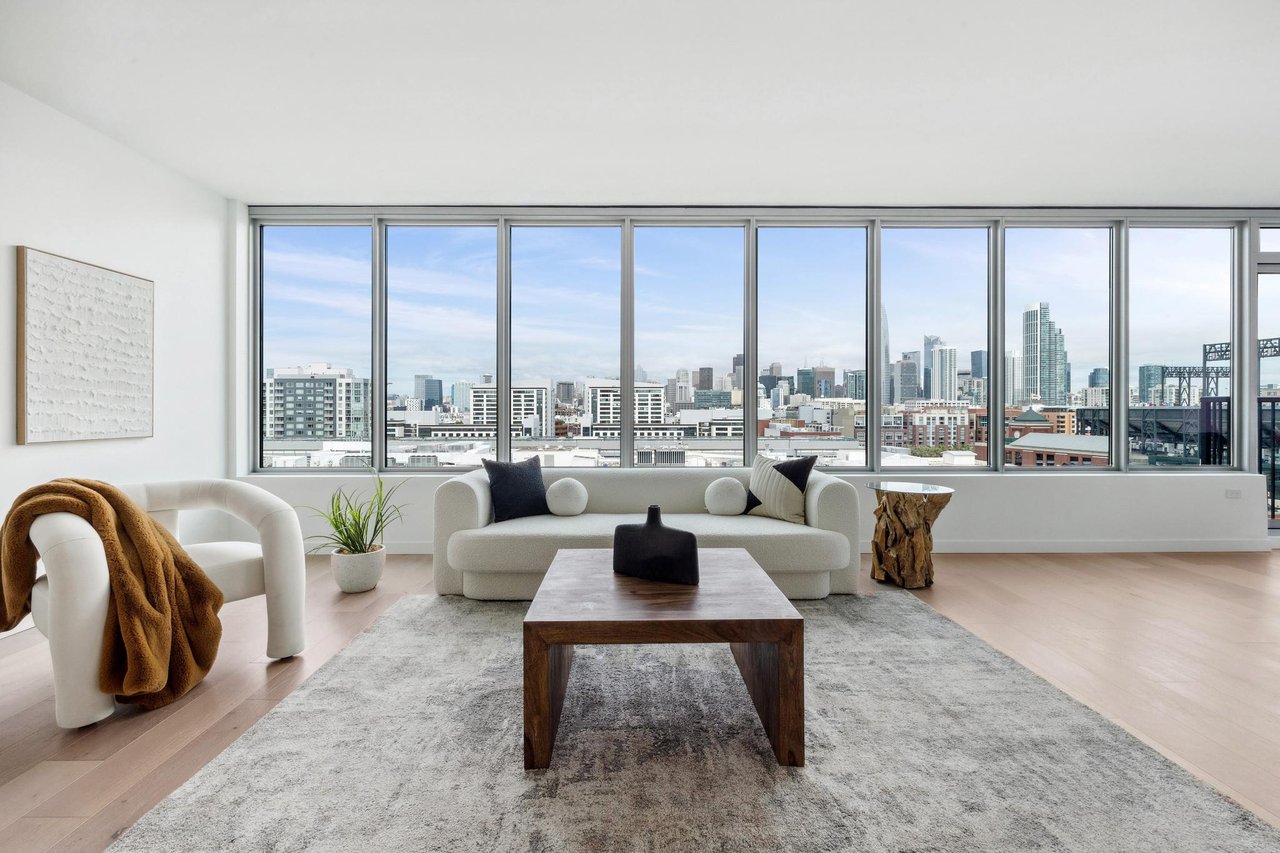
Price per square foot is the number most sellers glance at and almost no one reads correctly. It measures your address, not your house.

A renovation can change almost everything about a house. It can change nothing about what sits outside the front door. How to read permanence across San Francisco.
Maximize Your Real Estate Potential