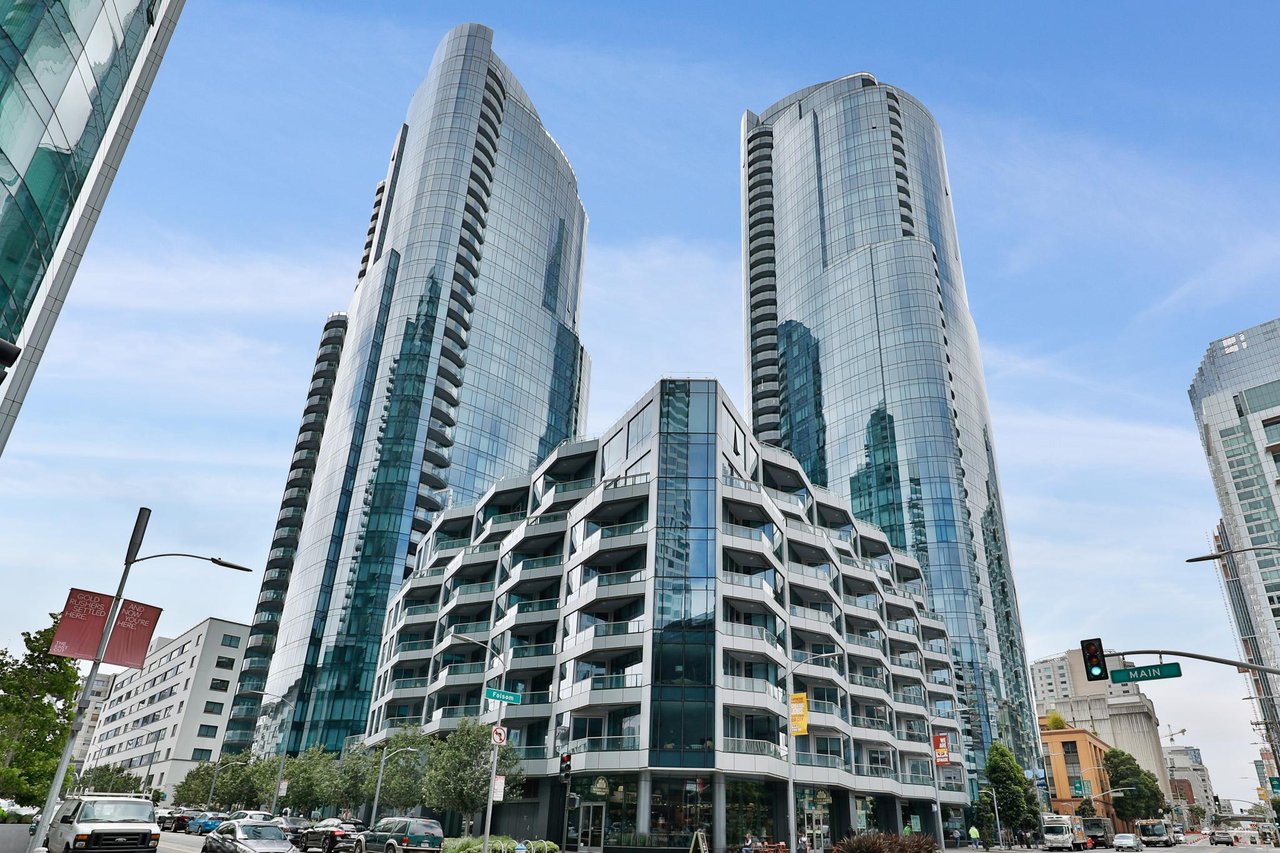
Sell First or Buy First? How San Francisco Homeowners Should Decide
Shalini Sadda
If you're selling one home and buying the next, the order you choose shapes your leverage on both sides of the move.
In San Francisco's current market, an offer that depends on selling your current home first rarely wins a competitive home.
Buying first lets you move once and compete with a clean offer, but you need to be able to carry two homes for a time.
Selling first gives you certainty on your number, but you need a plan for where you'll land in between.
The decision belongs in the winter. Financing and preparation take time, and spring moves fast.
Almost every homeowner who plans to sell and buy asks me the same question at our first meeting: which one comes first?
It sounds like a scheduling question. It's really a strategy question. The order you choose decides how strong your offer is on the home you want, how much pressure you feel selling the home you have, and how many times you pack a moving truck. And in today's San Francisco, the answer is different than it would be in most other markets.
In much of the country, a buyer can still write an offer that depends on selling their current home first, and a seller may accept it. Here, that path has narrowed considerably.
One in three San Francisco homes sold all cash between January 1 and September 1, according to public records reported by The San Francisco Standard. The same report found that many sellers choose a lower all-cash bid over a higher financed one, simply to remove the risk of a deal falling apart. When sellers are passing on financed offers to avoid uncertainty, an offer that depends on a second sale is an even harder sell.
Even Redfin's own buy-and-sell guide warns that a sale contingency isn't advised in a competitive market. San Francisco qualifies.
So for most move-up sellers here, the real choice comes down to two clean options: buy first or sell first.
Buying first is the version most people picture when they imagine the move going well.
You find the home you want without a deadline hanging over you. You write a strong, non-contingent offer that competes on equal footing with everyone else. You move once, on your own timeline, straight from one home into the next. Then you prepare and sell your current home with no rush, presenting it at its best rather than racing to close.
The trade-off is carrying. For some period, you own two homes. That means two sets of payments, taxes and insurance, and enough liquidity to make a competitive offer before your equity is free. Many of my clients bridge that gap with a bridge loan, a home equity line, or by borrowing against investments, and the right choice depends entirely on your situation. That's a conversation to have with your lender well before you start touring.
Selling first is the more conservative path, and in many cases the stronger one.
When your home sells first, you know exactly what you have to spend. There's no guessing about your proceeds, no carrying two properties, and no pressure to accept a lower price on your current home because the clock is running on the next one. You negotiate your sale from strength, because you are not in a hurry.
The trade-off is the in-between. Once you close, you need somewhere to land while you find your next home. Some sellers negotiate a short stay in the home after closing. Others plan a few months somewhere else and treat the search as a focused project. Either way, a seller with a clear interim plan is a far more relaxed seller, and relaxed sellers tend to make better decisions.
"The order you choose decides your leverage on both sides of the move. Choose it on purpose, not by default." - Shalini Sadda
When I walk clients through this decision, I ask one question before anything else:
Can you comfortably carry both homes for a few months without it changing how you negotiate either one?
If the honest answer is yes, buying first is often the stronger play. You compete cleanly for the home you want, then sell your current home on your terms.
If the answer is no, or "only if everything goes perfectly," sell first. You'll buy with certainty, and you won't make a rushed decision on either side because the numbers are squeezing you.
If you're unsure, that's a signal in itself. It usually means the financing conversation hasn't happened yet, and that's the first thing to fix.
Most people start thinking about this in March, when the spring market is already moving. By then, the best options may already be gone.
Lining up a bridge loan or equity line takes time. So does preparing a home to sell well, from the right improvements to the right price. My guide to the Property Pricing Pyramid explains why the price you open at shapes everything that follows. On the buying side, being ready to move quickly matters just as much, which is why I put together The Luxury Buyer's Playbook for clients competing for the city's best homes.
Make the decision in December, and spring becomes a plan you carry out. Wait until March, and spring decides for you.
If you're planning a move in the coming year, I'd be glad to sit down and map out the order that fits your finances, your timeline and the homes you have your eye on.
Should I sell my San Francisco home before buying another? If you can't comfortably carry two homes for a few months, yes. Selling first gives you a known budget and removes pressure from both negotiations.
Can I make an offer contingent on selling my current home in San Francisco? You can, but in today's market it rarely wins a competitive home. Many sellers here prefer offers with no contingencies, and often favor all-cash buyers.
When should I start planning if I want to move in the spring? Start in the winter. Financing, preparing your current home and getting ready to buy all take time, and the spring market moves quickly.
Stay up to date on the latest real estate trends.
It's the first question almost every move-up seller asks me. The right answer starts with one honest question about your own finances.

The headlines say every home sells in a bidding war. The data says the city runs at several different speeds, and smart buyers use that.

Some of the city’s most beautiful homes come with a benefit that never appears on the listing. Here’s how it works, and what it asks in return.
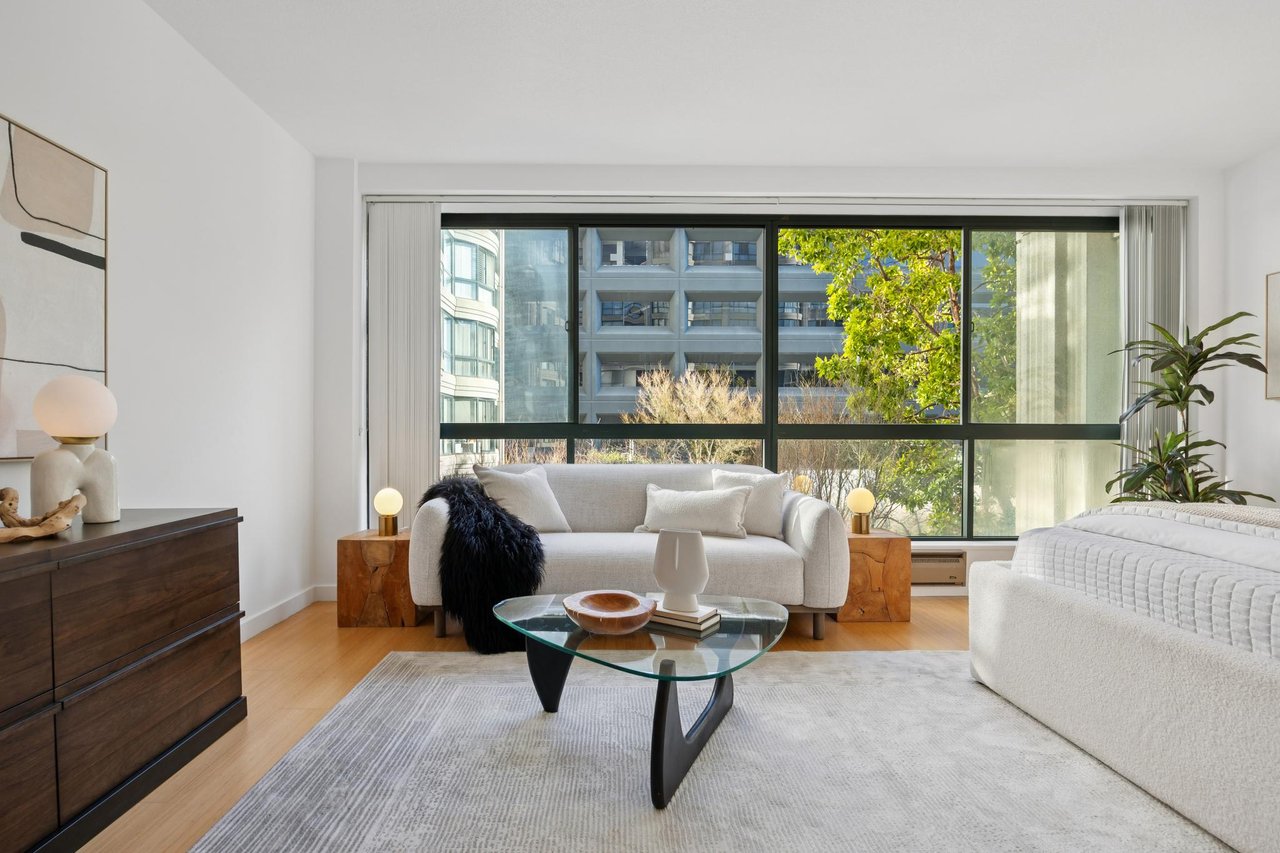
The season matters less than you think. The competition the week you launch matters more than you know.
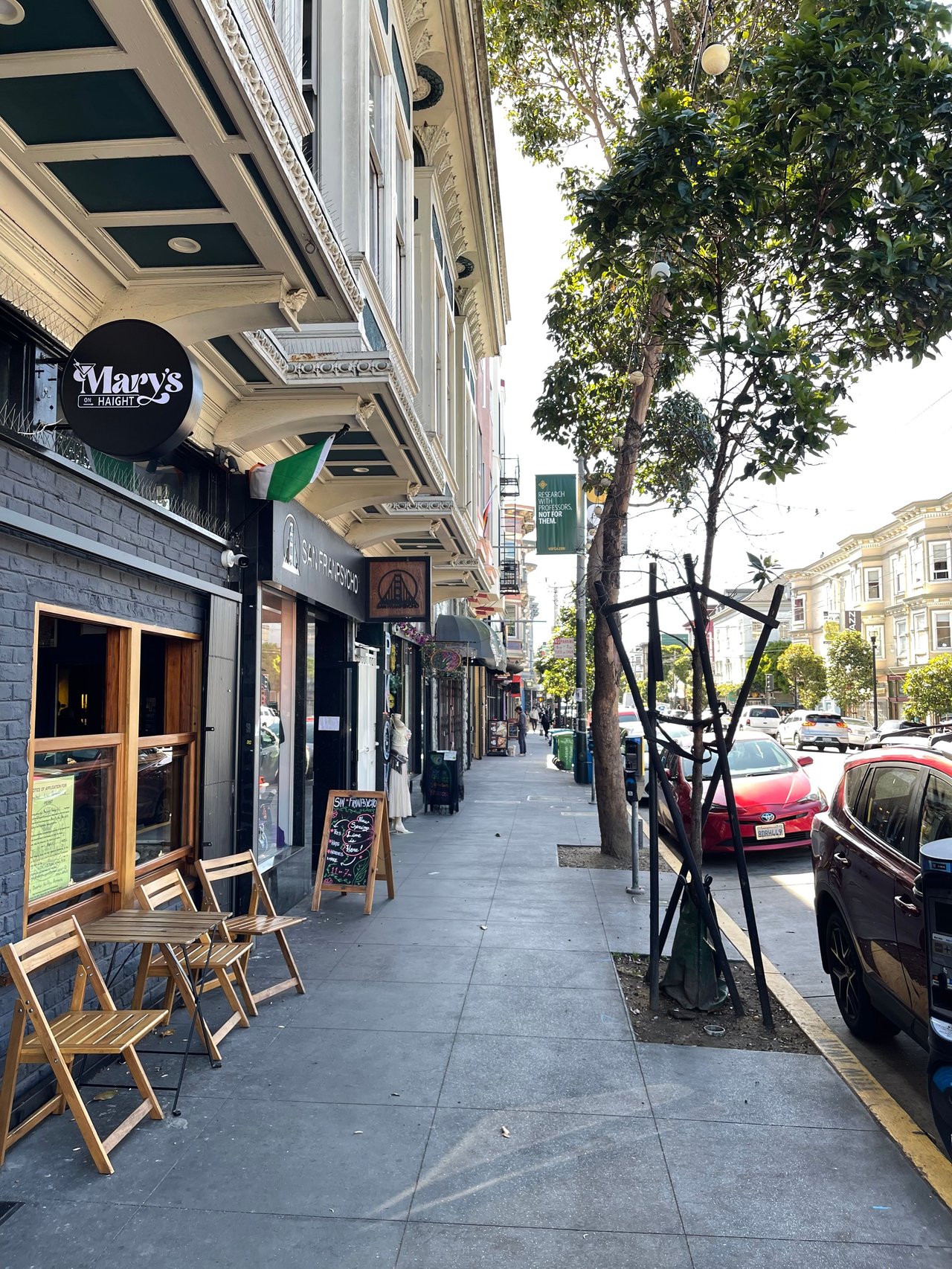
You're not just buying a home in San Francisco. You're buying the street two minutes from your front door.

The asking price was never the value. It was the strategy.
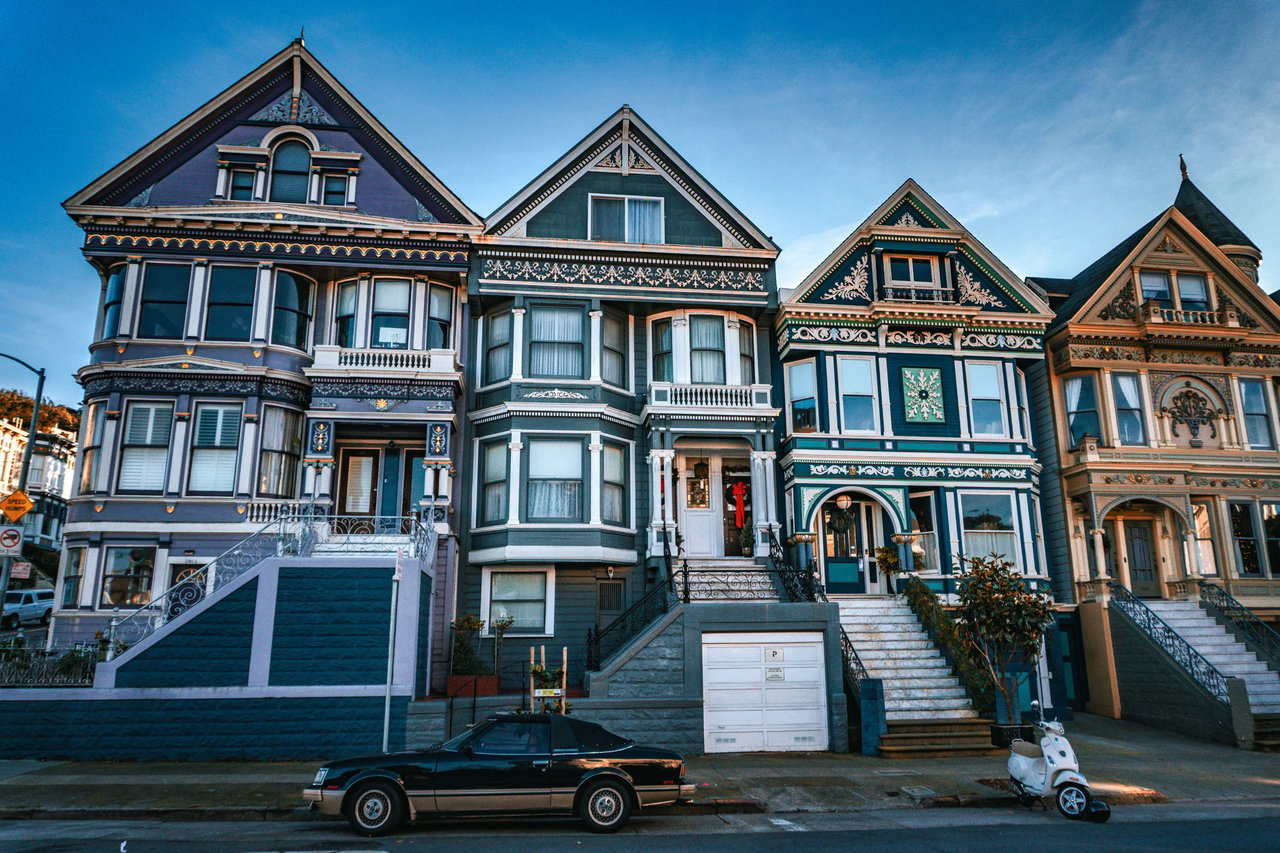
The smartest due diligence in San Francisco real estate starts a century before the listing.

Two extraordinary homes, the same money, and no obvious answer. The question I ask buyers is not which one they prefer. It is which one they will never get another sho… Read more

Price per square foot is the number most sellers glance at and almost no one reads correctly. It measures your address, not your house.
Maximize Your Real Estate Potential